
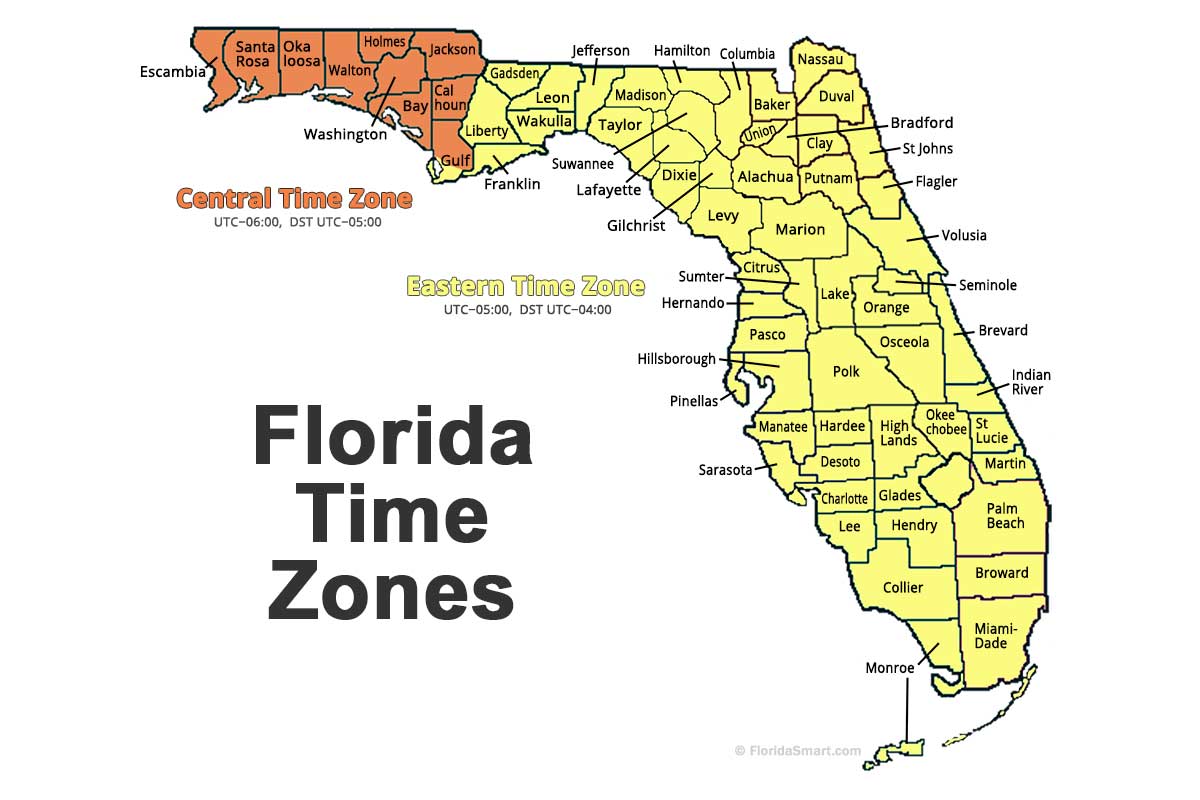
Understanding the current time in Orlando, Florida is a fundamental aspect of planning any trip to this vibrant Central Florida hub. Whether you’re coordinating flight arrivals, booking dining reservations, scheduling theme park visits, or simply trying to orient yourself in a new time zone, knowing the precise hour is crucial for a seamless experience. Orlando operates on Eastern Standard Time (EST) during the winter months and Eastern Daylight Time (EDT) during the summer, following the standard daylight saving time schedule observed across much of the United States. This means it is typically five hours behind Coordinated Universal Time (UTC-5) during EST and four hours behind UTC during EDT (UTC-4).

Navigating Time Zones for Seamless Travel
The temporal dynamics of Orlando are intrinsically linked to its position within the Eastern Time Zone. This zone, spanning a significant portion of the eastern United States, includes major metropolitan areas like New York City and Miami. For international travelers, understanding this time difference is key to combating jet lag and ensuring that connections and appointments are met without a hitch. For instance, a traveler flying from London, which observes Greenwich Mean Time (GMT) or GMT+1 during British Summer Time (BST), will find Orlando to be several hours behind. This temporal gap necessitates careful planning, especially when booking flights that involve overnight travel or when arranging early morning or late-night activities upon arrival.
Understanding Daylight Saving Time in Orlando
Daylight Saving Time (DST) plays a significant role in the perceived time in Orlando throughout a good portion of the year. The state of Florida, including Orlando, observes DST, meaning clocks are moved forward by one hour during the warmer months. This typically begins on the second Sunday in March and ends on the first Sunday in November. During DST, Orlando is on Eastern Daylight Time (EDT), which is UTC-4. Outside of these DST periods, it reverts to Eastern Standard Time (EST), which is UTC-5. This shift, while seemingly minor, can cause confusion for those not accustomed to it, particularly when coordinating with individuals or businesses in regions that do not observe DST or follow different schedules. The consistent observance of DST by the majority of the United States, however, simplifies coordination within the country.
Impact on International Travel Coordination
For visitors arriving from abroad, the time difference between their home country and Orlando is a primary consideration. When calculating arrival times, it’s essential to account for both the flight duration and the time zone differential. For example, a flight departing from Los Angeles, which is in the Pacific Time Zone (PT), will have a time difference of three hours with Orlando. This means that a flight leaving Los Angeles at 2:00 PM PST will technically be arriving in Orlando at 5:00 PM EST (or EDT, depending on the season), not including flight time. International flights require even more careful calculation, especially when crossing the Atlantic or Pacific. Understanding these temporal relationships ensures that airport transfers, hotel check-ins, and initial sightseeing plans are accurately synchronized.
Planning Your Orlando Itinerary Around Local Time
Knowing the current time in Orlando is not just about telling the hour; it’s about structuring your entire visit to maximize enjoyment and minimize logistical headaches. Orlando’s attractions, from the world-renowned theme parks to its burgeoning culinary scene, operate on specific schedules, and adhering to these is paramount.
Theme Park Operating Hours
The iconic theme parks of Orlando, such as Walt Disney World Resort (home to Magic Kingdom, Epcot, Disney’s Hollywood Studios, and Disney’s Animal Kingdom) and Universal Orlando Resort (featuring Universal Studios Florida and Universal’s Islands of Adventure), have meticulously set operating hours. These can vary seasonally, with longer hours during peak vacation periods and shorter hours during the off-season. Arriving at the park gates precisely at opening time, often referred to as “rope drop,” is a popular strategy to experience popular attractions with shorter wait times. Knowing the local time allows you to plan your commute to the parks accordingly, ensuring you don’t miss these crucial opening moments. Furthermore, evening spectaculars, parades, and fireworks displays are scheduled at specific times, and punctuality is key to experiencing them fully.
Dining Reservations and Experiences
Orlando’s culinary landscape is a significant draw, with an array of fine dining establishments, casual eateries, and themed restaurants. Securing reservations for popular restaurants, especially those within the theme parks or in entertainment districts like Universal CityWalk or Disney Springs, is often essential. When booking, remember that all times are local to Orlando. This means if you have a 7:00 PM reservation, you should aim to be at the restaurant at 7:00 PM Eastern Time. Overlooking this simple fact can lead to missed reservations and disappointment, particularly during busy periods when restaurants are fully booked. Timing is also critical for experiencing the unique dining events, such as character breakfasts or dinner shows, which have fixed start times that cannot be delayed.
Scheduling Excursions and Activities
Beyond the major theme parks, Orlando offers a wealth of other activities. These can include visits to attractions like ICON Park, exploring the natural beauty of the nearby Everglades on an airboat tour, or experiencing the thrills of a race car driving experience. Each of these excursions operates on a set schedule. For instance, an airboat tour might depart at 10:00 AM, requiring you to be at the departure point at least 30 minutes prior. Similarly, guided tours of historic sites or nature preserves have defined start times. Accurate timekeeping ensures you are present for the entirety of the activity and can fully immerse yourself without feeling rushed or missing out on key information or experiences.
Practical Tips for Time Management in Orlando
Effectively managing your time in Orlando involves more than just knowing the current hour; it requires a proactive approach to planning and a conscious awareness of temporal differences.
Utilizing Digital Tools and Apps
In today’s connected world, numerous digital tools can assist with time management during your Orlando vacation. Most smartphones automatically update to the local time when you connect to cellular service or Wi-Fi in a new location. However, it’s wise to double-check your phone’s time zone settings upon arrival. Many travel apps, including those provided by airlines, hotels, and theme park operators like My Disney Experience and the Universal Orlando Resort App, provide real-time updates on wait times, show schedules, and park hours, all synchronized to Orlando’s local time. Setting reminders for reservations or important events can also be a lifesaver, ensuring you are always where you need to be, precisely when you need to be there.
Accounting for Travel Time Within Orlando
While Orlando itself may seem geographically concentrated, the travel time between various attractions, resorts, and the airport can be substantial, especially during peak traffic hours. When factoring in your schedule, always add a buffer for transportation. This includes the time it takes to get from your hotel to a theme park, navigate within a large resort complex like Walt Disney World Resort, or travel to a restaurant in a different part of the city. Delays due to traffic congestion, parking availability, or waiting for shuttles can easily disrupt a tightly planned schedule. Building in extra time ensures you arrive at your destination relaxed and ready for your scheduled activity, rather than stressed and behind schedule.

Adapting to Local Rhythms
Embracing the local rhythms of Orlando can also enhance your experience. The city experiences a distinct daily cycle, with mornings often being the coolest part of the day and ideal for outdoor activities before the heat of the afternoon sets in. Evenings come alive with entertainment and dining. Understanding these patterns allows for more efficient planning. For example, scheduling strenuous outdoor activities in the early morning or late afternoon can be more comfortable than during the midday sun. Conversely, indoor attractions, shopping, or dining are often excellent choices for the hottest part of the day. By aligning your activities with the natural flow of the day in Orlando, you can optimize your comfort and enjoyment, making the most of every hour.
LifeOutOfTheBox is a participant in the Amazon Services LLC Associates Program, an affiliate advertising program designed to provide a means for sites to earn advertising fees by advertising and linking to Amazon.com. Amazon, the Amazon logo, AmazonSupply, and the AmazonSupply logo are trademarks of Amazon.com, Inc. or its affiliates. As an Amazon Associate we earn affiliate commissions from qualifying purchases.