
The prospect of high-speed rail in California has long been a subject of both excitement and debate. Promising to revolutionize travel across the Golden State, connecting major metropolitan areas with unprecedented speed and efficiency, the California High-Speed Rail project is one of the most ambitious infrastructure undertakings in the United States. However, the question on many minds, from seasoned travelers to daily commuters, is simple: when will it actually be finished? This inquiry delves into the complex realities of building a modern high-speed rail network, exploring the challenges, progress, and the ever-evolving timeline.
The Vision and the Reality
The dream of a high-speed rail system connecting Los Angeles to San Francisco began to materialize with the passage of Proposition 1A in 2008, which authorized $9.95 billion in bonds to fund the project. The initial vision was bold: a system capable of whisking passengers between the state’s two largest cities in under three hours, with further extensions planned to San Diego and Sacramento. This transformative transportation artery was intended to alleviate traffic congestion, reduce greenhouse gas emissions, and stimulate economic development throughout the state.
However, the path from vision to reality has been anything but smooth. The project has grappled with a litany of obstacles, including:
Funding Challenges
The initial bond funding proved insufficient for the vast scope of the project. Securing consistent and adequate funding has been a perpetual challenge, with federal grants fluctuating and state budgets facing competing priorities. The projected costs have escalated significantly over the years, leading to ongoing reevaluations of funding strategies and phased implementation. The reliance on a mix of state, federal, and private funding sources introduces layers of complexity and potential delays.
Political and Legal Hurdles
Political support has waxed and waned, with various administrations and legislative bodies scrutinizing the project’s budget, timeline, and overall viability. Lawsuits, primarily concerning environmental reviews and land acquisition, have also contributed to significant delays. Eminent domain battles and the acquisition of necessary rights-of-way are time-consuming and often contentious processes, especially in densely populated urban corridors.
Environmental Reviews and Permitting
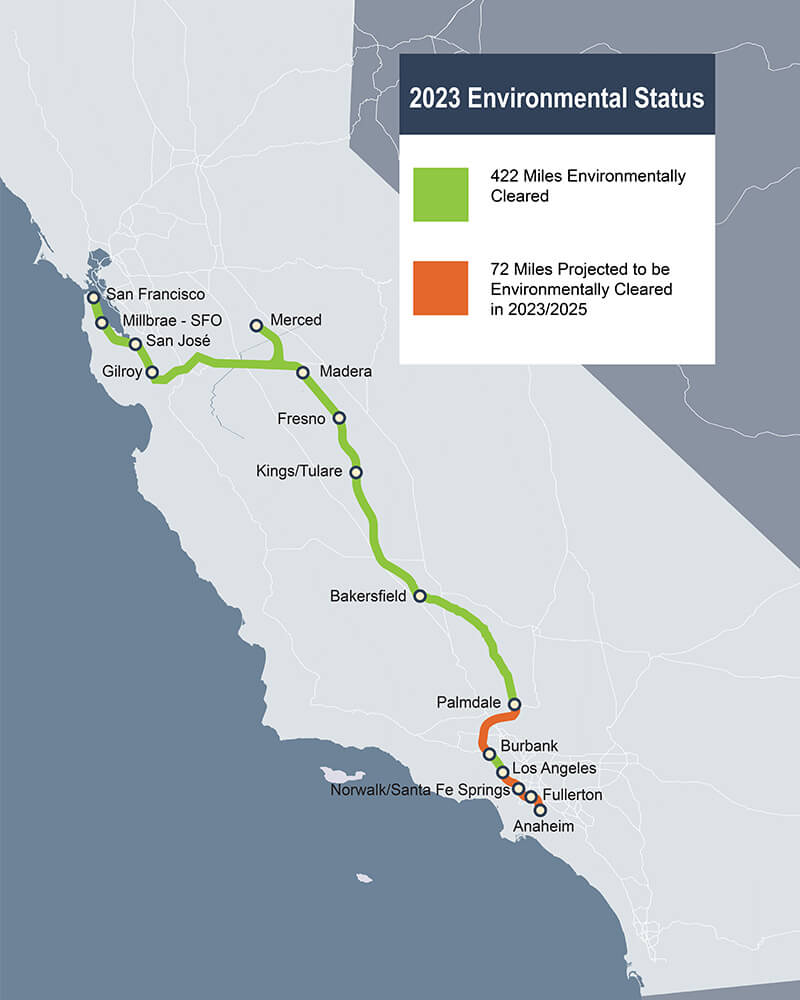
Obtaining environmental clearances for such a massive undertaking is a rigorous and protracted process. The California Environmental Quality Act (CEQA) mandates detailed impact assessments, and project designs must often be modified to mitigate potential environmental effects. Each segment of the rail line requires extensive environmental review, adding considerable time to the planning and construction phases.
Engineering and Construction Complexities
Building a high-speed rail line across diverse Californian terrain—from the fertile Central Valley to the challenging mountain passes and urban sprawls—presents immense engineering feats. This includes constructing elevated tracks, tunnels, bridges, and stations that meet the stringent safety and performance standards for high-speed rail operations. The complexity of integrating new infrastructure with existing transportation networks and urban environments further compounds these challenges.
Current Progress and Phased Approach
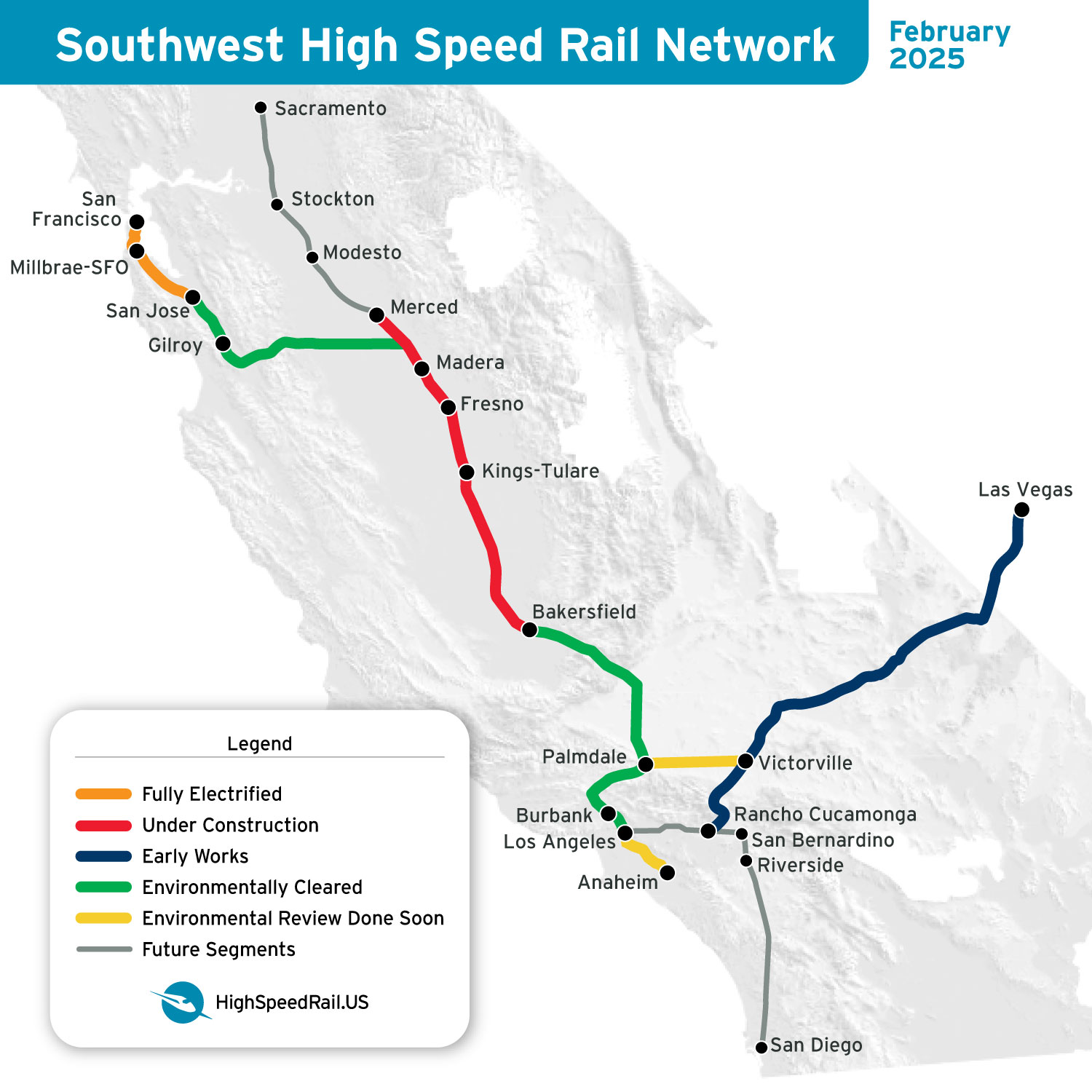
Despite the hurdles, significant progress has been made, particularly in the Central Valley. The California High-Speed Rail Authority (CHSRA) has adopted a phased approach, prioritizing the construction of an initial operating segment (IOS) that will connect Bakersfield to Merced. This 171-mile stretch is seen as the backbone of the future system and a crucial demonstration of the project’s viability.
The Central Valley Segment
Construction is actively underway on this initial segment. Workers are laying track, building bridges, and constructing stations. The CHSRA has been able to leverage federal funding and private partnerships to advance this core portion of the network. This segment is intended to showcase the technology and operational capabilities of the high-speed rail system, serving as a vital proof of concept for future expansions. The goal is to have this initial segment operational within the coming years, although exact dates are subject to ongoing adjustments.
Connecting to Major Hubs
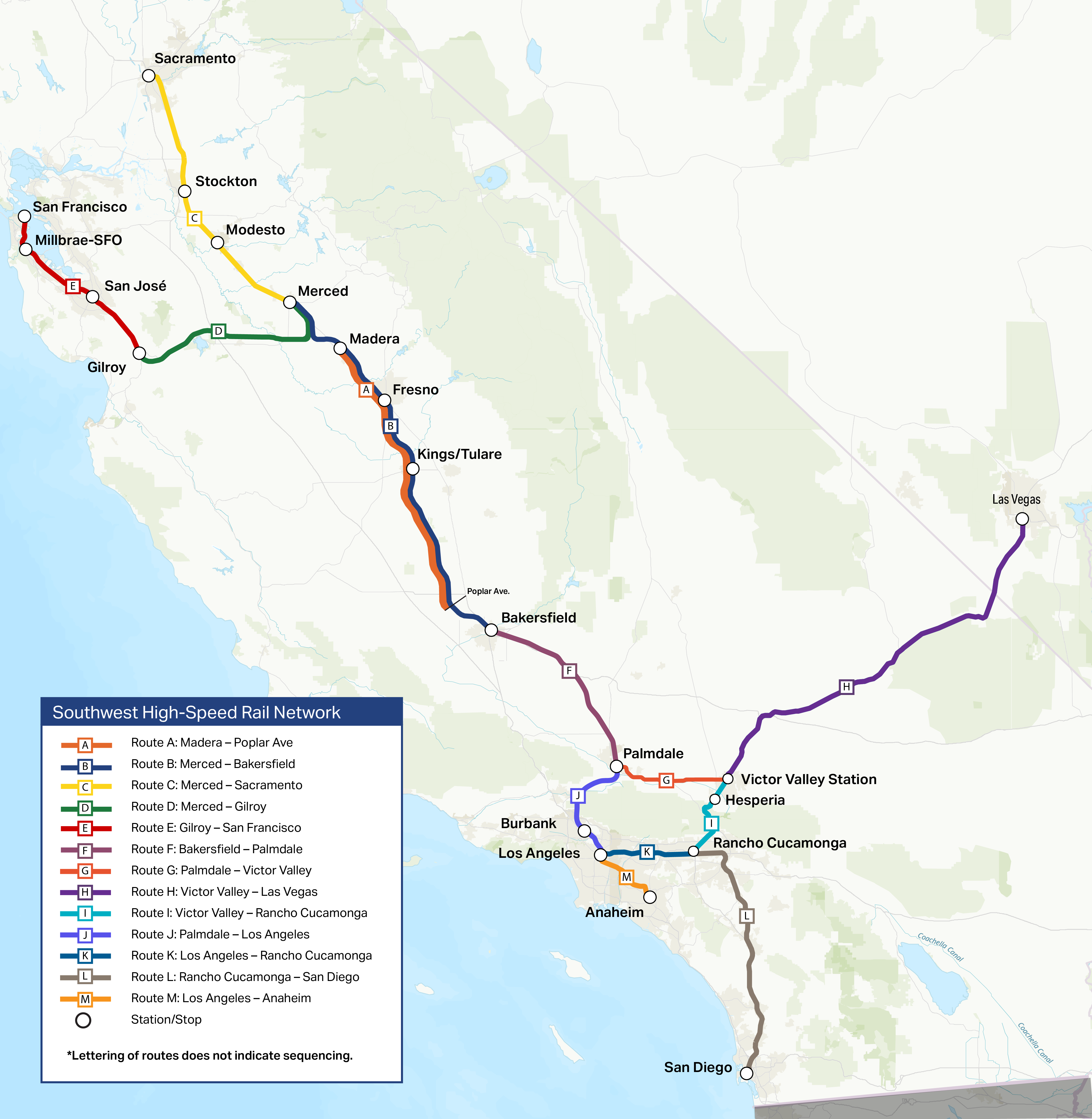
The long-term vision is to extend this initial segment north to San Jose and eventually to San Francisco, and south to Los Angeles and San Diego. Each of these extensions presents unique challenges. Connecting to the Bay Area requires navigating densely populated areas and existing infrastructure, while the Los Angeles to Anaheim segment involves integrating with the busy Southern California transportation network. The feasibility and timeline for these extensions are intrinsically linked to securing the necessary funding and completing extensive environmental and planning processes.
Revised Timelines and Future Outlook
Given the complexities, the original projected completion dates for the entire California High-Speed Rail system have been significantly revised. The CHSRA regularly publishes progress reports and updated timelines, which are subject to change based on funding availability, construction progress, and unforeseen circumstances.
The “Bookend” Projects
The CHSRA has emphasized a strategy that involves completing the Central Valley segment first, while simultaneously working on “bookend” projects in Northern and Southern California. These bookend projects aim to connect the Central Valley segment to major population centers. For instance, the Pacheco Pass tunnel project aims to connect the Central Valley to the Bay Area, and planning is ongoing for the routes that will link to Los Angeles. The completion of these bookends is critical for the system to achieve its full potential as a true statewide high-speed transit solution.
Realistic Projections
Industry experts and the CHSRA itself acknowledge that a fully operational, statewide high-speed rail network connecting all major cities is still decades away. While the Central Valley segment is expected to begin operations in the mid-to-late 2020s, connecting it to the major population hubs of Los Angeles and San Francisco will push the completion of these crucial links into the 2030s and potentially beyond. The full build-out, encompassing the entire envisioned network, is realistically looking at completion in the 2040s or even later.
The Impact on Travel and Tourism
When completed, the California High-Speed Rail system promises to be a game-changer for travel and tourism in the state.
Transforming Intercity Travel
Imagine departing from San Francisco and arriving in Los Angeles in a fraction of the time it currently takes by car or even plane, without the hassle of airport security and travel to and from airports. This speed and convenience could fundamentally alter how people choose to travel between California’s major cities, making day trips or weekend getaways between regions far more feasible.
Economic and Environmental Benefits
Beyond individual travel convenience, the finished high-speed rail system is expected to yield substantial economic and environmental benefits. It could reduce reliance on air travel and personal vehicles, significantly lowering carbon emissions and contributing to California’s climate goals. Furthermore, the construction and operation of the rail line are projected to create thousands of jobs and stimulate economic activity in the communities it serves. For tourists, it opens up possibilities for exploring more of California within a single trip, connecting iconic destinations and allowing for a more immersive experience of the state’s diverse landscapes and cultures. From the vineyards of the Central Coast to the bustling metropolises and the natural beauty of national parks accessible via connecting services, high-speed rail could make touring the Golden State easier and more enjoyable than ever before.
The journey of California High-Speed Rail is a testament to the ambition and complexity of mega-infrastructure projects. While a definitive finish date for the entire network remains elusive, the ongoing progress, particularly in the Central Valley, offers a tangible glimpse into the future of travel in California. As funding solidifies and construction advances, the dream of swift, sustainable, and seamless intercity travel inches closer to becoming a reality, promising to reshape how visitors and residents alike experience the Golden State.
LifeOutOfTheBox is a participant in the Amazon Services LLC Associates Program, an affiliate advertising program designed to provide a means for sites to earn advertising fees by advertising and linking to Amazon.com. Amazon, the Amazon logo, AmazonSupply, and the AmazonSupply logo are trademarks of Amazon.com, Inc. or its affiliates. As an Amazon Associate we earn affiliate commissions from qualifying purchases.