
The allure of Port St. Lucie, Florida, often conjures images of sun-drenched beaches, verdant golf courses, and a relaxed, tropical lifestyle. However, understanding the nuances of its climate is paramount for anyone planning a visit, a move, or simply to appreciate the rhythm of this vibrant city on the Treasure Coast. While generally characterized by warm temperatures and ample sunshine year-round, the weather in Port St. Lucie exhibits distinct seasonal patterns that influence everything from outdoor activities to the local ecosystem. This comprehensive exploration delves into the typical weather conditions, seasonal variations, and key meteorological factors that define the climate of Port St. Lucie, offering valuable insights for residents and visitors alike.
Understanding Port St. Lucie’s Climate Zone
Port St. Lucie resides within a humid subtropical climate zone (Köppen climate classification: Cfa). This designation signifies a region that experiences hot, humid summers and mild to warm winters, with rainfall distributed relatively evenly throughout the year, though with a distinct wet season. The city’s coastal proximity plays a significant role, moderating temperature extremes and contributing to the high humidity levels, particularly during the summer months. The Atlantic Ocean acts as a thermal buffer, preventing the drastic temperature drops sometimes experienced in inland areas of the southeastern United States.
Temperature Patterns
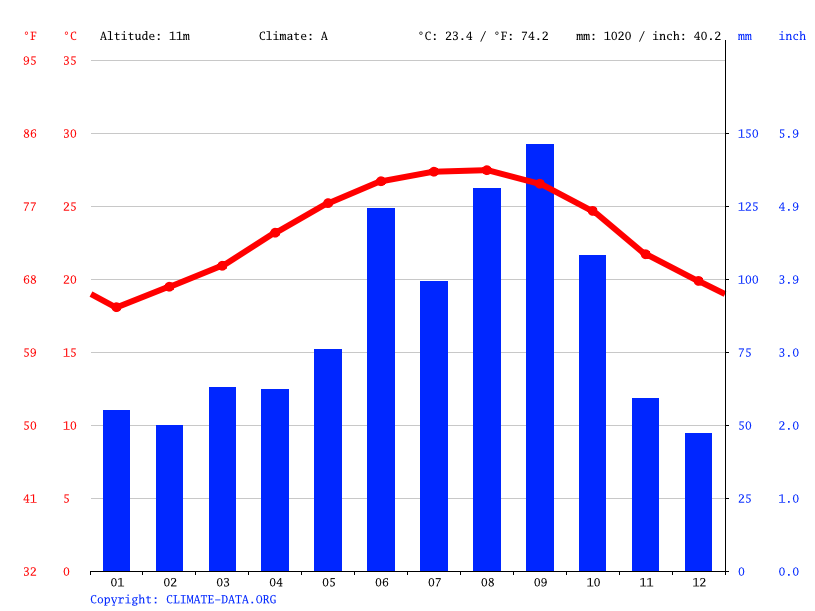
The average annual temperature in Port St. Lucie hovers around 74°F (23.3°C). However, this average masks the considerable seasonal variations.
Summer (June – August)
Summers in Port St. Lucie are undeniably hot and humid. Daily temperatures frequently soar into the upper 80s and low 90s Fahrenheit (around 31-34°C), with heat index values often pushing into the triple digits due to the high humidity. The ocean breeze offers some respite, but outdoor activities during the peak afternoon hours can be challenging without proper hydration and sun protection. Nights offer little relief, with lows typically remaining in the mid-to-upper 70s Fahrenheit (around 24-26°C). Thunderstorms are a common occurrence during the summer, often developing in the late afternoon or early evening. These storms can bring brief, intense downpours, lightning, and gusty winds, but they typically dissipate as quickly as they form.
Autumn (September – November)
As summer transitions into autumn, the weather in Port St. Lucie begins to mellow. September can still feel very summery, with lingering heat and humidity. However, by October and November, temperatures become more pleasant. Daytime highs gradually decrease, typically ranging from the mid-70s to low 80s Fahrenheit (around 24-28°C) in October, and settling into the 70s Fahrenheit (around 21-25°C) in November. Humidity levels also tend to drop, making outdoor activities more comfortable. This period often offers some of the most idyllic weather in the city, with clear skies and gentle breezes.
Winter (December – February)
Port St. Lucie experiences mild and generally sunny winters. It is rare for the city to experience freezing temperatures. Daytime highs during the winter months typically range from the mid-60s to low 70s Fahrenheit (around 18-22°C). Nights can be cooler, with lows often dipping into the 40s and 50s Fahrenheit (around 4-15°C), occasionally reaching the upper 30s Fahrenheit (around 3-4°C) on the chilliest nights. These cooler temperatures are usually short-lived, and the sun quickly warms the region. While less frequent than in summer, occasional cold fronts can bring periods of cooler weather and rain. Snow is virtually nonexistent in Port St. Lucie.
Spring (March – May)
Spring in Port St. Lucie is characterized by a steady warming trend and decreasing humidity. March still retains some of the mild winter air, with highs in the low 70s Fahrenheit (around 22°C). As the season progresses, temperatures climb into the 80s Fahrenheit (around 27-32°C) by April and May. Humidity levels begin to rise again, foreshadowing the onset of summer. This season is also a popular time for outdoor activities, with pleasant temperatures and a good amount of sunshine, though the chances of afternoon showers begin to increase towards the end of spring.
Rainfall and Humidity Dynamics
Rainfall in Port St. Lucie is significant, averaging around 55-60 inches (1397-1524 mm) annually. The distribution of this rainfall is not uniform throughout the year, with a pronounced wet season and a drier period.
Wet Season (June – September)
The summer months constitute the wet season, driven by the warm, moist air masses from the Gulf of Mexico and the Atlantic Ocean. This is when the majority of the annual rainfall occurs, primarily in the form of thunderstorms. These storms are often localized and can bring torrential downpours, but they are usually short-lived. The high humidity during this period can make the heat feel more oppressive.
Dry Season (November – April)
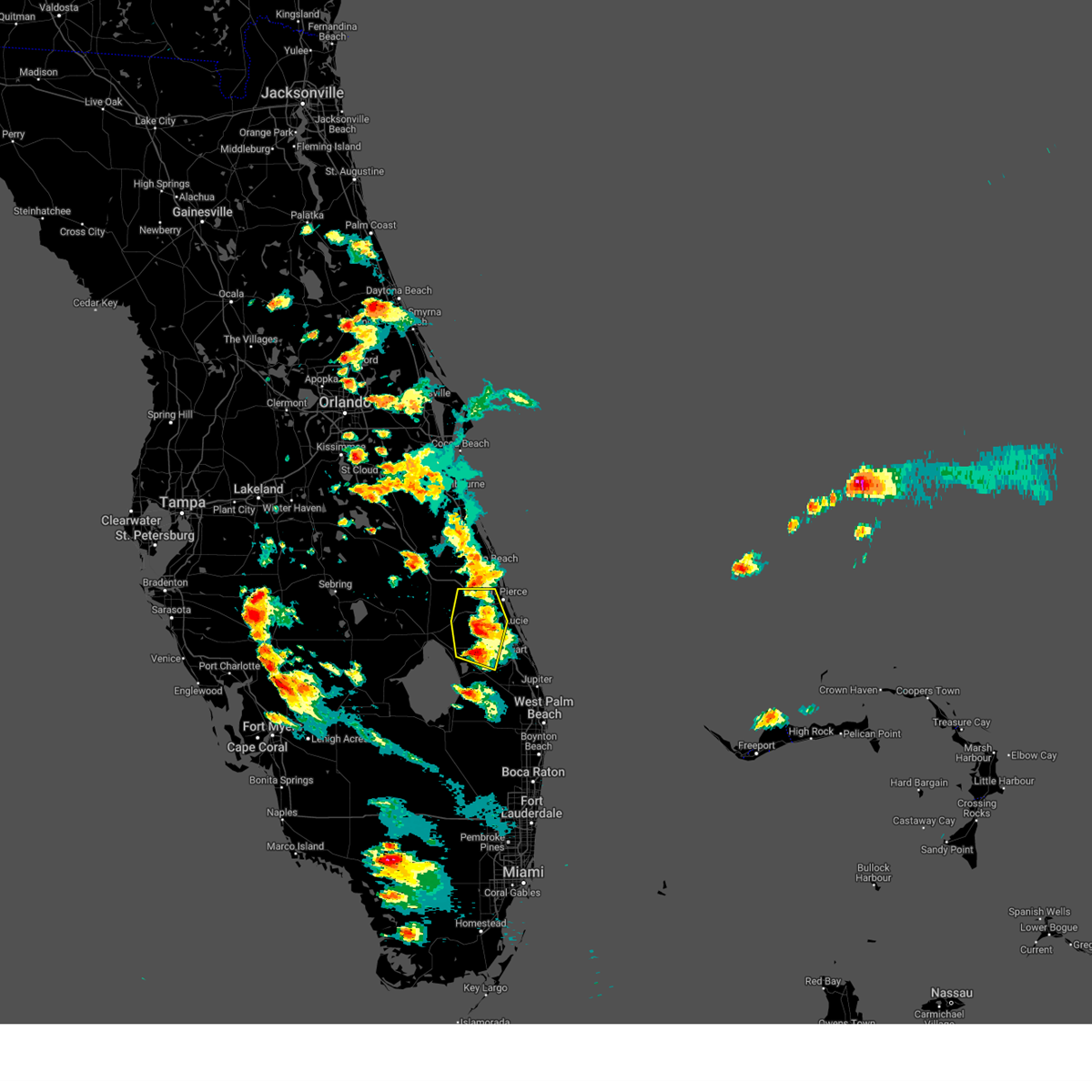
The winter and spring months generally constitute the drier period. While occasional rain events can occur, especially with the passage of cold fronts, the overall volume of precipitation is significantly lower than during the summer. This drier period often brings clearer skies and more comfortable atmospheric conditions.
Humidity Levels
Humidity is a defining characteristic of the Port St. Lucie climate, especially during the summer. Average relative humidity can range from 60-70% in the cooler months to 70-80% or higher during the hot summer days. This high humidity contributes to the perception of heat and can influence outdoor comfort levels.
Severe Weather and Natural Phenomena
While Port St. Lucie enjoys a generally pleasant climate, it is not immune to severe weather events that are characteristic of Florida’s subtropical location.
Hurricanes and Tropical Storms
As a coastal city, Port St. Lucie is located in an area prone to hurricanes and tropical storms. The Atlantic hurricane season officially runs from June 1 to November 30, with the peak activity typically occurring from August through October. While not every season brings a direct hit, the potential for strong winds, heavy rainfall, storm surge, and associated flooding is a significant consideration for residents and requires preparedness. The city has implemented various measures to mitigate the impact of these storms, including building codes and evacuation plans.
Thunderstorms
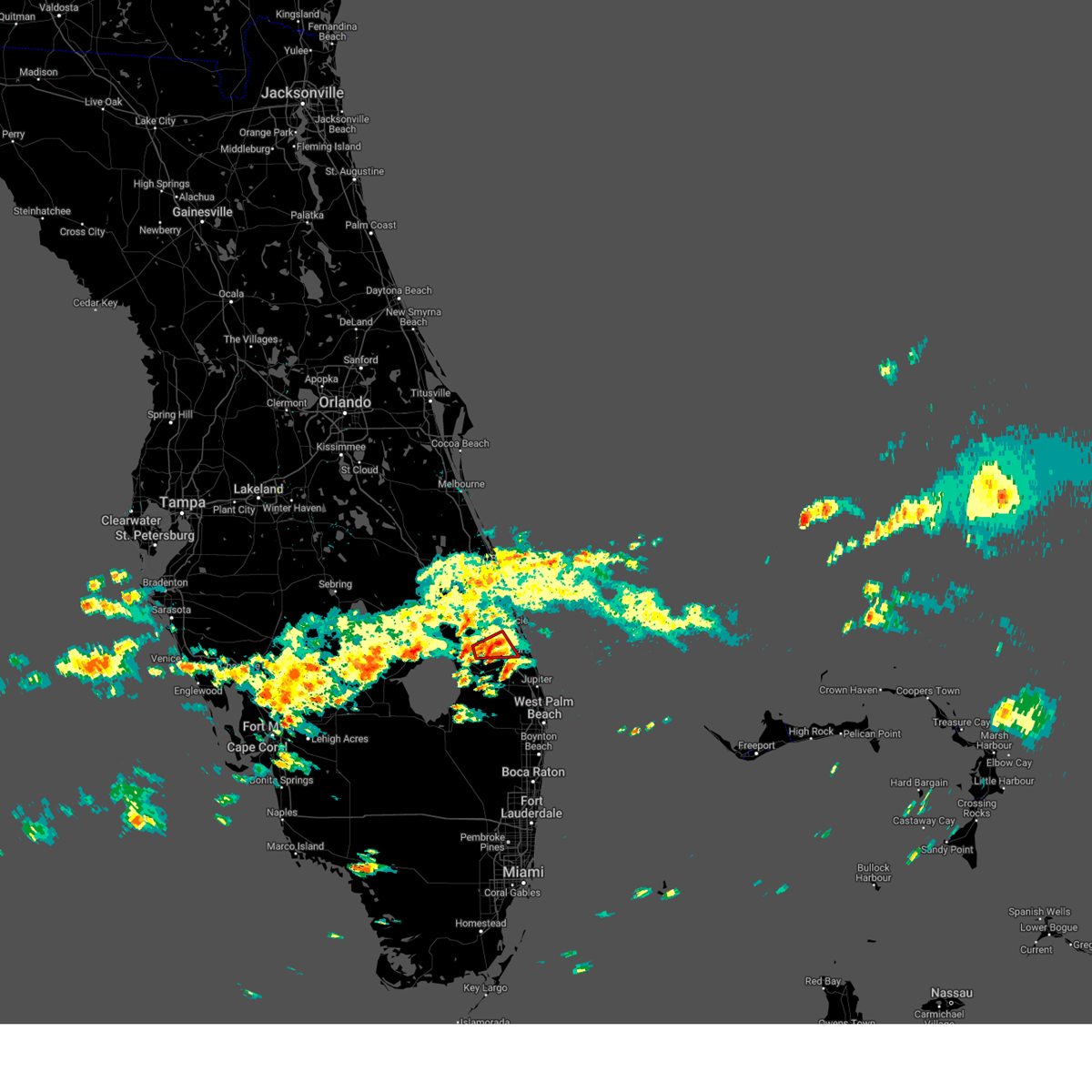
As previously mentioned, thunderstorms are a common occurrence, particularly during the summer months. These storms can be accompanied by lightning, heavy rain, and strong winds, and can sometimes produce waterspouts or even tornadoes, though the latter are relatively rare.
Rip Currents
For those visiting the beaches along the Atlantic Ocean, understanding the risk of rip currents is essential. These powerful channels of water flowing away from the shore can be dangerous, even for strong swimmers. Beach patrols and warning flags are in place to alert the public to hazardous conditions.
Impact of Weather on Activities and Lifestyle
The predictable patterns of weather in Port St. Lucie directly influence the lifestyle and activities available to its residents and visitors.
Outdoor Recreation
The warm climate makes outdoor recreation a year-round pursuit. Golf enthusiasts can enjoy the numerous courses, though they may opt for early morning or late afternoon rounds during the peak summer heat. Boating and fishing on the St. Lucie River or the nearby Indian River Lagoon are popular, with the calmer waters of the spring and fall often being ideal. Beachgoers can frequent the shores of Fort Pierce or Stuart, though they will need to contend with the summer humidity and potential for afternoon storms.
Agriculture and Nature
The climate supports a rich diversity of plant and animal life. The agricultural sector benefits from the long growing season, with various fruits and vegetables thriving in the warm temperatures. The natural landscapes, including mangrove forests and coastal scrub, are shaped by the prevailing weather patterns, with rainfall and temperature playing crucial roles in their health and sustainability.
Daily Life and Planning
For residents, understanding the weather is a daily necessity. Planning commutes, outdoor chores, social gatherings, and even wardrobe choices are all influenced by the forecast. The possibility of sudden afternoon downpours in the summer, or the cooler, drier air of winter, dictates the rhythm of daily life. For tourists, a good understanding of the weather is key to maximizing their enjoyment of all that Port St. Lucie has to offer, ensuring they pack appropriately and plan activities that align with the prevailing conditions. Whether seeking the warmth of summer or the mild comfort of winter, the weather in Port St. Lucie is an integral part of its charm and character.
LifeOutOfTheBox is a participant in the Amazon Services LLC Associates Program, an affiliate advertising program designed to provide a means for sites to earn advertising fees by advertising and linking to Amazon.com. Amazon, the Amazon logo, AmazonSupply, and the AmazonSupply logo are trademarks of Amazon.com, Inc. or its affiliates. As an Amazon Associate we earn affiliate commissions from qualifying purchases.