
For many, the question of distance between two vibrant Texas cities is more than just a geographical inquiry; it’s a planning essential for weekend getaways, business trips, or simply exploring the diverse landscapes the Lone Star State has to offer. Longview, situated in East Texas, and Dallas, a major metropolitan hub in North Texas, are separated by a manageable yet significant distance that influences travel choices and the overall experience of moving between them. Understanding this separation is key to optimizing your journey, whether you prefer the open road, the efficiency of air travel, or the comfort of a train. This exploration delves into the various facets of the distance between Longview, Texas and Dallas, Texas, providing insights for travelers, business professionals, and anyone looking to bridge the gap between these two dynamic locations.

Navigating the Road: Driving Distance and Time
The most common method of travel between Longview and Dallas is undoubtedly by car. The direct driving distance offers a quintessential Texas road trip experience, allowing travelers to witness the changing scenery and make spontaneous stops. The primary route typically involves Interstate 20 (I-20), a major east-west freeway that conveniently connects the two cities.
The Direct Route and Estimated Travel Time
The driving distance between Longview, Texas and Dallas, Texas is approximately 130 to 140 miles, depending on the exact starting and ending points within each city and the specific roads taken. This distance translates to an estimated driving time of roughly 2 to 2.5 hours. However, this estimate is contingent on several factors that can significantly influence the actual travel duration.
Factors Affecting Driving Time
- Traffic Conditions: Dallas is a bustling metropolis, and its surrounding highways, including I-20, can experience heavy congestion, especially during peak commuting hours (typically 7-9 AM and 4-6 PM on weekdays) and on weekends. Delays can easily add 30 minutes to over an hour to the journey.
- Road Construction: As with any major thoroughfare, I-20 is subject to ongoing maintenance and construction projects. These can lead to lane closures, reduced speed limits, and significant traffic slowdowns. It is always advisable to check local traffic reports or navigation apps for real-time updates before embarking on your trip.
- Weather: While East Texas generally experiences milder weather than some other parts of the country, severe thunderstorms, heavy rain, or even occasional icy conditions during winter can impact driving speeds and safety, potentially increasing travel time.
- Stops and Breaks: The 2-to-2.5-hour drive might be completed without any stops. However, many travelers opt to break up the journey. Popular stopping points include towns along I-20 such as Terrell or Forney, offering opportunities for fuel, refreshments, or a brief respite. These planned stops will, of course, extend the overall travel duration.
Scenic Alternatives and Detours
While I-20 is the most direct and efficient route, adventurous travelers or those seeking a more picturesque journey might consider alternative routes. These can involve utilizing state highways and county roads, often passing through smaller towns and rural landscapes. For instance, one might explore options that skirt the edges of the Piney Woods region or weave through charming communities that offer a glimpse into authentic East Texas life. These detours will invariably increase the mileage and travel time but can provide a richer, more immersive travel experience, revealing hidden gems and local culture not visible from the interstate. However, it is crucial to plan these routes meticulously, as they may involve less predictable road conditions and fewer services.
The Skies and Rails: Air and Rail Travel Options
For those prioritizing speed or looking to avoid the potential challenges of road travel, air and rail options present viable alternatives, though they come with their own set of considerations.
Air Travel: A Quick but Indirect Route
Direct commercial flights between Longview and Dallas are not typically available. Longview Municipal Airport (GGG) offers limited commercial service, often connecting to larger hubs. To reach Dallas by air from Longview, one would usually need to fly from a larger regional airport like Tyler Pounds Regional Airport (TYR) to one of Dallas’s major airports, such as Dallas/Fort Worth International Airport (DFW) or Dallas Love Field Airport.
The Journey from Airport to Destination
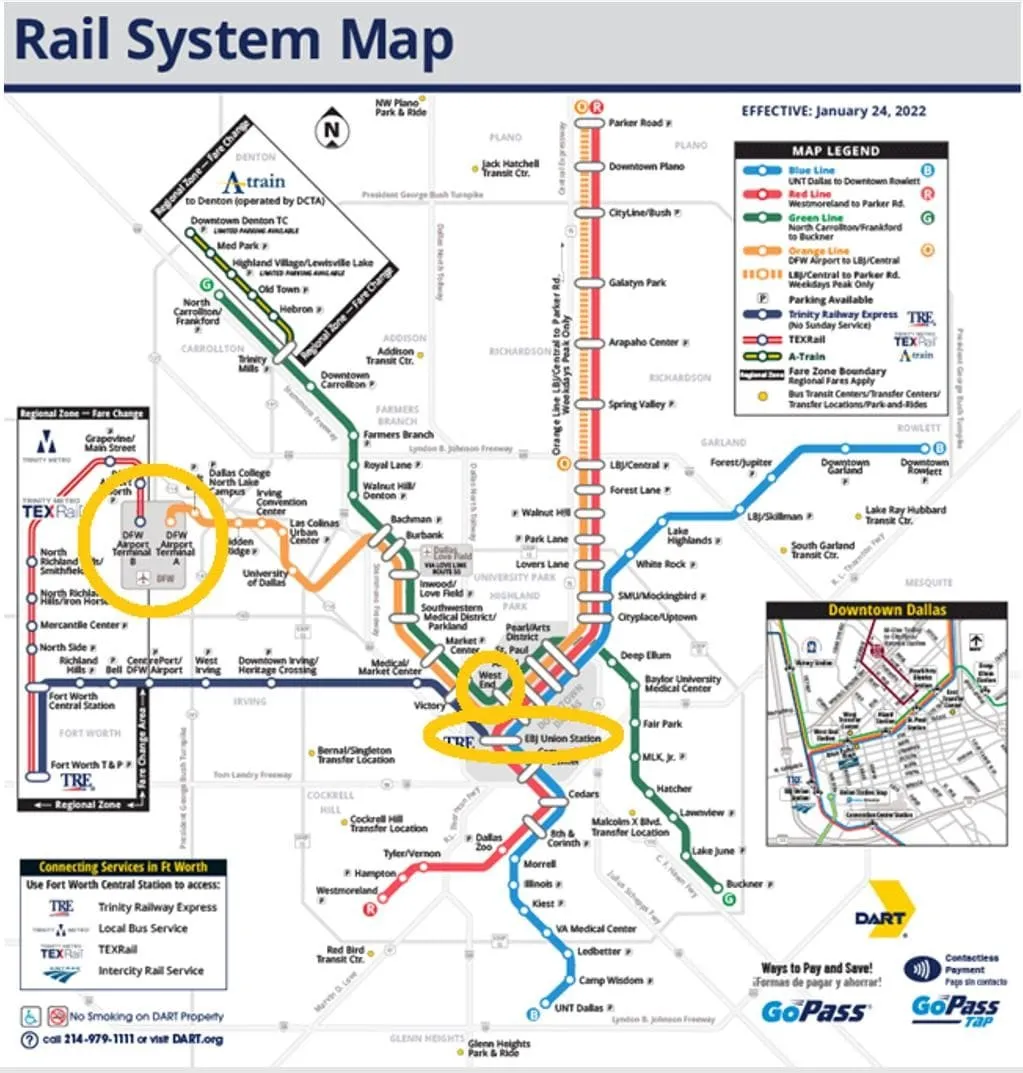
The flight itself might be short, potentially under an hour. However, the overall travel time must account for:
- Travel to the Departure Airport: Driving from Longview to Tyler Pounds Regional Airport adds another layer of travel time.
- Airport Procedures: Arriving at least 1.5 to 2 hours before a domestic flight for check-in, security screening, and boarding.
- Flight Time: The actual duration of the flight.
- Deplaning and Baggage Claim: Time spent upon arrival at the Dallas airport.
- Travel from Arrival Airport to Final Destination: Navigating Dallas traffic from DFW or Love Field to your intended location.
Considering these elements, while air travel bypasses the road distance, the total door-to-door time might not be significantly shorter than driving, especially for shorter trips, and often comes at a higher cost.
Rail Travel: A Relaxed Alternative
Amtrak offers passenger rail service that connects various parts of Texas. While there isn’t a direct Amtrak route that runs precisely between Longview and Dallas without transfers, passengers can utilize services that might involve a connection or travel to a nearby station. The closest major Amtrak station to Longview that services routes towards Dallas is often in stations like Marshall or further afield.
The Amtrak Experience
Traveling by train offers a unique perspective, allowing passengers to relax, work, or enjoy the scenery without the stress of driving. However, train schedules can be less frequent than driving or flying, and the travel time can be considerably longer than by car, often exceeding 3 to 4 hours for similar distances when factoring in potential stops and the nature of rail travel. It provides a more leisurely pace and a comfortable, spacious environment, making it an appealing option for those who are not pressed for time and appreciate the journey as much as the destination.
Planning Your Trip: Considerations for Travelers
The decision of how to travel between Longview, Texas and Dallas, Texas ultimately hinges on individual priorities. Whether you’re planning a day trip, a weekend excursion, or a business engagement, understanding the nuances of each travel option is paramount.
Choosing the Right Mode of Transport
- For Convenience and Flexibility: Driving is often the most practical choice for short trips, family vacations, or when needing to transport significant luggage. It allows for spontaneous stops and direct travel to your final destination.
- For Speed (if time is critical): While direct flights are unavailable, strategically using regional airports for air travel might offer a faster overall transit time for those willing to manage the airport procedures and ground transportation.
- For a Relaxed Journey: Rail travel is ideal for those who prefer to unwind, avoid the stress of traffic, and enjoy a more scenic and comfortable mode of transport, even if it means a longer journey time.
Accommodation and Local Attractions
Upon arrival in either Longview or Dallas, travelers will find a wide array of accommodation options and attractions to explore. Dallas boasts world-class hotels, diverse dining experiences, and cultural institutions like the Dallas Museum of Art and the Perot Museum of Nature and Science. Longview offers its own unique charm, with attractions such as the Longview Museum of Fine Arts and opportunities to explore the natural beauty of East Texas. Understanding the distance is the first step in effectively planning your exploration of what both these distinct Texas cities have to offer.

Practical Tips for Your Journey
Regardless of the chosen mode of transport, a few practical tips can enhance your travel experience between Longview and Dallas. For drivers, utilizing GPS navigation with real-time traffic updates is essential. For air and rail travelers, booking tickets in advance can often secure better prices and ensure availability. Familiarizing yourself with the public transportation options or ride-sharing services available in Dallas can also streamline your arrival and movements within the city. Ultimately, the distance between Longview, Texas and Dallas, Texas is a bridgeable one, offering a variety of ways to connect these two significant Texan locales.
LifeOutOfTheBox is a participant in the Amazon Services LLC Associates Program, an affiliate advertising program designed to provide a means for sites to earn advertising fees by advertising and linking to Amazon.com. Amazon, the Amazon logo, AmazonSupply, and the AmazonSupply logo are trademarks of Amazon.com, Inc. or its affiliates. As an Amazon Associate we earn affiliate commissions from qualifying purchases.