
The decision to pursue higher education is a significant lifestyle choice, impacting not just your academic future but also your financial planning, daily routines, and long-term aspirations. For those considering a move to the Heart of Dixie, understanding the cost of tuition in Alabama is paramount to crafting a sustainable and fulfilling student lifestyle. This isn’t merely a calculation of fees; it’s an exploration of how an educational investment shapes your immediate lifestyle and opens doors to future possibilities. Alabama offers a diverse landscape of public and private institutions, each with its own tuition structure, influencing the financial commitment required and, consequently, the lifestyle choices available to students and their families. Delving into these costs is the first step toward aligning your educational path with your desired way of living.

Understanding the Investment: Tuition as a Lifestyle Decision
When evaluating tuition in Alabama, it’s crucial to view it as a foundational element of your lifestyle budget. The figures vary considerably based on several factors, all of which directly influence the financial flexibility and quality of life you can maintain as a student. This initial investment dictates not only the academic institution you can attend but also the resources you’ll have for housing, social activities, and personal development, forming the bedrock of your student lifestyle.
In-State vs. Out-of-State: A Foundational Lifestyle Choice
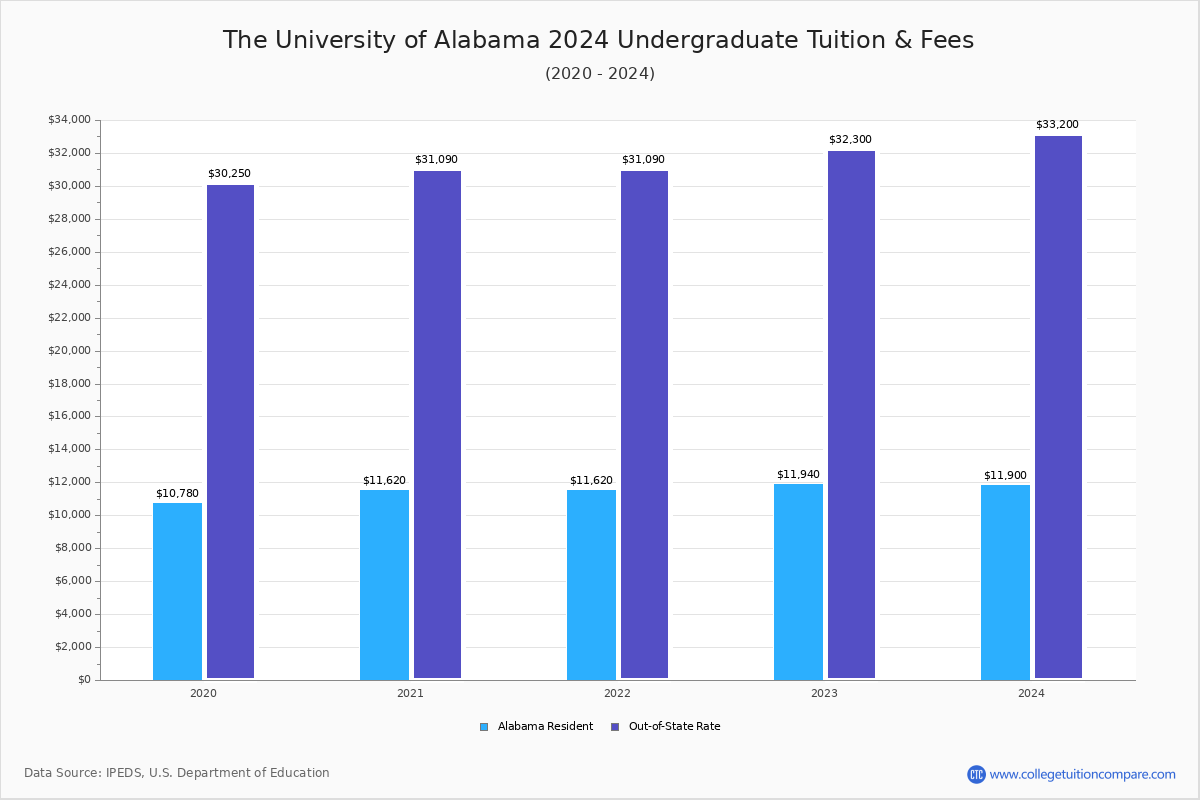
One of the most significant determinants of tuition cost in Alabama is residency status. For in-state residents, tuition at public universities is substantially lower, reflecting a state subsidy for its citizens. This lower cost often translates into a more relaxed financial lifestyle, allowing for greater discretionary spending on experiences, better housing options, or reduced reliance on student loans. For example, a student attending the University of Alabama in Tuscaloosa might pay around $12,000 to $14,000 per year for tuition and fees as an in-state student. Similarly, Auburn University in Auburn would present a comparable cost, perhaps in the $12,500 to $14,500 range for residents. This pricing structure inherently encourages residents to stay within the state for their education, fostering local talent and contributing to the regional economy.
For out-of-state students, the tuition can escalate dramatically, often doubling or even tripling. This higher cost necessitates a more stringent financial plan and can significantly impact the lifestyle choices available. An out-of-state student at the University of Alabama or Auburn University might face tuition and fees in the range of $32,000 to $37,000 annually. This substantial difference means that an out-of-state student must weigh the academic benefits and unique lifestyle experiences of studying in Alabama against the considerable financial outlay, potentially requiring greater reliance on scholarships, loans, or family contributions. The decision to pursue an out-of-state education often reflects a strong desire for a specific academic program or a particular campus lifestyle that outweighs the financial implications.
Public vs. Private Institutions: Different Paths, Different Lifestyles
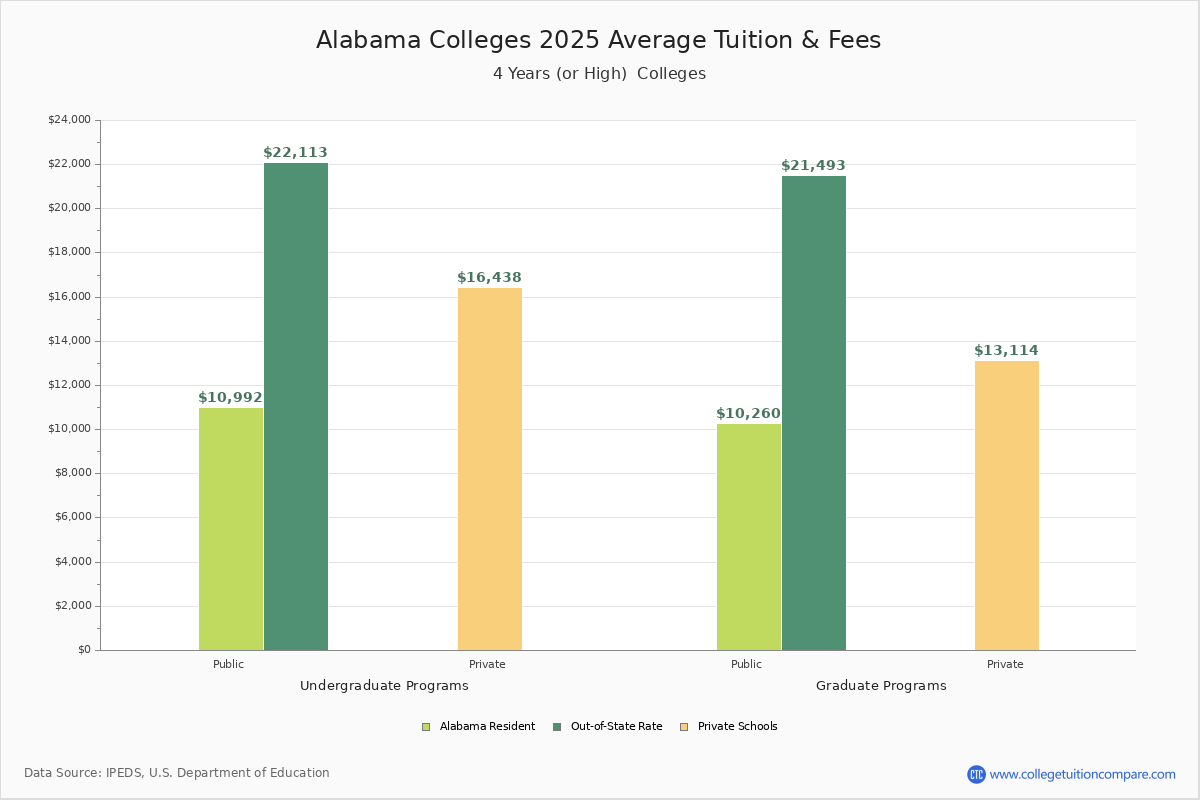
Alabama’s educational landscape also includes a variety of private institutions, which operate independently of state funding and thus have their own tuition scales. Generally, private universities tend to have higher sticker prices for tuition than public ones, regardless of residency. This can lead to a perceived luxury lifestyle associated with these institutions, often justified by smaller class sizes, specialized programs, and unique campus cultures.
For instance, while a public university like the University of Alabama at Birmingham (UAB) might charge in-state tuition around $11,000 to $12,000 and out-of-state tuition around $27,000 to $30,000, a private university in Alabama could have tuition costs ranging from $25,000 to over $45,000 per year for all students, irrespective of residency. Examples of private institutions include Samford University in Birmingham, where tuition might be in the $35,000 range, or Spring Hill College in Mobile, with similar figures. The higher tuition at private schools often covers a more personalized educational experience, access to unique facilities, and a distinct campus community that appeals to a particular lifestyle preference. For many, the investment in a private education is seen as a direct investment in a specific academic and social lifestyle.
Navigating Financial Aid: A Key to Accessible Lifestyles
Understanding tuition costs is only one side of the coin; navigating financial aid is equally critical to making an Alabama education an accessible lifestyle choice. Financial assistance can significantly reduce the out-of-pocket expenses, thereby expanding the lifestyle possibilities for students who might otherwise find the costs prohibitive. From merit-based scholarships to need-based grants and work-study programs, various avenues exist to help students manage their educational investment and maintain a desired quality of life.
Scholarships and Grants: Funding Your Desired Lifestyle
Scholarships and grants are forms of “gift aid” that do not need to be repaid, making them the most desirable way to offset tuition costs and enhance a student’s lifestyle budget. Alabama universities, like those across the nation, offer a wide array of scholarships based on academic merit, extracurricular achievements, specific talents (athletic, artistic), or demonstrated leadership. For instance, the University of Alabama is well-known for offering generous merit scholarships to high-achieving out-of-state students, effectively bringing their net tuition closer to in-state rates and making an Alabama lifestyle more attainable.
Beyond institutional scholarships, students can pursue external grants and scholarships from private organizations, foundations, and community groups. These funds can be transformative, allowing students to reduce their reliance on loans, invest in study-abroad experiences, or simply enjoy a less financially stressed daily lifestyle. The availability of such non-repayable aid is a major factor in shaping the long-term financial health and overall lifestyle of a student, minimizing post-graduation debt burdens.
Loans and Work-Study: Managing Your Future Lifestyle
When scholarships and grants don’t cover the full cost of tuition and living expenses, student loans often become a necessary part of the financial aid package. While loans require repayment, they enable students to access education and the future lifestyle benefits it provides. Federal student loans typically offer more favorable terms, such as fixed interest rates and income-driven repayment plans, which can make managing post-graduation debt more manageable. Private loans, while available, generally come with higher interest rates and less flexible repayment options, potentially impacting a graduate’s financial lifestyle more significantly.
Work-study programs offer another avenue for students to earn money to cover expenses while gaining valuable professional experience. These programs provide part-time jobs, often on campus, allowing students to balance their academic responsibilities with work. Earning a paycheck through work-study contributes directly to a student’s immediate lifestyle, providing funds for personal expenses, books, or leisure activities without accumulating additional debt. It teaches budgeting skills and professional responsibility, crucial elements for a successful adult lifestyle.
Cost of Living and Student Lifestyle in Alabama
Beyond tuition, the overall cost of living plays a crucial role in defining the student lifestyle in Alabama. Even with affordable tuition, high living expenses can strain a budget. Fortunately, Alabama generally boasts a lower cost of living compared to national averages, particularly in areas like housing, utilities, and transportation. This affordability can significantly enhance a student’s quality of life, allowing for more disposable income or reducing the need for extensive work hours outside of studies.
Housing and Daily Expenses: Beyond Tuition Costs
Housing is typically the largest expense after tuition, and in Alabama, it’s generally more affordable than in many other states. On-campus housing costs can range from $6,000 to $10,000 per year, depending on the university and dormitory type. Off-campus options, particularly in college towns like Tuscaloosa, Auburn, or Florence (near the University of North Alabama), often present even more budget-friendly alternatives, especially when shared with roommates. Rent for a single apartment can range from $600 to $1,200, while a room in a shared house might be $400 to $700, allowing students to tailor their living arrangements to their financial lifestyle.
Daily expenses, including food, transportation, and personal care, also contribute to the overall student lifestyle budget. Groceries in Alabama are often less expensive than in major metropolitan areas, and many college towns offer student discounts and affordable dining options. Public transportation might be limited outside of major cities like Birmingham or Mobile, making personal vehicles or ride-sharing popular, though gas prices are generally favorable. Budgeting for these everyday costs, alongside tuition, provides a comprehensive picture of the financial demands on a student’s lifestyle.
Exploring Alabama’s Lifestyle for Students
The lower cost of living in Alabama extends beyond basic needs, offering students a vibrant and accessible lifestyle. Many universities are located in cities with rich cultural scenes, historical landmarks, and abundant outdoor activities. For instance, students at the University of South Alabama in Mobile can enjoy the Gulf Coast lifestyle, while those in Huntsville (attending institutions like Alabama A&M University or the University of Alabama in Huntsville) have access to a thriving aerospace and technology hub.
Weekends can be filled with exploring state parks, attending local festivals, enjoying collegiate sports, or simply relaxing in charming downtown areas. The affordability of these experiences allows students to immerse themselves fully in the local culture without significant financial strain, contributing to a well-rounded and enriching academic lifestyle. This balance between academic rigor and accessible social life is a hallmark of the student experience in Alabama.
Beyond Tuition: Long-Term Lifestyle Benefits of an Alabama Education
While the immediate financial outlay for tuition and living expenses is a primary concern, it’s essential to consider the long-term lifestyle benefits an Alabama education can provide. A degree from one of the state’s reputable institutions is an investment in human capital, opening doors to career opportunities, personal growth, and a fulfilling adult lifestyle. The return on investment often extends far beyond the monetary, encompassing professional networks, community engagement, and the development of valuable life skills.
Career Prospects and Regional Lifestyle Integration
Graduating from an Alabama university equips students with credentials recognized across various industries. The state itself boasts growing sectors in automotive manufacturing, aerospace, healthcare, and technology, offering significant career prospects for graduates. For example, UAB is a major medical and research center, providing a pipeline to healthcare careers. Huntsville is a hub for engineering and space technology. Securing employment within Alabama can allow graduates to continue enjoying the state’s affordable cost of living and laid-back lifestyle, easing the transition from student life to professional life.
Many Alabama graduates find rewarding careers that enable them to maintain a comfortable lifestyle without the immense financial pressures often associated with more expensive regions. The blend of a strong job market in specific sectors and a low cost of living allows for greater savings, earlier homeownership, and more discretionary income for leisure and travel, all contributing to a desirable post-graduate lifestyle.
Networking and Community: Building a Future Lifestyle
An education in Alabama extends beyond classroom learning; it involves building invaluable professional networks and becoming part of a close-knit community. Alabama universities are known for their strong alumni associations, which can be powerful resources for career development and mentorship. These networks can facilitate job placements, offer guidance, and connect graduates with opportunities that might otherwise be inaccessible.
Furthermore, integrating into the local community during college years can lead to lasting friendships and a sense of belonging. Whether through student organizations, volunteer work, or engaging with local events, students build a social fabric that supports their personal well-being and enriches their lifestyle. This community engagement often continues post-graduation, fostering a stable and supportive environment in which to build a career and family. The investment in an Alabama education thus pays dividends in professional connections and a robust social life, both integral components of a fulfilling lifestyle.
Making the Choice: Aligning Education Costs with Your Desired Lifestyle
Deciding on an Alabama university involves a holistic assessment of tuition costs, available financial aid, and the overall cost of living, all viewed through the lens of your desired lifestyle. Whether you prioritize a budget-friendly education that leaves more room for travel and experiences, or you are willing to invest more for a specific program or campus culture, Alabama offers a spectrum of options.
Researching specific university costs, understanding the nuances of in-state versus out-of-state tuition, and actively seeking financial aid opportunities are critical steps. Universities such as Troy University, Jacksonville State University, University of North Alabama, University of West Alabama, and Alabama State University also present diverse academic offerings and campus environments, each with its own cost structure and unique student lifestyle.
Ultimately, “How Much Is Alabama Tuition?” is a question about more than just numbers; it’s about evaluating the investment in your future lifestyle. By carefully considering all financial aspects and how they align with your personal goals and desired way of life, you can make an informed decision that paves the way for a rewarding educational journey and a flourishing future.
LifeOutOfTheBox is a participant in the Amazon Services LLC Associates Program, an affiliate advertising program designed to provide a means for sites to earn advertising fees by advertising and linking to Amazon.com. Amazon, the Amazon logo, AmazonSupply, and the AmazonSupply logo are trademarks of Amazon.com, Inc. or its affiliates. As an Amazon Associate we earn affiliate commissions from qualifying purchases.