
Florida, the “Sunshine State,” is renowned for its stunning coastlines, vibrant coral reefs, and abundant marine life. But what exactly are the major bodies of water that define its extensive shores? Understanding the geography of Florida’s surrounding oceans is crucial for travelers planning beach vacations, divers exploring underwater wonders, and anyone interested in the state’s unique ecological landscape. Florida is uniquely positioned, bordered by two magnificent and distinct oceans, each offering a different coastal experience and contributing to the state’s diverse appeal.
The Atlantic Ocean: A Northeastern Embrace
To the east, Florida is bordered by the vast and powerful Atlantic Ocean. This colossal body of water stretches from the Arctic to the Antarctic, and Florida’s coastline along its western edge presents a dynamic and varied seascape. From the historic charm of St. Augustine to the bustling energy of Miami, the Atlantic Ocean shapes the climate, culture, and recreational opportunities of Florida’s east coast.

East Coast Beaches and Attractions
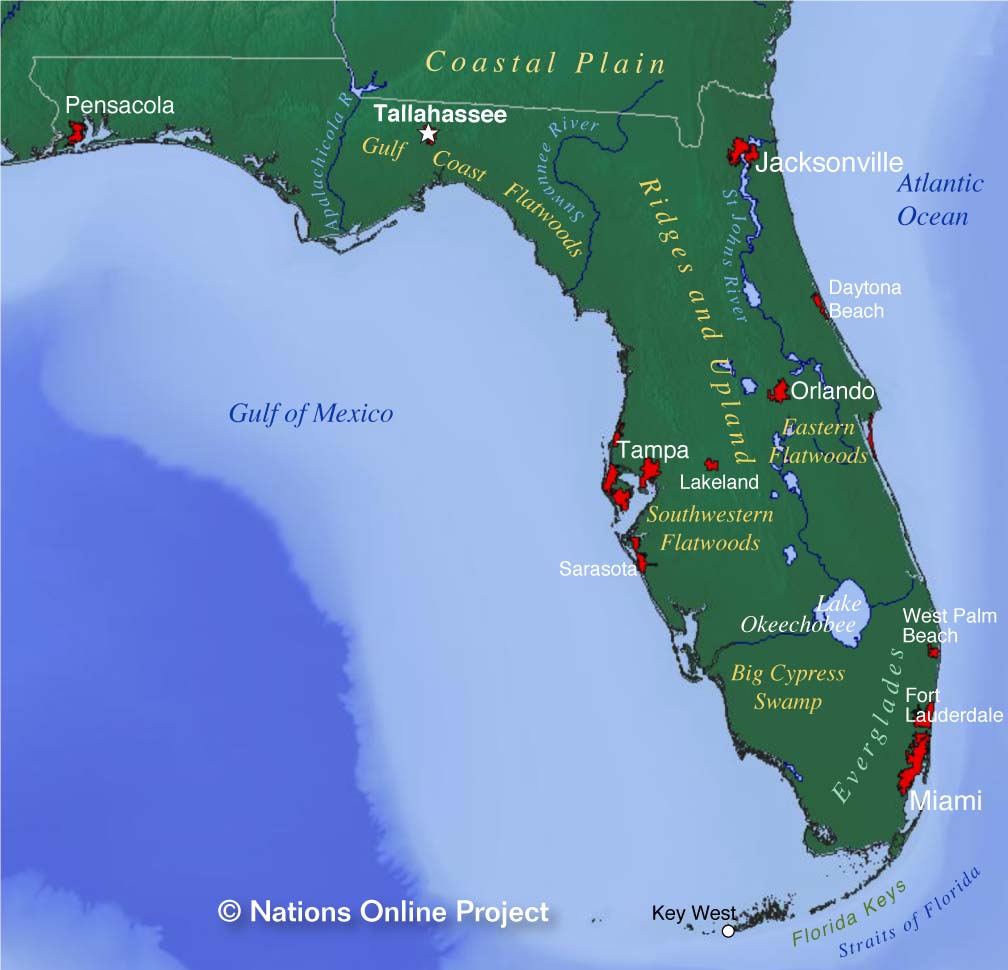
The Atlantic Ocean coast of Florida is famous for its long stretches of sandy beaches, ideal for sunbathing, swimming, and a variety of water sports. Towns like Daytona Beach are celebrated for their drive-on beaches, offering a unique experience for visitors. Further south, the vibrant shores of South Beach in Miami Beach are a mecca for sun-seekers, surfers, and those looking to experience Florida’s lively beach culture.
Beyond the popular beaches, the Atlantic Ocean provides access to incredible natural and historical sites. The Kennedy Space Center Visitor Complex in Titusville offers a glimpse into humanity’s quest for space exploration, with views of launches often visible from nearby coastal areas. Further north, the St. Johns River meets the Atlantic Ocean near Jacksonville, creating unique estuarine environments. For marine enthusiasts, the waters off the coast are teeming with life, making it a prime destination for fishing, dolphin watching, and even whale shark migrations during certain seasons.
The Gulf Stream’s Influence
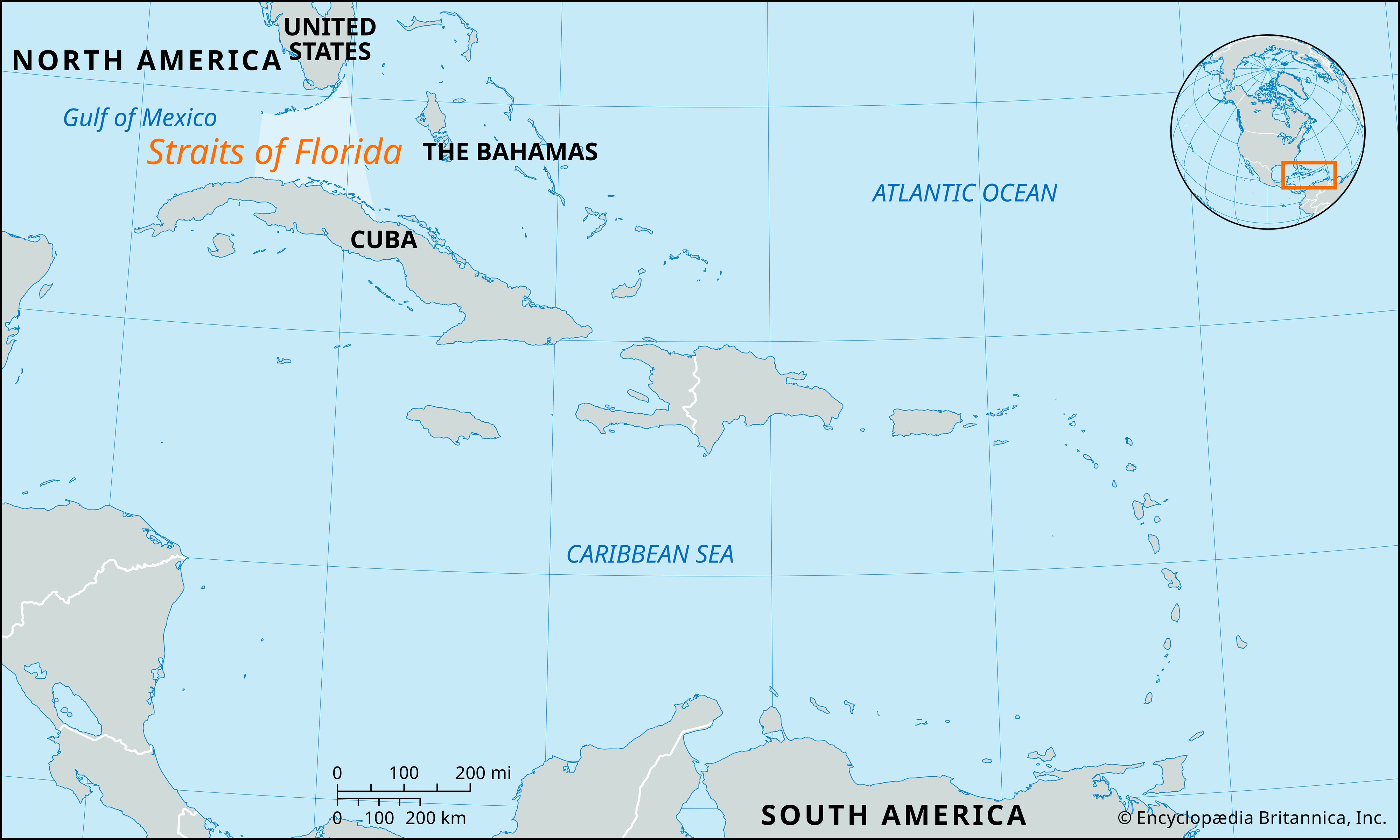
A significant feature influencing the Atlantic Ocean coast is the Gulf Stream. This powerful, warm ocean current originates in the Gulf of Mexico, travels through the Straits of Florida, and then flows north along the Atlantic coast. The Gulf Stream significantly impacts Florida’s climate, contributing to its warm temperatures and humid summers. It also plays a vital role in marine ecosystems, supporting diverse species and influencing migratory patterns. For divers and snorkelers, the warmer waters brought by the Gulf Stream make for more comfortable exploration of shipwrecks and artificial reefs found offshore.
The Gulf of Mexico: A Southern Serenity
Separated from the Atlantic Ocean by the Florida peninsula and the Florida Keys, Florida’s western and southern coasts are embraced by the warm, tranquil waters of the Gulf of Mexico. This large gulf is an arm of the Atlantic Ocean itself, renowned for its calmer seas, pristine white-sand beaches, and vibrant turquoise waters, particularly in areas like Clearwater Beach and Siesta Key.
Gulf Coast Beaches and Activities
The Gulf of Mexico coast is synonymous with relaxation and natural beauty. The beaches here are often characterized by incredibly soft, fine sand, composed of quartz that remains cool even on the hottest days. This makes them ideal for families with young children and for those seeking a peaceful escape. Popular destinations like Naples, Sarasota, and St. Petersburg offer a more laid-back atmosphere compared to some of the bustling Atlantic Ocean cities.
Water activities on the Gulf of Mexico side often involve calmer pursuits. Kayaking through mangrove tunnels in places like Everglades National Park offers a chance to witness unique coastal ecosystems. Shelling is a popular pastime along many of these shores, with treasures from the sea frequently washing ashore. Fishing is also a major draw, with plentiful opportunities for both inshore and offshore excursions, targeting species like redfish, snook, and tarpon. The sunsets over the Gulf of Mexico are legendary, painting the sky with breathtaking hues of orange, pink, and purple, best viewed from the west-facing beaches.
The Florida Keys and Straits of Florida
At the southern tip of Florida, the Florida Keys form a chain of islands that stretch southwestward, effectively bridging the Atlantic Ocean and the Gulf of Mexico. The waters surrounding the Keys are known as the Straits of Florida, a vital shipping lane and a critical area for marine biodiversity. This region is home to the only living coral barrier reef in the continental United States, the Florida Reef Tract.
The Straits of Florida provide unparalleled opportunities for diving and snorkeling. The crystal-clear waters reveal a vibrant underwater world filled with colorful corals, sponges, and a dazzling array of fish species. Popular dive sites include the John Pennekamp Coral Reef State Park near Key Largo and the famous Christ of the Abyss statue. The confluence of the warm waters from the Gulf Stream and the Gulf of Mexico creates a rich environment that supports this extraordinary coral ecosystem.
Marine Life and Conservation
The diverse waters surrounding Florida are not just attractive for their scenic beauty but also for the incredible biodiversity they harbor. Both the Atlantic Ocean and the Gulf of Mexico are crucial habitats for a wide range of marine life, including dolphins, manatees, sea turtles, and numerous species of fish.
Protecting Florida’s Coastal Treasures
Recognizing the ecological significance of its surrounding waters, Florida has established numerous marine sanctuaries, protected areas, and research facilities dedicated to the conservation of its marine resources. Initiatives aimed at protecting coral reefs, preserving mangrove forests, and ensuring the sustainable management of fisheries are vital for maintaining the health of these ocean environments for future generations.
Visitors can actively participate in conservation efforts by adhering to responsible tourism practices, such as not touching coral, properly disposing of waste, and supporting eco-tourism operators who prioritize sustainability. Understanding the distinct characteristics and ecological importance of the Atlantic Ocean and the Gulf of Mexico enhances the appreciation for Florida’s magnificent coastlines and the vital role these oceans play in its identity and allure. Whether drawn by the surf and energy of the Atlantic or the serene beauty of the Gulf, Florida’s surrounding oceans offer an unforgettable experience for every traveler.
LifeOutOfTheBox is a participant in the Amazon Services LLC Associates Program, an affiliate advertising program designed to provide a means for sites to earn advertising fees by advertising and linking to Amazon.com. Amazon, the Amazon logo, AmazonSupply, and the AmazonSupply logo are trademarks of Amazon.com, Inc. or its affiliates. As an Amazon Associate we earn affiliate commissions from qualifying purchases.