
The question of when asbestos was outlawed in California is crucial for understanding the historical context of its use and the subsequent regulations designed to protect public health. While there isn’t a single, definitive “outlawing” date for all uses of asbestos in the state, a series of legislative actions and regulatory changes gradually restricted and ultimately banned most applications of this hazardous material. This journey reflects a growing awareness of its severe health risks, particularly its link to mesothelioma and other asbestos-related diseases, and the evolving landscape of environmental and occupational safety in California.
The Gradual Recognition of Asbestos Hazards
For much of the 20th century, asbestos was hailed as a miracle material. Its remarkable properties – fire resistance, insulation capabilities, and durability – made it indispensable in a wide array of industrial and consumer products. From the construction of iconic buildings and the insulation of homes to its presence in textiles, automotive parts, and even household appliances, asbestos was ubiquitous. However, as research advanced and epidemiological studies accumulated, the grave health consequences of inhaling asbestos fibers became undeniable. Inhaled asbestos fibers can become lodged in the lungs, leading to serious and often fatal diseases that can take decades to manifest.
Early Warnings and Occupational Concerns
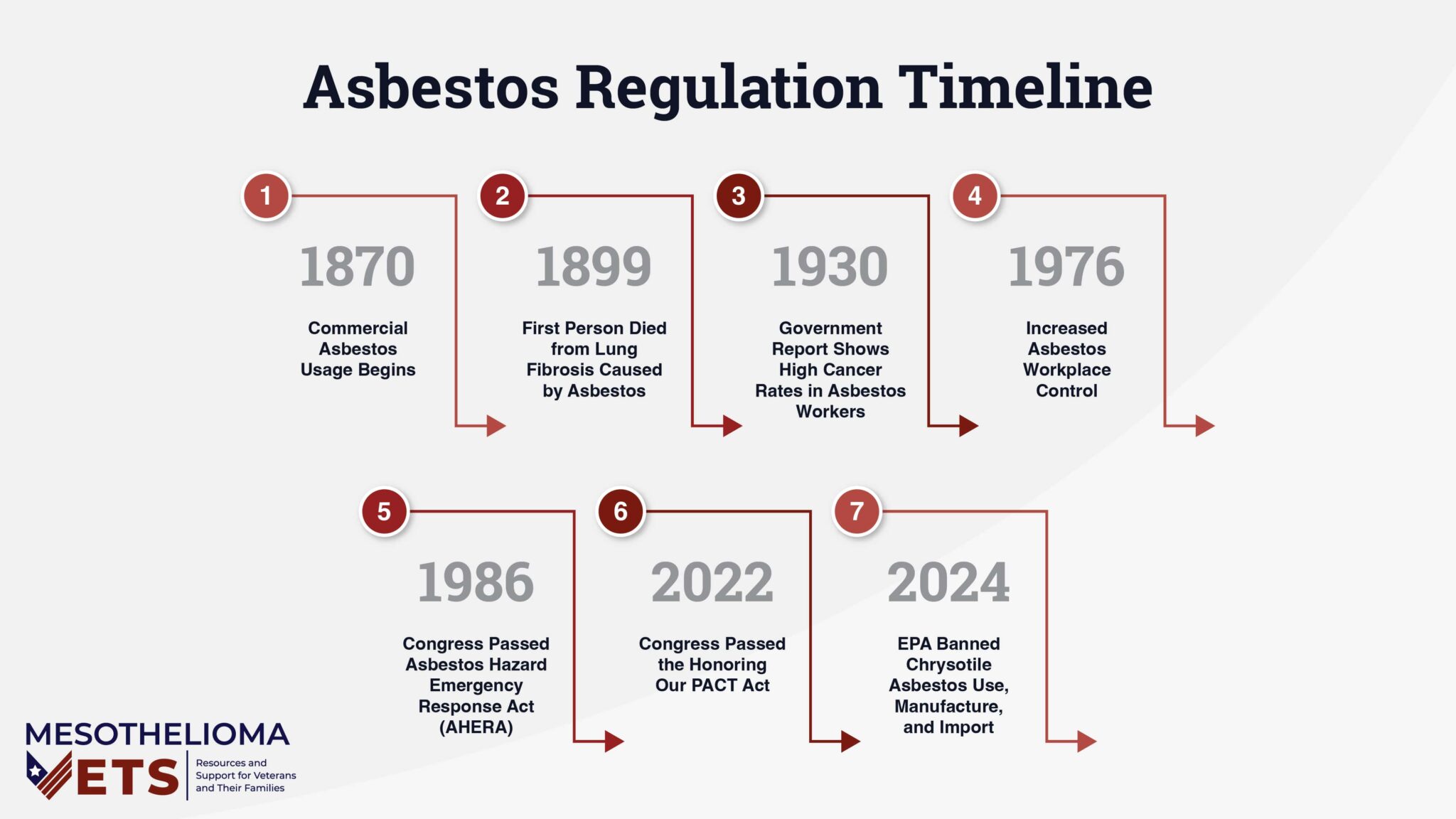
The earliest scientific evidence linking asbestos exposure to lung disease emerged in the early 20th century. By the 1930s, it was becoming increasingly clear that workers in asbestos mines and factories faced significantly higher risks of respiratory ailments. Despite these early warnings, widespread adoption of stringent safety measures lagged for many years. In California, as in other parts of the United States, the focus remained primarily on the industrial applications of asbestos, with occupational exposure being the initial primary concern for health and safety regulators.
The Rise of Regulatory Action
The latter half of the 20th century saw a significant shift in public and governmental attitudes towards asbestos. Growing awareness campaigns, advocacy by health organizations, and legal challenges brought by individuals suffering from asbestos-related illnesses pressured lawmakers to enact more robust regulations. This period marked the beginning of a more systematic approach to controlling and eventually eliminating the use of asbestos in various products and applications.
Key Legislative Milestones in California
While a complete ban on all asbestos use was a multi-faceted process, certain legislative actions and regulatory shifts in California stand out as pivotal in its eventual restriction. These milestones reflect a progressive tightening of controls, moving from specific product bans to broader restrictions on its introduction into the environment and workplaces.
The Clean Air Act and Early Restrictions
Federal legislation, such as the Clean Air Act of 1970, played a significant role in initiating the phase-out of asbestos. This act, and subsequent amendments, empowered the Environmental Protection Agency (EPA) to regulate emissions of hazardous air pollutants, including asbestos. While this was federal legislation, it had a profound impact on California’s regulatory landscape and spurred state-level actions. Early regulations often focused on emissions from manufacturing processes and demolition activities, aiming to prevent the release of airborne asbestos fibers.
Proposition 65 and Consumer Awareness
In California, the Safe Drinking Water and Toxic Enforcement Act of 1986, commonly known as Proposition 65, marked a significant turning point in consumer awareness and corporate accountability regarding hazardous substances. Proposition 65 requires businesses to provide clear and reasonable warnings before knowingly and intentionally exposing anyone to chemicals that cause cancer, birth defects, or other reproductive harm. Asbestos is prominently listed under Proposition 65, mandating warnings for any potential exposure. This law has been instrumental in pushing industries to reformulate products and reduce the use of asbestos, even if a complete ban on its presence in existing materials wasn’t immediate. The transparency it enforced created consumer pressure and encouraged manufacturers to seek safer alternatives, indirectly contributing to the decline of asbestos use.
Occupational Safety and Health Administration (OSHA) Standards
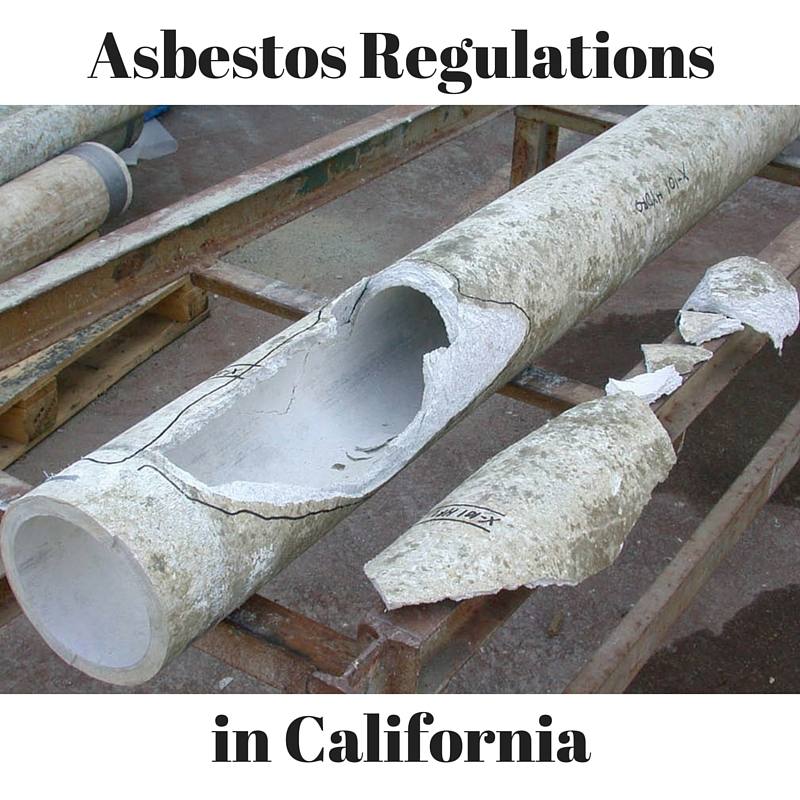
In tandem with environmental regulations, occupational safety standards have been critical in limiting asbestos exposure. California’s Division of Occupational Safety and Health (Cal/OSHA) has consistently adopted and often exceeded federal OSHA standards for asbestos. These standards dictate permissible exposure limits, require specific engineering controls, personal protective equipment, training, and medical surveillance for workers who may still encounter asbestos in certain situations, such as during renovation or demolition of older buildings. While not a direct ban on the material itself, these stringent regulations made its continued use in many applications economically and practically unfeasible.
The Near-Complete Ban on New Uses
The journey towards a comprehensive ban in California, as in the rest of the United States, has been more about a gradual phasing out of new applications rather than an instantaneous prohibition. The Toxic Substances Control Act (TSCA), enacted in 1976, gave the EPA authority to regulate chemical substances, including asbestos. While the EPA has attempted to ban most asbestos uses through various rules over the years, these efforts have faced legal challenges and have been implemented in stages.
Specific Product Bans
Over time, numerous specific products containing asbestos have been banned or severely restricted. This includes a significant number of building materials, flooring tiles, roofing felt, spray-applied asbestos-containing materials, and certain automotive brake pads and linings. These bans were often driven by the availability of safer alternatives and mounting evidence of health risks associated with their widespread use. California, with its proactive stance on environmental protection, often aligned with or even preempted federal actions in implementing these bans.
The Ban on Chrysotile Asbestos
A significant step towards a comprehensive ban was the EPA’s final rule in 2024 that bans the chrysotile asbestos. This is the last remaining form of asbestos that is still in use in the United States. While the rule allows for some limited exceptions and a compliance period, it effectively prohibits the import, manufacture, processing, and distribution of chrysotile asbestos in the country. California’s regulatory framework, having already significantly curtailed asbestos use through various measures, will undoubtedly align with and implement this federal ban. This marks a crucial turning point, signaling the near-complete elimination of asbestos from commercial and industrial use within the state.
Asbestos in Existing Structures and Ongoing Concerns
Despite the near-complete ban on new asbestos uses, the legacy of its past widespread application continues to be a significant concern in California. Millions of homes, public buildings, schools, and industrial facilities constructed before the bans still contain asbestos-containing materials (ACMs). This means that while asbestos is no longer being manufactured or widely incorporated into new products, it remains a latent hazard in the built environment.
Renovation, Demolition, and Remediation
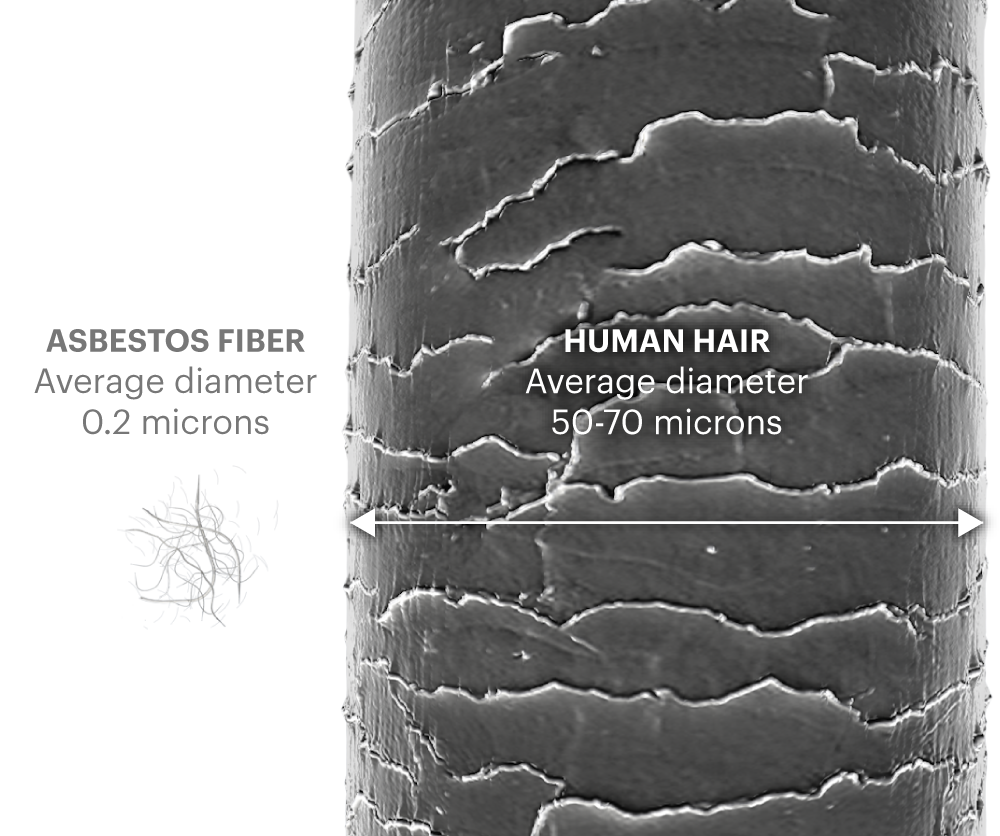
The primary concern today is the potential for asbestos fiber release during renovation, repair, or demolition activities. When these materials are disturbed, microscopic asbestos fibers can become airborne and pose a serious inhalation risk. Therefore, California has implemented stringent regulations governing asbestos abatement and management in existing structures.
Asbestos Abatement Professionals
Specialized licensed contractors are required to handle asbestos removal and remediation projects. These professionals are trained in identifying asbestos, safely containing work areas, using personal protective equipment, and disposing of asbestos-containing waste according to strict environmental and safety protocols. The presence of these licensed professionals and the regulatory oversight of their work are critical to minimizing exposure risks from legacy asbestos.
Building Inspections and Management Plans
Building owners and managers in California are often required to conduct asbestos surveys to identify ACMs in their facilities, particularly before undertaking renovation or demolition projects. Developing and implementing asbestos management plans is crucial for ensuring that ACMs are properly handled and that potential exposures are minimized throughout the life cycle of a building.
The Persistent Health Threat
The long latency period of asbestos-related diseases means that individuals exposed decades ago can still develop conditions like mesothelioma, asbestosis, and lung cancer. This enduring health threat underscores the importance of continued vigilance and public education. While the question of when asbestos was outlawed in California focuses on legislative and regulatory actions, the ongoing management of existing asbestos and the recognition of its historical health impacts are vital components of its legacy. The state’s commitment to phasing out new uses and rigorously managing existing materials reflects a long-term strategy to mitigate the pervasive health and environmental risks associated with this once-celebrated, now infamous, material.
LifeOutOfTheBox is a participant in the Amazon Services LLC Associates Program, an affiliate advertising program designed to provide a means for sites to earn advertising fees by advertising and linking to Amazon.com. Amazon, the Amazon logo, AmazonSupply, and the AmazonSupply logo are trademarks of Amazon.com, Inc. or its affiliates. As an Amazon Associate we earn affiliate commissions from qualifying purchases.