
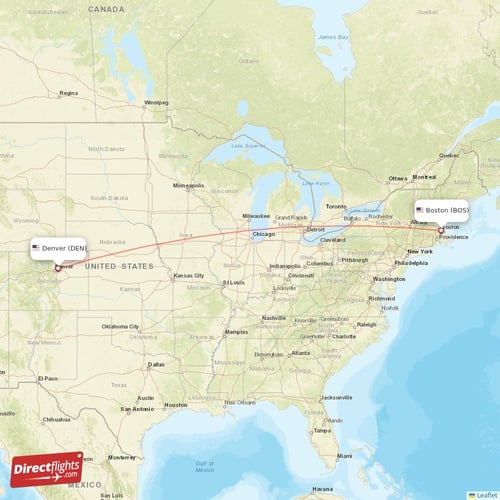
Navigating the intricacies of air travel, particularly for a specific route on an imminent date, requires a blend of real-time data access and strategic planning. For travelers seeking to journey from Boston to Denver tomorrow, understanding the operational landscape, key airlines, and potential influencing factors is paramount to a smooth experience. This route connects two major U.S. cities, bridging the historic charm of the Northeast with the vibrant, mountainous gateway of the Rocky Mountains in Colorado.
Navigating Tomorrow’s Boston to Denver Flight Landscape
Determining exact flight schedules for tomorrow’s travel from Boston to Denver necessitates direct engagement with current flight information resources. While a definitive list here would be instantly outdated, outlining the most reliable methods to acquire this information and the consistent operators on this route provides an invaluable framework for travelers.

Real-time Flight Status and Booking Platforms
For the most up-to-the-minute flight information, travelers should consult official airline websites directly, or utilize reputable third-party flight tracking and booking platforms. Websites such as FlightAware, FlightStats, or Google Flights offer real-time updates on departures, arrivals, delays, and cancellations. When searching, input “BOS” for Logan International Airport (Boston) and “DEN” for Denver International Airport (Denver). These platforms aggregate data from various sources, providing a comprehensive overview of available flights, their current status, and often, direct links to book remaining seats. It is crucial to check these sources frequently as departure times approach, as operational changes can occur rapidly. Setting up flight alerts for specific flight numbers is also a highly recommended practice to receive immediate notifications regarding any schedule modifications.
Key Airlines Operating the Route
The Boston to Denver corridor is a busy transcontinental route serviced by several major carriers, offering a range of departure times and service classes. While schedules can vary daily, the airlines typically providing direct or one-stop service include:
- JetBlue: Often a strong contender for transcontinental routes, JetBlue typically offers direct flights, known for their in-flight entertainment and comfort.
- United Airlines: With a major hub in Denver, United Airlines offers frequent direct flights and numerous connecting options, making it a primary choice for many travelers.
- Southwest Airlines: Known for its customer-friendly policies regarding baggage and no change fees, Southwest Airlines operates numerous flights to Denver, often with direct service from Boston.
- Delta Air Lines: A major global carrier, Delta Air Lines provides competitive service on this route, often with direct flights.
- American Airlines: Another significant player, American Airlines offers multiple daily flights, including direct options.
- Frontier Airlines and Spirit Airlines: For budget-conscious travelers, these airlines may offer non-stop or connecting flights, though often with additional fees for services considered standard by full-service carriers.
Checking the specific offerings of these airlines for tomorrow will yield the most accurate information on availability and pricing.
Understanding Factors Affecting Flight Schedules
Even with a confirmed booking, understanding the variables that can impact flight schedules is crucial for proactive travel planning, especially for a journey spanning the country from Boston to Denver.
Weather Conditions and Air Traffic Control
Weather is a primary determinant of flight punctuality. Boston, particularly during winter months, can experience snowstorms and ice, leading to airport closures or significant delays at Logan International Airport. Similarly, Denver’s semi-arid climate can still bring unexpected snow, high winds, or thunderstorms, impacting operations at Denver International Airport. Beyond local weather, en-route weather systems across the continental United States can necessitate rerouting or altitude changes, affecting arrival times. Air traffic control (ATC) plays a critical role in managing the flow of aircraft. During periods of high traffic volume, adverse weather, or unforeseen incidents, ATC may implement ground stops or ground delays, causing ripple effects across the entire aviation network. Travelers should monitor weather forecasts for both departure and arrival cities, as well as potential weather systems along the flight path.
Operational Changes and Airline Policies
Airlines operate on tight schedules, and any unforeseen operational issues can quickly lead to disruptions. Mechanical problems with an aircraft, crew availability issues (e.g., pilots or flight attendants reaching their maximum legal duty hours), or late arrival of an inbound aircraft can all cause delays or cancellations. Each airline has specific policies regarding flight changes and compensation for disruptions. Familiarizing oneself with these policies, particularly for the chosen carrier, can be beneficial in navigating unexpected situations. In cases of significant delays or cancellations, airlines typically offer rebooking options, and in some circumstances, accommodations or meal vouchers, though this varies greatly by the cause of the disruption and the length of the delay.
Seasonal Demand and Route Adjustments
Flight frequency and pricing often fluctuate based on seasonal demand. Peak travel seasons, such as holidays, summer months, or specific events in either Boston or Denver, can lead to fully booked flights and higher fares. Conversely, during off-peak seasons, flight options might be reduced. Airlines also periodically adjust their route networks and schedules based on profitability and passenger demand. While the Boston-Denver route is generally stable due to its popularity, minor adjustments to specific flight times or aircraft types are common. Always double-check the latest schedule directly with the airline or through reliable flight tracking apps.
Essential Pre-Flight Preparation for the Boston-Denver Journey
A well-prepared traveler minimizes stress and maximizes enjoyment. For a cross-country journey like Boston to Denver, a few key considerations can make a significant difference.
Optimal Booking Strategies
While tomorrow’s flights might offer limited flexibility, for future travel, consider booking well in advance to secure better fares and preferred seating. Flexibility with travel dates and times can also lead to savings. Mid-week flights (Tuesday, Wednesday) are often less expensive than weekend travel. Using flight comparison websites can help identify the best deals across various airlines. Always consider factors beyond just price, such as baggage allowances, seat pitch, in-flight amenities, and the airline’s reputation for punctuality. For tomorrow’s travel, be prepared that last-minute bookings can sometimes be more expensive, but occasionally, airlines might release discounted seats if flights aren’t full.
Airport Navigation: Logan International Airport and Denver International Airport
Arrive at Logan International Airport (BOS) with ample time, especially for a transcontinental flight. Security lines can be unpredictable, and navigating the terminals, particularly if checking bags, requires buffer time. Logan is well-connected to downtown Boston via public transport (the Silver Line bus connects to the subway system), ride-sharing, and taxis.
Upon arrival at Denver International Airport (DIA), travelers will find a vast, modern facility. The airport is located approximately 25 miles northeast of downtown Denver. The A Line commuter train offers efficient direct service from DIA to Union Station in downtown Denver, taking about 37 minutes. Taxis, ride-sharing services, and various shuttle providers are also readily available. Familiarize yourself with the layout of both airports through their official websites to minimize stress.
Packing Considerations for Denver’s Climate
Denver’s climate, known for its sunny days and significant diurnal temperature swings, requires versatile packing. Even if departing from a chilly Boston, be prepared for potentially mild or rapidly changing conditions in Denver. Layers are key. Depending on the season, you might experience warm afternoons and cool evenings, or intense sunshine paired with sudden snow showers. Given Denver’s mile-high elevation, adequate hydration is also important, so consider bringing a reusable water bottle. If you plan to explore the nearby mountains, appropriate hiking gear or winter sports attire will be necessary.
Maximizing Your Denver Experience Upon Arrival
Once your flight from Boston has landed safely at DIA, the adventure truly begins. Denver offers a vibrant urban experience complemented by unparalleled access to outdoor activities.
Ground Transportation Options from DIA
As mentioned, the A Line train is an excellent option for reaching downtown Denver. It terminates at Union Station, a beautifully restored historic landmark that serves as a central transportation hub. From Union Station, travelers can easily access the free 16th Street Mall shuttle, other light rail lines, buses, or taxis/ride-shares to reach their final destination in the city. Rental cars are also available at DIA’s consolidated car rental facility, especially advisable if planning extensive trips into the mountains.
Initial Exploration: Downtown Denver and Beyond
Downtown Denver itself is highly walkable and offers a rich array of attractions. Start with the 16th Street Mall for shopping, dining, and people-watching. Explore the historic LoDo (Lower Downtown) district, known for its Victorian architecture, art galleries, and lively nightlife. The Denver Art Museum, Civic Center Park, and the U.S. Mint are also popular points of interest. For beer enthusiasts, Denver boasts a thriving craft brewery scene.
Planning for Colorado Adventures
Denver is often the starting point for exploring the wider Colorado landscape. A day trip to Red Rocks Amphitheatre for its stunning geological formations and potential concerts is highly recommended. The charming mountain towns of Golden and Boulder, home to the University of Colorado, are also within easy driving distance. For longer excursions, the world-class ski resorts of Vail and Aspen are accessible, albeit requiring a more significant time commitment and transportation planning. Researching national parks like Rocky Mountain National Park (about 1.5-2 hours drive) is also worthwhile for nature lovers.
By keeping these travel considerations in mind, your journey from Boston to Denver can be as efficient and enjoyable as possible, paving the way for a memorable visit to the Mile-High City and its breathtaking surroundings.
LifeOutOfTheBox is a participant in the Amazon Services LLC Associates Program, an affiliate advertising program designed to provide a means for sites to earn advertising fees by advertising and linking to Amazon.com. Amazon, the Amazon logo, AmazonSupply, and the AmazonSupply logo are trademarks of Amazon.com, Inc. or its affiliates. As an Amazon Associate we earn affiliate commissions from qualifying purchases.