
As the summer months transition into autumn, the spectre of tropical storms and hurricanes looms larger for the residents and visitors of the Sunshine State. Florida, with its extensive coastline and warm waters, is particularly susceptible to these powerful weather systems. Understanding when tropical storms are most likely to impact the region is crucial for effective planning, ensuring safety, and safeguarding the vibrant tourism industry that defines much of the state’s economy. This guide delves into the peak seasons, the meteorological factors at play, and how to best prepare for the possibility of a tropical storm affecting your Florida travel plans.
Understanding Florida’s Tropical Storm Season
The Atlantic hurricane season officially begins on June 1 and concludes on November 30 each year. While storms can technically form outside these dates, the likelihood and intensity significantly increase within this six-month window.
Peak Activity Months
Within the broader hurricane season, certain months are statistically more active for tropical storm and hurricane development impacting Florida.
August and September: The Zenith of Storm Season
The period from mid-August through September is widely considered the most active time for tropical cyclones in the Atlantic basin, and consequently, for Florida. This is when sea surface temperatures are at their warmest, providing the necessary fuel for storms to form and intensify.
- Sea Surface Temperatures (SSTs): Warm ocean waters are the engine of tropical storms. By late summer, the Atlantic Ocean off the coast of Florida reaches its highest temperatures, often exceeding 80 degrees Fahrenheit (27 degrees Celsius). This heat transfer fuels convection, leading to the development of thunderstorms that can organize into tropical depressions, tropical storms, and eventually, hurricanes.
- Atmospheric Conditions: Beyond warm waters, other atmospheric ingredients are necessary. These include low vertical wind shear (winds at different altitudes blowing at similar speeds and directions), moisture in the mid-levels of the atmosphere, and a pre-existing disturbance, such as a tropical wave moving off the coast of Africa. These conditions often align favorably during August and September.
- Geographic Vulnerability: Florida’s geographic position makes it a prime target. Its long coastlines on both the Atlantic Ocean and the Gulf of Mexico mean that storms tracking across the Caribbean, the Gulf, or even developing in the open Atlantic can potentially make landfall.
June, July, and October: Significant but Less Intense
While August and September grab headlines for peak activity, the shoulder months of June, July, and October are by no means dormant.
- June and July: Early season storms often originate closer to home, sometimes forming in the Gulf of Mexico or the western Atlantic. While less frequent than later in the season, these storms can still pose a significant threat, especially to the western coast of Florida. The formation of an early storm can sometimes indicate a more active season overall.
- October: As the season begins to wind down, October can still see considerable activity. Storms forming later in the season may track differently, sometimes curving northward and impacting the northern parts of Florida or the panhandle. The cooler air masses starting to descend from the north can also interact with tropical systems, leading to a phenomenon known as a “hybrid” or “post-tropical” storm, which can still bring heavy rainfall and strong winds.
Factors Influencing Storm Tracks and Intensity
Predicting the exact timing and location of a tropical storm is a complex science. Several factors influence a storm’s path and its potential to strengthen.
- The Bermuda-Azores High: This semi-permanent area of high pressure over the Atlantic plays a crucial role in steering tropical systems. Its position and strength can dictate whether a storm moves westward towards Florida, curves northward, or takes a more easterly path.
- The Jet Stream: Changes in the position and strength of the jet stream, particularly in the mid-latitudes, can also influence storm tracks. During August and September, the jet stream is typically weaker and further north, allowing storms to maintain a more westerly trajectory. As autumn progresses, a stronger, more southerly jet stream can pull storms northward.
- Ocean Currents and Heat Content: Beyond surface temperatures, the depth of warm water also matters. Deeper warm water provides more energy for a storm to sustain its intensity, even if it encounters cooler surface waters later.
- Interaction with Landmasses: Landfall, especially in Florida, can disrupt a storm’s circulation and weaken it. However, the island of Cuba and the Florida peninsula itself can also act as steering features, altering a storm’s path.
Preparing for a Florida Visit During Storm Season
For travelers, understanding these patterns allows for more informed decision-making when booking trips or planning activities in Florida.
Travel Planning and Flexibility
The unpredictability of tropical storms necessitates a degree of flexibility for any traveler visiting Florida during the hurricane season.

Booking Strategies and Travel Insurance
- Travel Insurance: This is perhaps the most critical tool for mitigating the financial impact of a storm. Comprehensive travel insurance can cover trip cancellations, interruptions, and associated costs if a storm disrupts your travel plans. Ensure your policy specifically covers weather-related events.
- Flexible Bookings: When booking flights and accommodations, look for options that offer flexibility. Many airlines and hotel chains now offer fee-free changes or cancellations in response to potential weather events. This is particularly important for destinations like the Florida Keys or cities like Miami and Orlando.
- Destination Choice: While the entire state is at risk, some areas might experience different impacts. For instance, the Gulf Coast of Florida, including cities like Tampa and St. Petersburg, can be affected by storms forming in the Gulf, while the Atlantic coast, including areas around Fort Lauderdale and Jacksonville, might be more vulnerable to storms originating in the open Atlantic.
Monitoring Weather Forecasts
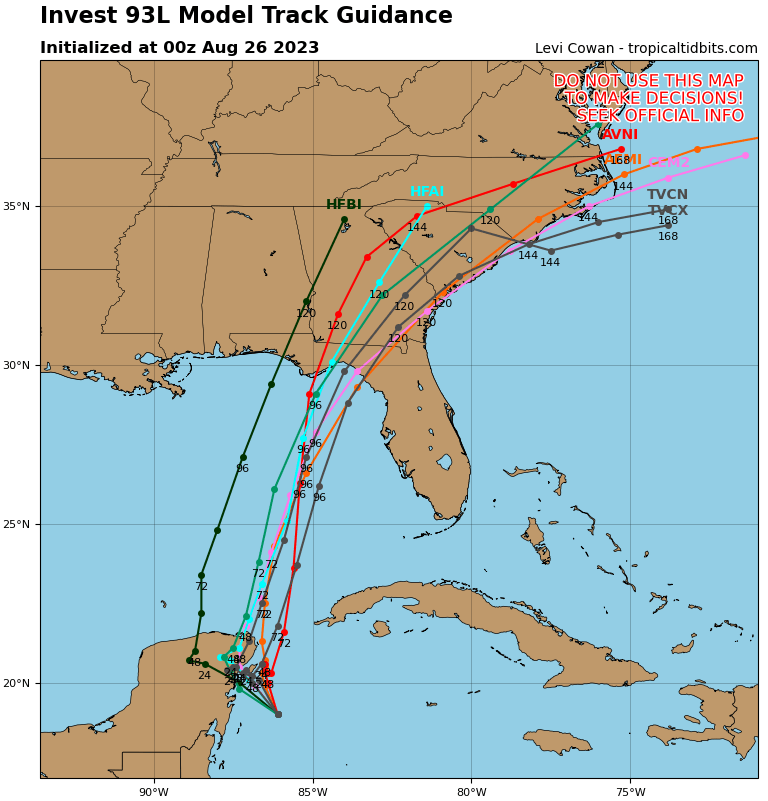
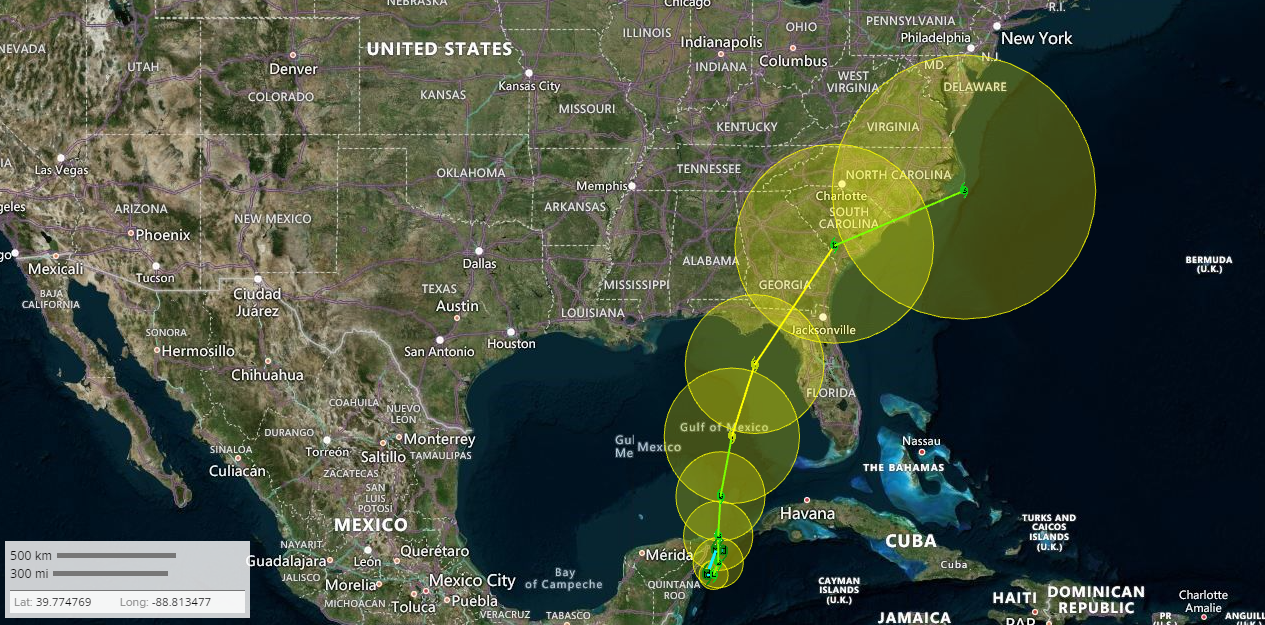
- National Hurricane Center (NHC): The primary source for tropical cyclone information in the United States is the National Hurricane Center (www.nhc.noaa.gov). They provide advisories, forecasts, and storm track predictions. Familiarize yourself with their products before and during your trip.
- Local News and Emergency Management: During your stay, stay tuned to local news channels and official emergency management agency updates for your specific area of Florida. These sources provide the most relevant and immediate information regarding evacuations and local conditions.
Safety and Preparedness for Visitors
If a tropical storm or hurricane threatens your travel plans or is active during your visit, prioritizing safety is paramount.
During a Storm Watch or Warning
- Understand the Terms: A Tropical Storm Watch means tropical storm conditions are possible within your area, generally within 48 hours. A Tropical Storm Warning means tropical storm conditions are expected within your area, generally within 36 hours. Hurricane Watches and Warnings operate on similar timelines but for hurricane-force winds.
- Follow Official Guidance: If an evacuation order is issued for your area, do not hesitate to comply. Local authorities issue these orders for your safety and are based on the best available storm predictions.
- Secure Your Surroundings: If you are in a hotel or rental property and advised to shelter in place, secure windows and doors. Stay away from windows and glass doors.
- Stay Informed: Keep your mobile devices charged and have a plan for how you will receive updates if power is lost.
Evacuation Routes and Shelters
- Know Your Evacuation Zone: Many coastal communities in Florida have designated evacuation zones. Familiarize yourself with whether your accommodation is in such a zone.
- Pre-Plan an Evacuation Route: If an evacuation is ordered, have a plan for where you will go. This might involve driving inland to a pre-booked hotel outside the potential impact zone or heading to a designated public shelter. Note that shelters can fill up quickly.
- Supplies: If you are in a situation where you might need to shelter for an extended period, have a basic emergency kit ready, including water, non-perishable food, a flashlight, batteries, and any necessary medications.
Florida’s Resilience and Recovery
Despite the risks, Florida’s tourism industry has shown remarkable resilience. Communities and businesses are well-practiced in their preparations and recovery efforts.
Economic Impact and Tourism
The economic implications of tropical storms on Florida’s robust tourism sector are significant. Destinations like Walt Disney World Resort, Universal Orlando Resort, and the beaches of Clearwater and Sarasota rely heavily on predictable weather patterns.
- Disruptions and Cancellations: Storms inevitably lead to flight cancellations, hotel closures, and the temporary halting of theme park operations. This can result in millions of dollars in lost revenue for businesses and the state.
- Rebuilding and Recovery: Following a storm, the focus shifts to recovery. Infrastructure repairs, beach replenishment, and the restoration of services are critical to reopening for tourism. Many Florida communities have robust disaster preparedness plans in place to expedite this process.
- Visitor Confidence: While storms are a concern, the overwhelming majority of the year offers ideal vacation weather. The industry works diligently to communicate safety measures and recovery progress to maintain visitor confidence. The prompt reopening of attractions like those in Tampa Bay and the theme parks in Orlando after a storm event is a testament to this effort.
Community Preparedness and Long-Term Planning
Florida communities, from the bustling metropolis of Miami to smaller coastal towns, are continuously investing in their preparedness and mitigation strategies.
- Infrastructure Improvements: This includes strengthening seawalls, improving drainage systems, and enforcing stricter building codes to withstand high winds and storm surge.
- Emergency Management Agencies: State and local agencies are constantly refining their response plans, conducting drills, and coordinating with federal partners to ensure an effective response to any event.
- Public Awareness Campaigns: Educating residents and visitors about hurricane preparedness is an ongoing effort, ensuring everyone understands the risks and knows how to prepare.
In conclusion, while the exact timing of a tropical storm hitting Florida is impossible to predict with certainty months in advance, understanding the peak season from August through September, along with the contributing meteorological factors, provides valuable insight for travelers. By staying informed, planning with flexibility, prioritizing safety, and being aware of the resilience of Florida’s communities, visitors can navigate the hurricane season with greater confidence, ensuring their travel experiences remain enjoyable and memorable.
LifeOutOfTheBox is a participant in the Amazon Services LLC Associates Program, an affiliate advertising program designed to provide a means for sites to earn advertising fees by advertising and linking to Amazon.com. Amazon, the Amazon logo, AmazonSupply, and the AmazonSupply logo are trademarks of Amazon.com, Inc. or its affiliates. As an Amazon Associate we earn affiliate commissions from qualifying purchases.