
For many travelers, the phrase “Where America’s Day Begins” is the first introduction to the unique temporal position of Guam. As an organized, unincorporated territory of the United States located in the western Pacific Ocean, this tropical paradise is the first part of the United States to see the sunrise each day. Specifically, Guam operates on Chamorro Standard Time (ChST), which is UTC+10. This puts the island 15 hours ahead of Eastern Standard Time and 14 hours ahead of Eastern Daylight Time. Understanding the clock is just the beginning of understanding the rhythm of life in this corner of Micronesia. In Guam, time is not just a measurement on a watch; it is a guide for coastal adventures, cultural celebrations, and the enjoyment of the island’s legendary hospitality.
The Rhythm of the Island: Navigating Chamorro Standard Time
When you land at Antonio B. Won Pat International Airport in Tamuning, you aren’t just stepping into a different time zone; you are entering a pace of life that respects both the sun and the sea. Because Guam does not observe Daylight Saving Time, its relationship with the mainland United States shifts slightly twice a year. For visitors arriving from California or Hawaii, the “loss” or “gain” of time can feel significant, but the island’s consistent daylight—roughly 12 to 13 hours year-round—makes it easy to adjust.
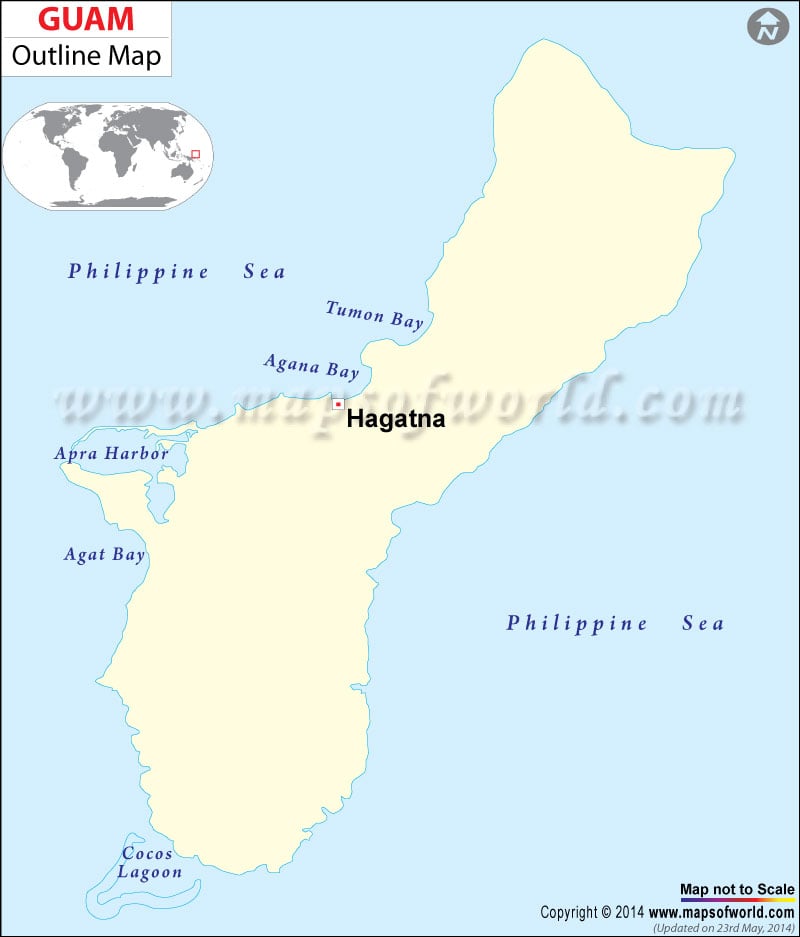
The daily schedule in Guam often starts early. To make the most of the cooler morning temperatures, locals and savvy tourists head to the capital city of Hagatna for morning walks or to grab breakfast at local bakeries. By 10:00 AM, the tropical sun begins its ascent toward its peak, signaling that it is the perfect time for water-based activities. Whether you are staying at the Dusit Thani Guam Resort or the Hilton Guam Resort & Spa, the mid-morning hours provide the clearest visibility for snorkeling in the turquoise waters of Tumon Bay.
As afternoon approaches, the “island time” philosophy takes hold. This isn’t about being late; it’s about a cultural appreciation for the present moment. Between 2:00 PM and 4:00 PM, many residents prefer indoor activities or shaded relaxation to escape the humidity. This is the ideal time to explore the indoor shopping centers like the Micronesia Mall or to enjoy a long lunch featuring local delicacies like red rice and kelaguen.
The Significance of Sunset
In Guam, the sunset is a daily event that stops the clock. Around 6:00 PM to 6:30 PM, depending on the season, the sky transforms into a canvas of deep purples, oranges, and pinks. Places like Two Lovers Point, also known as Puntan Dos Amantes, become the focal point of the island. Tourists flock to this cliffside lookout to witness the sun dip below the horizon of the Philippine Sea. For the local community, this transition from day to night marks the beginning of the evening social hour, where the heat dissipates and the island’s vibrant nightlife begins to stir.
Seasonal Timing: When to Experience Guam at Its Best
While the time of day matters for your daily itinerary, the time of year is equally crucial for planning a trip to Guam. The island experiences two primary seasons: the dry season (December through June) and the rainy season (July through November).
The Dry Season and Peak Tourism
The dry season is widely considered the best time for tourism. The weather is consistently pleasant, with trade winds providing a cooling breeze. This period coincides with many major events, including the Guam Micronesia Island Fair, a vibrant showcase of regional dance, food, and craft. If you are a fan of outdoor exploration, this is the time to hike to the top of Mount Lamlam. While it is technically the “tallest” mountain in the world if measured from the bottom of the Mariana Trench, the hike itself is manageable and offers 360-degree views of the island.
The Rainy Season and Cultural Vibrancy
The rainy season, while characterized by shorter, intense bursts of tropical rain, should not be discounted. This is a time of lush greenery and high cultural activity. One of the most significant dates on the Guam calendar is July 21st, known as Liberation Day. This holiday commemorates the day the United States military liberated the island from Japanese occupation in 1944. The festivities include a massive parade in Hagatna, carnivals, and memorials at the War in the Pacific National Historical Park. During this season, visitors can experience a deeper side of Guam beyond the resort-filled beaches of Tumon.

Time-Honored Traditions: The Chamorro Way of Life
To truly understand what time it is in Guam, one must look at the clock of history and tradition. The indigenous Chamorro culture has thrived here for over 3,500 years, and their concept of time is deeply tied to the community and the land.
The Village Fiesta
Every weekend, different villages across Guam—from Yigo in the north to Merizo in the south—host their annual village fiestas. These celebrations are held in honor of the village’s patron saint and are a cornerstone of local life. If you are lucky enough to be invited to a fiesta table, time seems to stand still. Tables are laden with Chamorro favorites, and the emphasis is on sharing, storytelling, and family. It is a reminder that in Guam, the most important time is the time spent with others.
Weekly Markets and Nightlife
For those looking for a structured cultural experience, the Chamorro Village Wednesday Night Market is an essential stop. Starting around 5:30 PM every Wednesday, the market comes alive with the smell of barbecue and the sound of local music. It is a sensory journey where you can find handcrafted jewelry, traditional wood carvings, and plenty of street food.
For a more tranquil experience, the southern part of the island offers a slower clock. Villages like Inarajan feature the Inarajan Pools, natural volcanic pools that are perfect for a quiet afternoon dip. Nearby, the Gef Pa’go Cultural Village allows visitors to step back in time and learn traditional skills like coconut husking and rope making.
Practical Tips for the Modern Traveler
When planning your trip and managing your time, keep in mind that Guam is a hub for the western Pacific. Its proximity to Asia makes it a popular quick-getaway destination for residents of Japan, South Korea, and the Philippines.
- Transport Time: While the island is small (only 30 miles long), traffic can be heavy during morning and evening rush hours, particularly on Marine Corps Drive, the island’s main artery. Allow extra time when traveling between Tumon and the northern regions like Anderson Air Force Base.
- Booking and Reservations: If you plan on dining at popular spots like Proa or visiting the Pacific Islands Club for a day pass, remember that island time can mean these places fill up quickly. Booking in advance is recommended, especially on weekends.
- Nature’s Schedule: If you plan to visit Ritidian Point, located within the Guam National Wildlife Refuge, be aware that the access gates have strict closing times (typically 4:00 PM). It is one of the most pristine beaches on the island, so you’ll want to arrive early to maximize your time there.
- Tide Times: For those interested in exploring the Talofofo Falls or taking a boat out to Cocos Island, checking the local tide charts is essential. Some lagoon areas become too shallow for boats or snorkeling during low tide.

Finding Your Own Rhythm
Ultimately, the answer to “What time is it in Guam?” is that it is whatever time you need it to be to find peace and adventure. Whether you are synchronizing your watch to catch the first sunrise of the United States, timing your hike to reach the summit of a mountain at noon, or simply waiting for the evening breeze to start your dinner, Guam offers a unique temporal experience.
The island invites you to put down the phone, look away from the digital clock, and instead look toward the horizon. From the historic streets of Hagatna to the luxury balconies of the Pacific Star Resort & Spa, time here is measured in memories rather than minutes. As you navigate the beauty of the Mariana Islands, you will find that Guam doesn’t just begin the day for America—it sets a standard for how a day should truly be lived.
LifeOutOfTheBox is a participant in the Amazon Services LLC Associates Program, an affiliate advertising program designed to provide a means for sites to earn advertising fees by advertising and linking to Amazon.com. Amazon, the Amazon logo, AmazonSupply, and the AmazonSupply logo are trademarks of Amazon.com, Inc. or its affiliates. As an Amazon Associate we earn affiliate commissions from qualifying purchases.