
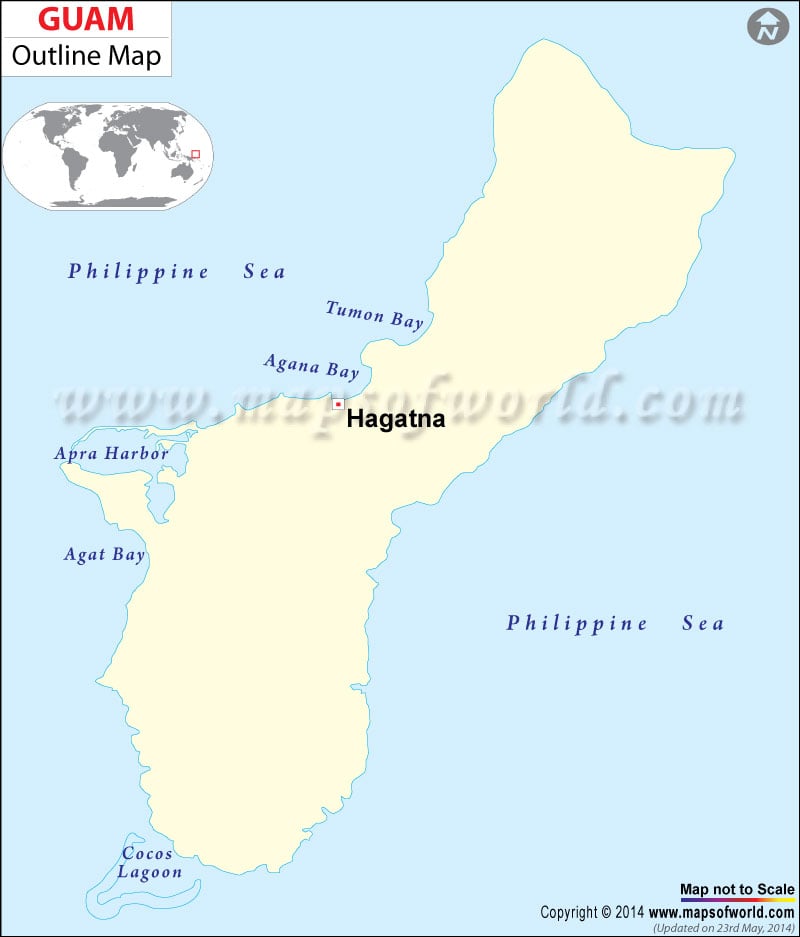
When planning a journey to the western Pacific Ocean, understanding the temporal landscape is just as crucial as packing the right sunscreen. Guam, a tropical paradise and an unincorporated territory of the United States, occupies a unique position on the global map. Known colloquially as the place “Where America’s Day Begins,” this island is the first part of the United States to see the sunrise each morning. For tourists, navigating the time zone is more than just a matter of setting a watch; it is about harmonizing with the rhythm of Micronesia and understanding how the island’s clock influences everything from local markets to historical tours.
Understanding Chamorro Standard Time (ChST)
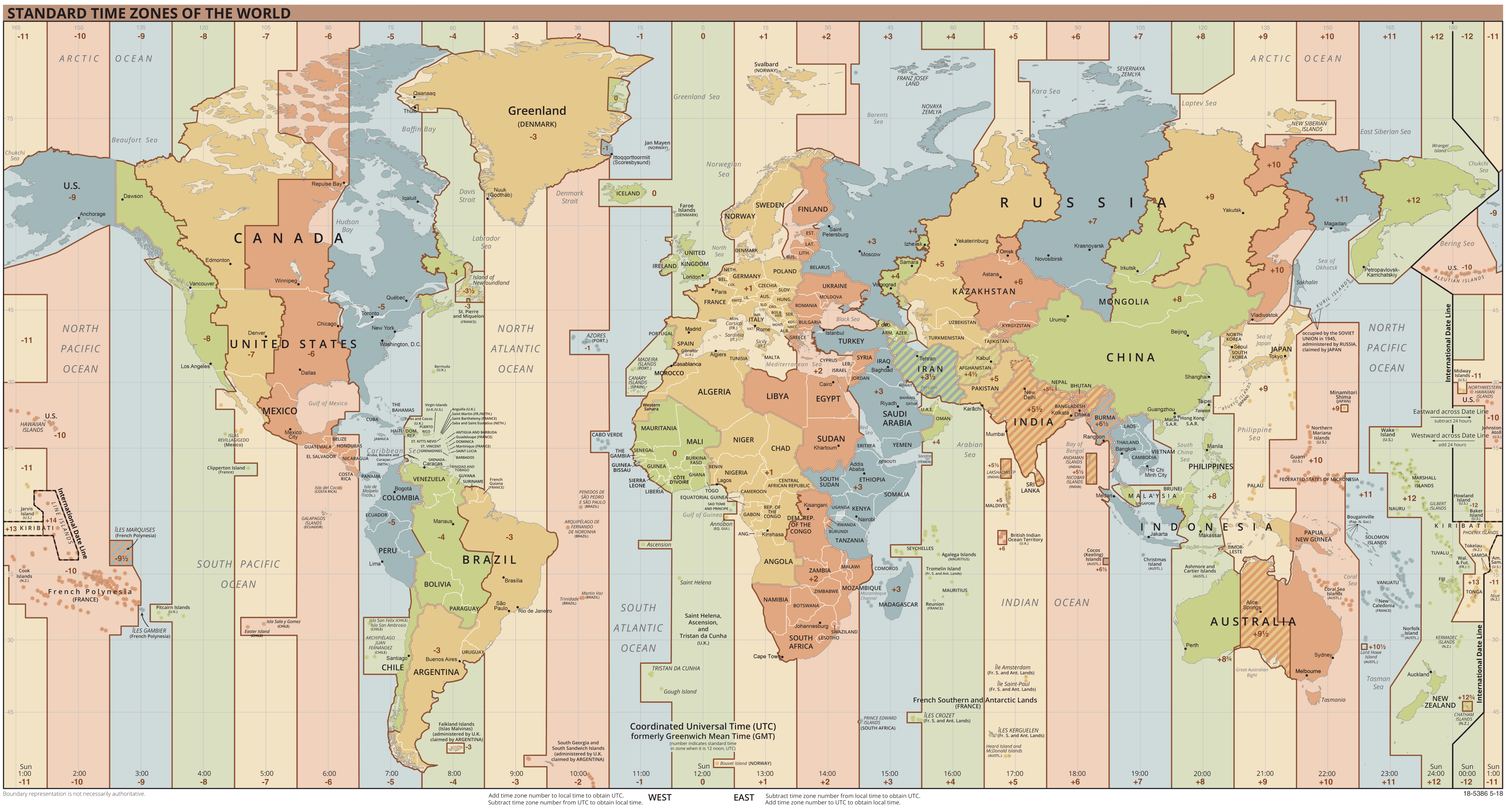
Guam operates on Chamorro Standard Time, abbreviated as ChST. This time zone is defined as UTC+10, meaning it is ten hours ahead of Coordinated Universal Time. Unlike many regions in North America or Europe, Guam does not observe Daylight Saving Time. This consistency is a boon for travelers, as there are no seasonal shifts to calculate when planning a visit to the Mariana Islands.
To put this into perspective for those traveling from the mainland United States, Guam is 14 hours ahead of Eastern Standard Time (EST) during the winter months and 15 hours ahead during the summer. For those coming from California, the gap widens to 17 or 18 hours. This significant time difference is the reason behind the island’s famous slogan. When the rest of the country is finishing its day, the residents of Hagatna and Tamuning are already stepping into a new one.
This unique positioning also places Guam in the same time zone as Queensland, Australia, and Papua New Guinea. For visitors from nearby Asia, the transition is much smoother. Travelers flying from Japan or South Korea find themselves only one hour ahead of their home time, making Guam an exceptionally convenient destination for quick tropical getaways. Similarly, visitors from the Philippines only need to adjust by two hours, ensuring that jet lag rarely interrupts their enjoyment of the island’s pristine beaches and vibrant culture.
Practical Tips for Synchronizing Your Trip to Guam
Navigating a new time zone requires a blend of logistical planning and physical adaptation. For the international tourist, the first point of contact with Guam is usually the Antonio B. Won Pat International Airport. Because many flights from the United States via Honolulu arrive in the evening or late at night, it is essential to have your transportation to Tumon pre-arranged. Most resorts in the Tumon area are accustomed to late arrivals, but confirming your check-in time is a vital tip for a stress-free start.
One of the most important tips for visitors is to align their schedule with the sun as quickly as possible. Guam is a morning-centric island. To beat the tropical heat, many of the best outdoor activities happen shortly after dawn. If you are staying near Ypao Beach Park, you will notice locals and savvy tourists out for early swims and jogs before the midday sun reaches its peak. Setting your internal clock to wake up early allows you to experience the island at its most tranquil and comfortable.
Tourism services, such as car rentals and guided tours to Two Lovers Point, generally operate on standard business hours, but it is worth noting that “island time” is a real cultural nuance. While professional services are punctual, the general pace of life is relaxed. When visiting the southern villages like Inarajan or Merizo, you may find that small mom-and-pop shops or roadside fruit stands have flexible hours. A good tip for exploring the rural side of Guam is to complete your travels and sightseeing before dusk, as road lighting can be sparse in the more remote areas near Ritidian Point.
For those needing to communicate with family or business associates in North America, the morning hours in Guam (7:00 AM to 10:00 AM) are typically the best window for reaching people in the United States during their late afternoon or early evening of the previous day. Planning these windows of communication helps ensure you don’t spend your entire vacation fighting the clock to catch a phone call.
How Time Influences Tourism Activities and Local Culture
The Chamorro Standard Time zone dictates a lifestyle that is deeply connected to the natural environment and local traditions. One of the highlights of any visit to Guam is the Chamorro Village Night Market in Hagatna. Held every Wednesday evening, this event is a masterclass in local timing. While the market officially begins in the late afternoon, the real energy starts as the sun sets. Arriving around 5:30 PM allows you to witness the transition from the golden hour to the vibrant nightlife, where the scent of barbecue and the sound of live music fill the air.
In terms of local culture, the time of day often dictates the type of food and social interaction you will experience. The morning hours are dedicated to community and heritage. A visit to the Dulce Nombre de Maria Cathedral Basilica or the nearby Plaza de Espana is best done in the early hours when the air is cool and the historical significance of these sites can be reflected upon in quietude. Chamorro culture places a high value on family gatherings, often centered around “fiestas.” If you are invited to a local celebration, keep in mind that these often span several hours, beginning in the late afternoon and continuing well into the night.
For nature enthusiasts, the time zone and the island’s latitude mean that sunrise and sunset occur at relatively consistent times throughout the year. Hiking to the top of Mount Lamlam, the highest point on the island, is a popular activity for those wanting to see the first light hit the United States. Because Guam is located near the equator, the twilight period is relatively short. The sun drops quickly into the Philippine Sea, creating spectacular but brief displays of orange and purple. Capturing the perfect photo at the Cetti Bay Overlook requires precise timing—be sure to arrive at least thirty minutes before the scheduled sunset to secure a spot and watch the colors shift.
Water activities also follow a temporal rhythm. Snorkeling at the Fish Eye Marine Park or exploring the Inarajan Pools is best done during mid-morning when the sun provides maximum visibility through the crystal-clear water. For those interested in the island’s military history, visiting the War in the Pacific National Historical Park at Asan Bay Overlook provides a poignant experience as the afternoon shadows lengthen over the memorials, offering a somber environment for reflection on the events of World War II.

Regional Connectivity and the Global Context
Because Guam serves as a hub for the Pacific Islands, its time zone is a critical factor for regional tourism. Travelers often use Guam as a jumping-off point to explore the Northern Mariana Islands, including Saipan and Tinian, which share the same time zone. This makes inter-island travel seamless, with no need to adjust devices or schedules.
Furthermore, Guam is a major destination for shopping and luxury goods, particularly for visitors from Asia. The duty-free shopping centers in Tamuning often stay open late into the evening to accommodate tourists who spend their daylight hours at the beach. Understanding these extended evening hours allows visitors to maximize their time, perhaps spending the morning diving at the Blue Hole and the evening browsing international boutiques.
For those interested in the architectural and historical layers of the island, the time zone also plays into how one experiences landmarks like Fort Nuestra Senora de la Soledad in Umatac. Visiting this site in the late morning allows for a clear view of Umatac Bay, where Ferdinand Magellan is said to have landed. The historical context of Guam as a stop on the Spanish galleon trade route between Acapulco and Manila highlights how the island has long been a crossroads of time and culture.
Even modern attractions like the Talofofo Falls Resort Park or the Latte Stone Park in Hagatna are best enjoyed when one is synchronized with the local pace. By respecting the Chamorro Standard Time, tourists gain more than just a logistical advantage; they gain a deeper appreciation for the “Hafa Adai” spirit. This local greeting is more than a hello; it is an invitation to slow down and enjoy the present moment.
In conclusion, while the question “What time zone is Guam?” has a simple technical answer—ChST or UTC+10—the reality for the tourist is much richer. It is a time zone that rewards the early riser with breathtaking sunrises over the Pacific Ocean, offers a convenient bridge to Asia, and provides a consistent, daylight-saving-free schedule that makes planning easy. Whether you are standing at Paseo de Susana watching the waves or exploring the ancient Piti Guns, being on Guam time means being at the forefront of the world’s daily journey, experiencing the very first moments of “America’s Day.”
LifeOutOfTheBox is a participant in the Amazon Services LLC Associates Program, an affiliate advertising program designed to provide a means for sites to earn advertising fees by advertising and linking to Amazon.com. Amazon, the Amazon logo, AmazonSupply, and the AmazonSupply logo are trademarks of Amazon.com, Inc. or its affiliates. As an Amazon Associate we earn affiliate commissions from qualifying purchases.