
For those working within the United States Department of Defense or planning a relocation for federal employment, the acronym OCONUS—short for “Outside the Continental United States”—is a staple of daily vocabulary. When considering a move to the beautiful archipelago of Hawaii, the question of whether it qualifies as OCONUS often arises, particularly for military personnel and government contractors trying to navigate logistics, cost-of-living allowances, and travel benefits. The simple answer is yes: Hawaii is considered OCONUS.
While Hawaii is a U.S. state, its geographic separation from the North American landmass dictates its classification. Understanding this distinction is vital, as it influences everything from shipping household goods to understanding tax implications and federal pay differentials.
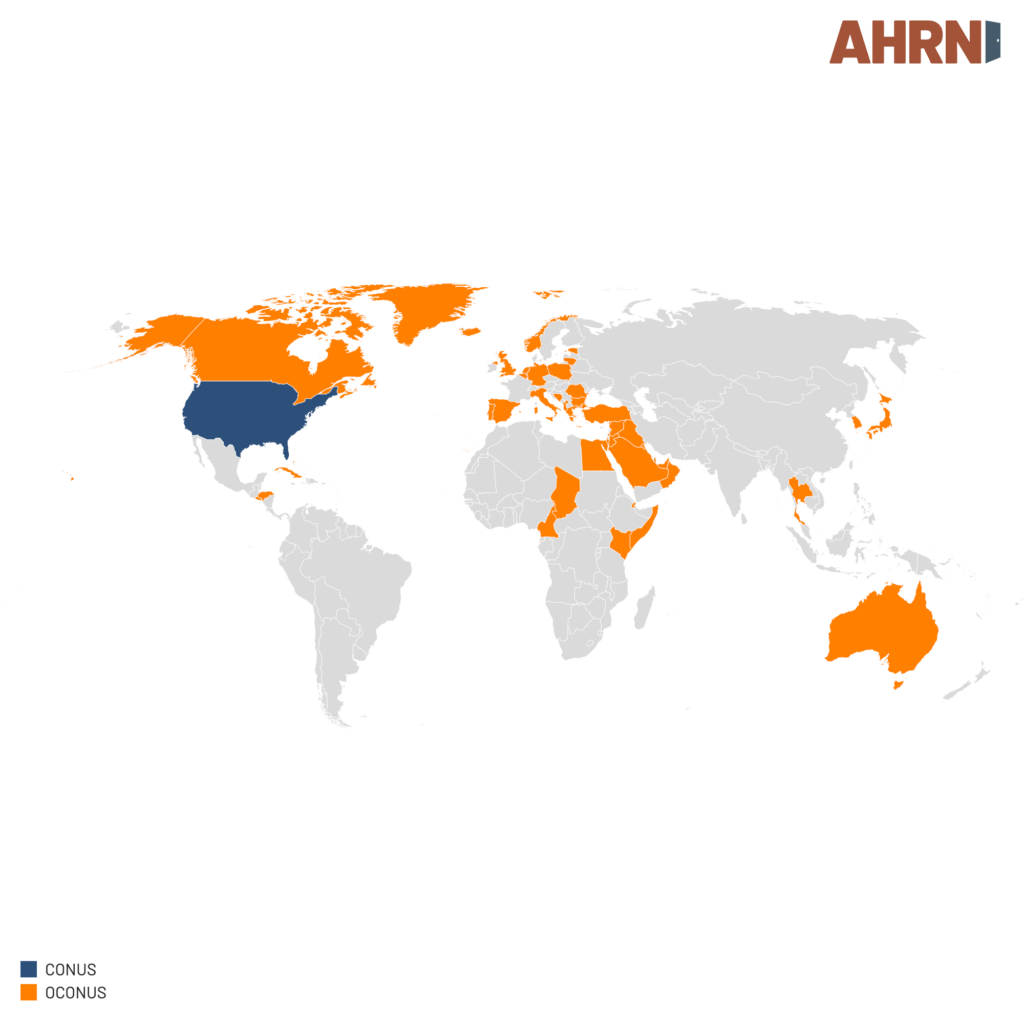
Understanding the OCONUS Classification
The term OCONUS serves a specific bureaucratic purpose, distinguishing between the contiguous 48 states and regions that require transoceanic logistics. Because Hawaii is located roughly 2,500 miles southwest of California, it falls outside the continental definition, regardless of its status as the 50th state of the United States.
Geographic and Political Nuances
The term “Continental United States,” or CONUS, refers to the 48 adjoining states and the District of Columbia. Alaska, while part of the North American continent, is also classified as OCONUS because it does not share a land border with the lower 48. Hawaii, being an island chain in the Pacific Ocean, lacks any land connection to the mainland, making its OCONUS status a permanent fixture for federal planning.
Why the Distinction Matters
For a government employee or a service member stationed at Joint Base Pearl Harbor-Hickam, this classification is not just a semantic detail. It triggers specific administrative protocols:
- Cost of Living Allowances (COLA): Because goods must be shipped across the Pacific Ocean, the cost of daily necessities is significantly higher than in states like Texas or Florida. OCONUS status allows for specialized compensation packages to offset these expenses.
- Logistics and Shipping: Moving household goods to Honolulu or Kailua involves maritime freight rather than standard trucking, necessitating longer lead times and more complex coordination.
Navigating Life in an OCONUS Destination
Choosing to relocate to Hawaii involves an adjustment period that goes beyond the typical cross-country move. As an OCONUS location, the islands offer a unique blend of American infrastructure and a distinct Pacific-island lifestyle.
The Realities of Island Logistics
Living on an island means that supply chain disruptions have a more immediate impact on daily life. Whether you are living in Maui or Oahu, you will quickly notice that the variety of goods available in retail stores is often smaller than what you might find in Los Angeles or Chicago. Many residents rely on frequent shipments from the mainland, which is a direct consequence of Hawaii being OCONUS.

Cultural Integration and Sensitivity
Beyond the logistical definitions, living in Hawaii as a mainland transplant requires an understanding of the local culture. The islands possess a rich history, influenced heavily by Polynesian roots and the legacy of the Kingdom of Hawaii. Residents are encouraged to respect local customs, such as removing shoes before entering homes and participating in the spirit of Aloha, which is fundamental to the social fabric of the islands.
Employment and Relocation Benefits
For those evaluating a job offer, the OCONUS classification can be a significant benefit. Employers often provide relocation packages specifically designed to accommodate the unique challenges of moving to Hawaii.
Tax Considerations and Benefits
In some federal sectors, working OCONUS may allow for specific tax exclusions or deductions that are not available in CONUS locations. It is always recommended to consult with a tax professional who understands the nuances of federal employment in Hawaii. Furthermore, many employees find that the “locality pay” adjustments for Oahu are among the highest in the federal system, a necessary adjustment for the high cost of housing near Waikiki or Kaneohe.
Professional Growth in a Global Setting
Working in an OCONUS location provides a level of professional experience that is highly valued. The ability to manage logistics, communicate across time zones—such as the significant gap between Hawaii and the East Coast—and adapt to a new environment demonstrates resilience and flexibility. Many professionals find that their tenure in Hawaii results in personal growth that far exceeds their original expectations for a standard relocation.
Preparing for the OCONUS Experience
Preparation is the cornerstone of a successful transition to Hawaii. Whether you are moving to Hilo on the Big Island or the bustling metropolitan area of Honolulu, the OCONUS status should be viewed as a gateway to an unparalleled lifestyle rather than a bureaucratic hurdle.
Essential Checklist for New Arrivals
- Shipping Windows: Plan for a 60-to-90-day window for your household goods to arrive via sea freight. Do not expect rapid delivery.
- Vehicle Considerations: Think twice before shipping your vehicle. Many residents find it more cost-effective to purchase a used car upon arrival, as the salt air in Hawaii can be harsh on vehicles transported from more arid climates like Arizona.
- Housing Research: Research the difference between living in transient areas versus residential neighborhoods. Sites like Kailua-Kona or Lahaina offer very different atmospheres than urban centers.

Embracing the Unique Challenges
The beauty of the Hawaiian Islands comes with the responsibility of stewardship. As an OCONUS location, the environment is fragile, and those moving here for work should prioritize sustainable living. From the volcanic peaks of Mauna Kea to the pristine beaches of North Shore, the natural wonders of Hawaii deserve to be protected.
Ultimately, the designation of Hawaii as OCONUS is a testament to its unique geographic position. It is a place that requires a different approach to life, travel, and logistics. By embracing these differences and understanding the administrative realities of the region, residents and professionals can thrive in one of the most stunning locations on Earth. Whether you are arriving for a short-term contract or a permanent change of station, Hawaii offers a life-changing experience that is well worth the logistical preparation required to get there.
LifeOutOfTheBox is a participant in the Amazon Services LLC Associates Program, an affiliate advertising program designed to provide a means for sites to earn advertising fees by advertising and linking to Amazon.com. Amazon, the Amazon logo, AmazonSupply, and the AmazonSupply logo are trademarks of Amazon.com, Inc. or its affiliates. As an Amazon Associate we earn affiliate commissions from qualifying purchases.