
When travelers and history enthusiasts look toward the Pacific, the archipelago of Hawaii often brings to mind pristine beaches, lush volcanic landscapes, and a deep, storied military presence. While the islands are renowned for their tourism, they also serve as a vital strategic hub for the United States Army. Understanding the military geography of the islands adds a significant layer of historical context to any visit to Oahu, the heart of military operations in the region.
The Primary Army Installations on Oahu
The presence of the U.S. military in Hawaii is largely concentrated on the island of Oahu, which houses several major installations. Among these, Schofield Barracks stands as the most prominent active-duty Army base.
Schofield Barracks: The Central Hub
Located in central Oahu near the town of Wahiawa, Schofield Barracks was established in 1908. It serves as the primary home for the 25th Infantry Division. For visitors traveling through the central plains of the island, the base is a massive landmark that occupies a significant portion of the plateau between the Waianae Range and the Koolau Range.
Historically, this base was designed to serve as a mobile defense force for the entire island chain. Today, it remains a bustling center of activity, housing thousands of soldiers and their families. While much of the base is restricted, its proximity to the Dole Plantation makes it a common sight for those driving toward the North Shore.
Fort Shafter: The Command Center
While Schofield Barracks is the center for tactical infantry operations, Fort Shafter serves as the administrative nerve center. Located near Honolulu, Fort Shafter is the oldest military base on the island, having been established in 1907. It currently functions as the headquarters for the United States Army Pacific.
Its architecture is distinct, featuring the historic Palm Circle, which is listed on the National Register of Historic Places. The base is situated on the southern coast, providing an essential link between the military command structure and the civilian infrastructure of the state capital.
Historical Significance and Public Landmarks
The history of the United States Army in Hawaii is inextricably linked to the broader history of the Pacific theater, particularly concerning the events of December 7, 1941. While many visitors equate the military history of the island with the U.S. Navy at Pearl Harbor, the Army played a crucial, often overlooked role in the defense of the islands.
Wheeler Army Airfield
Adjacent to Schofield Barracks is Wheeler Army Airfield. Originally built as a fighter plane base, it was a primary target during the Pearl Harbor attack. Today, it remains an active aviation installation under the jurisdiction of the Army. Visitors interested in aviation history and the military legacy of the Pacific Ocean often find the surrounding areas of central Oahu to be living museums of 20th-century history.
The Role of Military Tourism
For many, the military bases of Hawaii represent more than just active-duty posts; they are destinations that tell the story of the Pacific. While access to active bases is strictly controlled, the surrounding landmarks, such as the Punchbowl Crater—officially known as the National Memorial Cemetery of the Pacific—offer a poignant reflection on the service members who lived and trained at installations like Schofield Barracks and Fort Shafter.
Visiting these areas provides a unique perspective on how the military has shaped the landscape and culture of Hawaii. From the strategic placement of barracks to the memorials scattered throughout Honolulu, the Army’s footprint is permanent and profound.
Strategic Importance in the Modern Era
The strategic importance of Army bases in Hawaii cannot be overstated. As the United States pivots its focus toward the Indo-Pacific region, the facilities on Oahu serve as the primary training grounds for troops tasked with maintaining regional stability.
Joint Training and Readiness
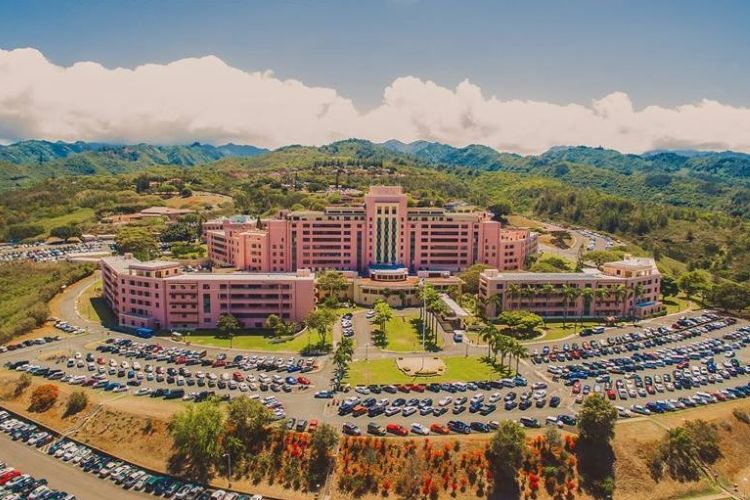
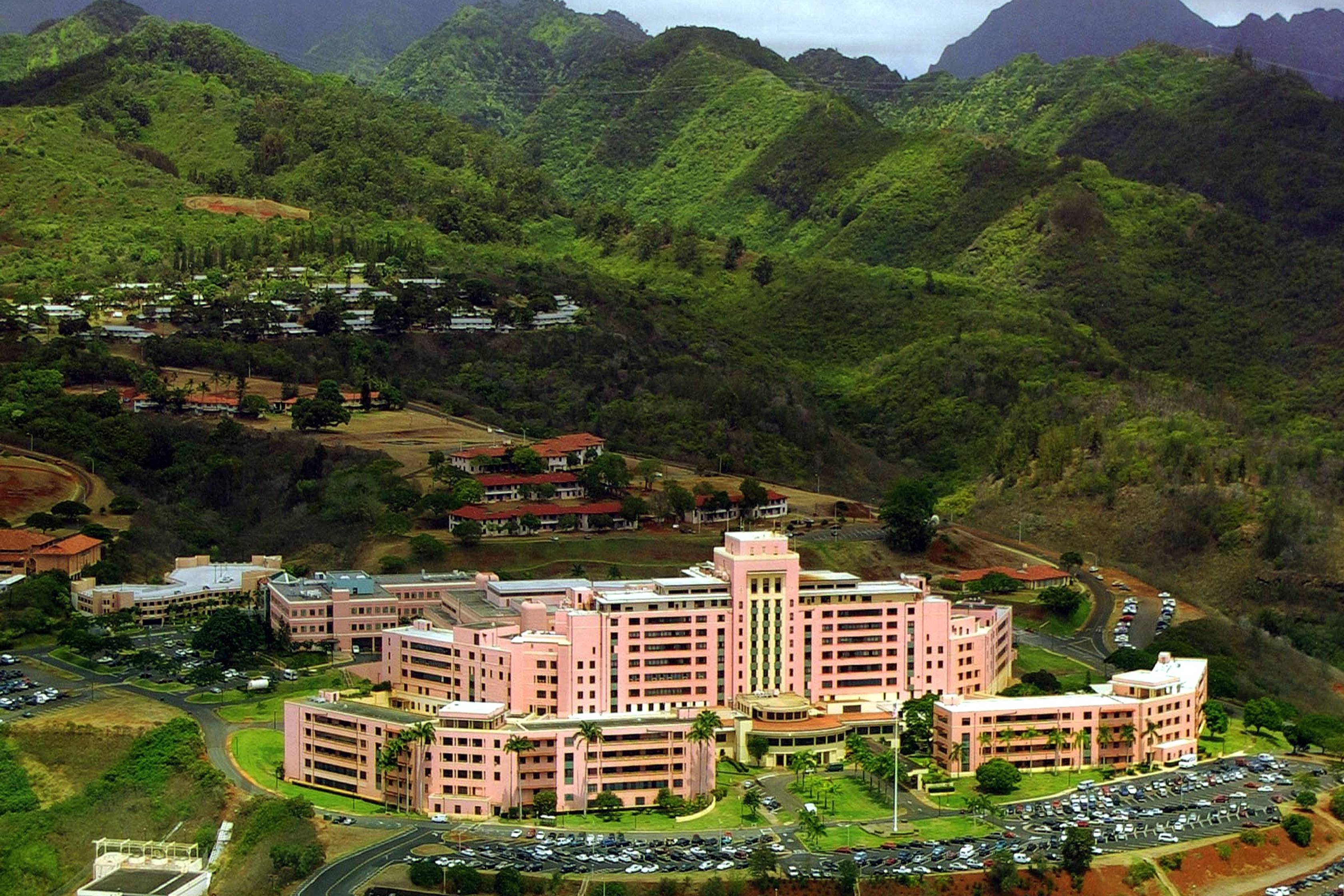
The geography of Hawaii allows for a diverse range of training environments. From the rugged, steep terrain of the Koolau Range to the arid, open fields near Schofield Barracks, soldiers utilize the islands to prepare for the complexities of modern warfare. This readiness is bolstered by the presence of the Tripler Army Medical Center, which is easily identifiable by its striking pink facade overlooking the harbor. This facility is not only a critical medical asset for the military but also a landmark that serves the broader community of the Pacific.
Impact on Local Infrastructure
The Army’s presence influences much of the infrastructure on Oahu. Road networks, utility grids, and even residential development near Wahiawa are shaped by the needs of the military. Travelers exploring the island will notice a blend of local Hawaiian culture and the distinct, structured atmosphere that comes with having major federal installations nearby. This intersection of military life and island living is one of the defining characteristics of modern Oahu.
Visiting Military Sites with Respect
When traveling near military installations, it is essential for visitors to respect the boundaries and regulations of the Department of Defense. While the surrounding scenic areas are beautiful, they are active workplaces.

Guidelines for Travelers
- Respect Security Perimeters: Active bases like Schofield Barracks are gated and monitored. Do not attempt to enter restricted areas.
- Historical Sites: Sites like the National Memorial Cemetery of the Pacific are places of solemn reflection. Observe quiet and follow posted guidelines.
- Appreciation of Culture: The history of the military in Hawaii is complex and deeply personal for many local families. Engaging with the history through museums and public memorials provides a respectful way to learn about the significance of these sites.
By understanding that Schofield Barracks and Fort Shafter are not merely dots on a map but are living, breathing centers of activity, travelers can gain a much deeper appreciation for the role of the United States Army within the broader narrative of the Pacific. Whether you are driving through the high plains of central Oahu or hiking the trails near the bases, the military history of the island is an ever-present, integral part of the landscape.
LifeOutOfTheBox is a participant in the Amazon Services LLC Associates Program, an affiliate advertising program designed to provide a means for sites to earn advertising fees by advertising and linking to Amazon.com. Amazon, the Amazon logo, AmazonSupply, and the AmazonSupply logo are trademarks of Amazon.com, Inc. or its affiliates. As an Amazon Associate we earn affiliate commissions from qualifying purchases.