
For travelers, hikers, and nature enthusiasts exploring the rugged, verdant wilderness of Maine, the presence of venomous wildlife is a common inquiry. As one ventures deeper into the dense forests of Acadia National Park or traverses the winding trails of the Appalachian Trail, the concern regarding local fauna is understandable. The good news for those planning an outdoor excursion to this northeastern state is that Maine stands as a unique sanctuary in the United States, offering a rare peace of mind for hikers.
The Serpent Status in the Pine Tree State
When planning a trip to New England, many visitors prepare for a variety of hazards, ranging from unpredictable weather to dense underbrush. However, the question of venomous snakes is one that carries a definitive answer for those visiting the northernmost point of the region.
A Venom-Free Landscape
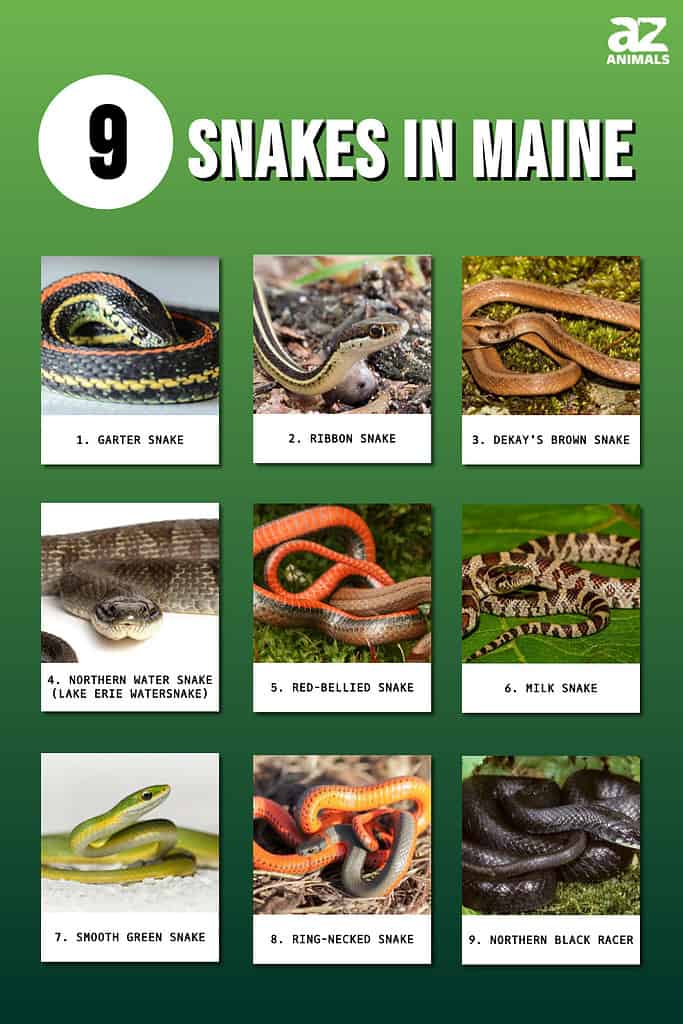
In terms of herpetology, Maine is entirely free of naturally occurring venomous snakes. Unlike many other states in the United States that contend with copperheads, cottonmouths, or various species of rattlesnakes, the climate and geographical history of the Pine Tree State have effectively barred these species from establishing a foothold. Whether you are walking the rocky shores of Bar Harbor or trekking through the vast wilderness of the North Woods, you can rest assured that you will not encounter a snake capable of delivering a medically significant venomous bite.
Environmental Barriers to Colonization
The reason behind the absence of venomous snakes is primarily rooted in the long, brutal winters that define the Maine climate. Venomous snakes generally require longer, warmer growing seasons to effectively gestate their young and reach metabolic requirements for survival during hibernation. The cold, deep freezes experienced in Portland and surrounding regions act as a natural barrier. While non-venomous species have adapted to these sub-zero temperatures, the specialized thermoregulatory needs of pit vipers simply cannot be met in this northern latitude.
Common Reptilian Residents You Might Encounter
While the state is devoid of venomous threats, Maine is home to several non-venomous snake species. For hikers and tourists, encountering these animals can be a fascinating part of the wildlife viewing experience, provided one knows what to look for and understands that these creatures are harmless.
The Garter Snake: A Frequent Trail Companion
The most common snake spotted across the state is the Common Garter Snake. Often found sunning themselves on the rocky paths near Baxter State Park, these snakes are easily identified by their longitudinal stripes. They are entirely harmless to humans and play a vital role in the local ecosystem by controlling insect and small rodent populations.
The Northern Water Snake
Travelers spending time near the lakes and rivers of Rangeley Lake or the Penobscot River may spot the Northern Water Snake. Because they are often found near the water and can sometimes be aggressive if cornered, they are frequently misidentified as venomous. However, they are non-venomous, though it is always best practice to observe them from a distance rather than attempting to handle them.

Identifying the Ring-Necked and Red-Bellied Snakes
These smaller, secretive species are rarely seen unless a hiker is turning over logs or exploring damp, wooded areas. Both the Ring-Necked Snake and the Red-Bellied Snake are small, shy, and pose no threat to the human population. Their presence is a good indicator of a healthy, biodiverse environment within the local forest ecosystems.
Safety and Best Practices for Hikers
Even though there is no risk of venomous snakebites, Maine still presents other wildlife considerations for those traversing its natural wonders. Being an informed traveler is the best way to enjoy a stress-free adventure.
Respecting Wildlife Boundaries
The fundamental rule of wildlife tourism is observation without interference. Regardless of the species, snakes are an essential part of the food chain. If you spot a snake on a trail near Mount Katahdin, the best course of action is to step back and allow the animal to continue on its way. Snakes are typically more afraid of humans than we are of them and will almost always retreat if given a clear path.
Understanding the Broader Ecosystem
While you don’t need to worry about venomous fangs, the Maine wilderness does require preparation regarding other inhabitants. Deer ticks and black flies are, in many ways, a more consistent challenge for the average visitor than any reptilian encounter. Wearing proper clothing, utilizing insect repellent, and conducting tick checks after a day at Camden Hills State Park are far more practical safety measures than worrying about snakebite kits.
When to Seek Information
For those who are particularly interested in the reptilian life of the region, the Maine Department of Inland Fisheries and Wildlife offers extensive resources. If you spot a snake and are unsure of its identity, taking a photo from a safe distance is a better approach than attempting a close-up identification. This protects the animal, preserves your peace of mind, and keeps the wilderness as wild as it was intended to be.
Why Maine Remains a Premier Wilderness Destination
The absence of venomous snakes is a significant factor in why Maine continues to grow as a top-tier destination for families, solo trekkers, and outdoor photographers. It allows visitors to focus on the breathtaking scenery of the Kennebec River Valley and the coastal charm of Kennebunkport without the persistent anxiety of hidden hazards underfoot.
Connecting with Nature
When you walk through the dense canopy of a northern forest, the ability to focus on the sounds of the wind in the trees and the calls of native birds—rather than scanning the ground for threats—is a luxury. It allows for a deeper connection with the natural world. From the coastal cliffs of Quoddy Head State Park to the inland depths of the state, the environment is inviting and accessible.

A Haven for Outdoor Adventure
Whether you are interested in photography, birdwatching, or simply finding a quiet place to retreat from the bustle of modern life, the state provides a safe, welcoming, and vibrant outdoor experience. By removing the fear of venomous encounters, Maine establishes itself as a rare, accessible wilderness that encourages exploration for all skill levels. As you pack your gear for your next trip, you can leave the snake-bite worries behind and focus on the true treasures of the Northeast—the pristine lakes, the towering mountains, and the serene, untouched beauty of the Atlantic coastline.
LifeOutOfTheBox is a participant in the Amazon Services LLC Associates Program, an affiliate advertising program designed to provide a means for sites to earn advertising fees by advertising and linking to Amazon.com. Amazon, the Amazon logo, AmazonSupply, and the AmazonSupply logo are trademarks of Amazon.com, Inc. or its affiliates. As an Amazon Associate we earn affiliate commissions from qualifying purchases.