
The evolution of modern travel has blurred the lines between utility and experience. As travelers increasingly seek to maximize the value of their spending, the intersection of loyalty programs, credit card rewards, and hospitality has become a complex landscape. One specific question often arises in the minds of points-savvy enthusiasts: Do hotels count as “Travel” under the Bilt Rewards ecosystem? Understanding how your nightly rate, room service, and resort fees are categorized is essential for those looking to optimize their points accumulation and effectively bridge the gap between accommodation spending and future travel rewards.
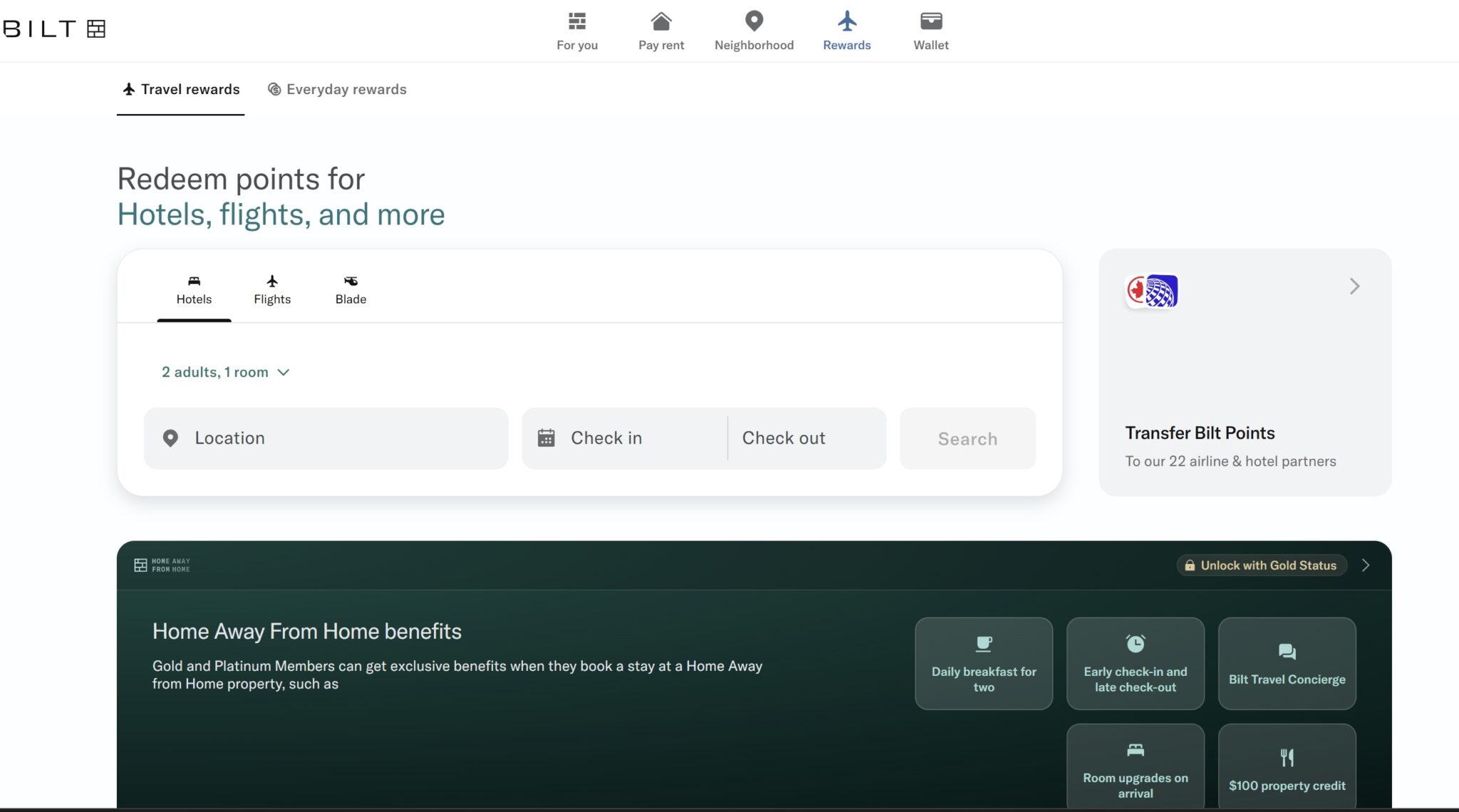
Understanding Merchant Category Codes and Travel Classification
To answer whether hotels count toward specific travel rewards, one must first understand the mechanism of Merchant Category Codes (MCCs). These four-digit codes are assigned by payment processors to classify the nature of a business. When you tap your card at a property like the The Ritz-Carlton or a boutique stay in Paris, the payment terminal transmits an MCC that tells the credit card issuer exactly what kind of service you purchased.
The Standard Travel Definition
In the world of credit cards and loyalty programs, “Travel” is a broad umbrella. It typically includes airlines, car rental agencies, passenger railways, and, crucially, hotels. When you book a stay at Marriott International or Hilton Worldwide, the transaction is almost universally coded under lodging or travel categories. However, the nuance lies in whether the reward program treats these charges as qualified “travel” for the purpose of bonus points or specific reward redemption milestones.
Third-Party Booking Challenges
The complication often arises when utilizing third-party booking platforms like Expedia or Booking.com. While you are technically paying for accommodation, the merchant of record is often the travel agency rather than the hotel itself. Consequently, the transaction might be coded as “Travel Agency” rather than “Lodging,” which can sometimes result in the charge not triggering the specific travel-related multipliers or status credits that direct bookings might receive.
Optimizing Your Stay for Maximum Rewards
If you are aiming to make your accommodation expenses count as travel for reward purposes, the strategy requires precision. Whether you are checking into a property in New York City or a villa in Bali, the method of payment and the booking channel are the two most critical variables.
Booking Directly vs. Aggregators
Direct booking is generally the safest way to ensure your expenditure is categorized correctly as lodging. By booking directly through the website of Hyatt Hotels Corporation or Four Seasons Hotels and Resorts, you ensure that the hotel brand is the merchant of record. This consistency provides the highest likelihood that the transaction will be recognized as travel, allowing you to stack your loyalty benefits—such as room upgrades or late check-outs—alongside your credit card’s point-earning potential.

The Role of Ancillary Charges
Many travelers wonder if extras like spa treatments, dining at the hotel restaurant, or parking fees count toward their travel spend. In most cases, if these charges are billed to your room folio and settled upon checkout as a single transaction with the hotel, they are coded as part of the total lodging expenditure. This is a common tactic for maximizing points: by charging your dinners and spa treatments to your room at properties like The St. Regis, you consolidate all your spending into one “Travel” category charge, potentially earning a higher multiplier on the entire amount.
The Bilt Ecosystem and Strategic Travel Spending
For those specifically focused on the Bilt ecosystem, the goal is to integrate rent payments with broader travel aspirations. While Bilt is unique for its ability to earn points on rent, it also functions as a robust travel credit card. Knowing whether your hotel stays count as travel within this specific framework is vital for those planning their next vacation to Tokyo or London.
Qualifying for Travel Points
When using a Bilt Mastercard for hotel stays, the card is designed to recognize and reward standard travel categories. Because hotels are foundational to the travel industry, their merchant codes are almost always compatible with the card’s travel rewards structures. Whether you are staying at a major chain like InterContinental Hotels Group or a smaller, independent boutique property, your hotel spend is designed to be recognized as part of your overall travel footprint.
Strategic Considerations for High-Value Stays
If you are planning an expensive stay—perhaps a luxury getaway to The Maldives—it is worth verifying the MCC of the specific resort beforehand if possible. For high-ticket items, ensuring that the property is coded correctly as a hotel or resort ensures that you are capturing every possible point on that significant expenditure. Always consider using your Bilt card for the deposit and the final checkout balance to ensure the transaction history is clean and correctly categorized for your monthly statement.
Why Classification Matters for Long-Term Value
The classification of hotels as travel is not merely a technicality; it is a pillar of travel hacking and effective personal finance. By treating your accommodation as a high-earning category, you transform a necessary cost of travel into a reinvestment vehicle.
Building Your Points Bank
Every stay at a property managed by Accor or Wyndham Hotels and Resorts should be viewed as an opportunity to pad your travel fund. When your hotel spend is recognized as “Travel,” it unlocks the ability to use your points for future flights, upgrades, or even future hotel stays. This circular economy of travel spending—spending on hotels to earn points that pay for future hotels—is the core advantage of the modern points enthusiast.

Navigating Future Changes
The landscape of merchant coding is subject to change. As Visa, Mastercard, and American Express refine their categories, staying informed is key. While hotels are currently and consistently categorized as travel, always keep an eye on your reward statements. If you notice a particular independent property is being coded as “Entertainment” or “Miscellaneous” instead of “Lodging,” it might be a sign to adjust your payment method for that specific destination.
Ultimately, hotels are not just an extension of your travel experience; they are a critical component of your financial travel strategy. By booking directly, consolidating your ancillary expenses into your room folio, and remaining mindful of how your transactions are categorized, you ensure that every night spent away from home—whether in Rome or San Francisco—actively contributes to your ability to explore the world further. When you treat your accommodation as a strategic asset, you turn the simple act of checking in into an investment in your next great adventure.
LifeOutOfTheBox is a participant in the Amazon Services LLC Associates Program, an affiliate advertising program designed to provide a means for sites to earn advertising fees by advertising and linking to Amazon.com. Amazon, the Amazon logo, AmazonSupply, and the AmazonSupply logo are trademarks of Amazon.com, Inc. or its affiliates. As an Amazon Associate we earn affiliate commissions from qualifying purchases.