
The landscape of travel has shifted dramatically toward digital transactions. From mobile wallets and contactless credit cards to pre-paid booking platforms, the modern traveler often navigates their journey without touching a physical banknote. However, for those who prefer the anonymity of physical currency, the question of whether one can pay for a hotel with cash remains a frequent point of confusion. While the digital age is dominant, the reality of hotel policies is nuanced, varying significantly by brand, location, and the specific property’s operational structure.
The Reality of Cash Payments in the Modern Hotel Industry
In the contemporary hospitality sector, particularly within major chains like Marriott International or Hilton Worldwide, the “cash-free” movement has gained significant momentum. Many properties have transitioned to credit-card-only policies for both bookings and incidental deposits. This shift is primarily driven by operational efficiency, security concerns, and the need to mitigate risks associated with currency handling.
Why Hotels Are Moving Away From Cash
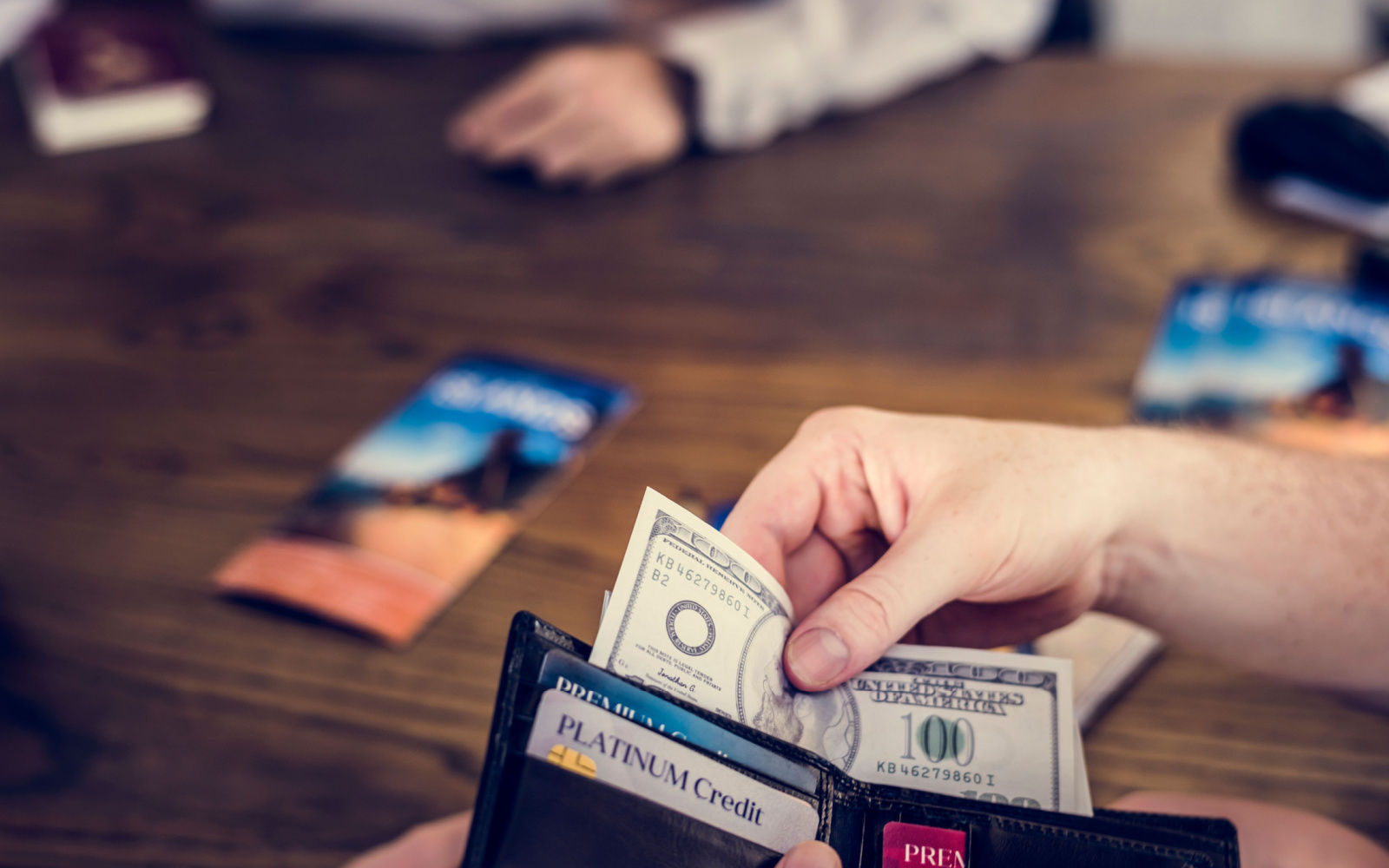
For a hotelier, cash represents a logistical burden. Counting registers, securing vaults, and managing the transport of physical money creates overhead and liability. Furthermore, hotels require a method to hold a “security deposit” against potential damages, minibar usage, or late checkout fees. A credit card provides a guaranteed line of credit that a stack of bills simply cannot offer. Consequently, if you are planning a trip to a major metropolitan hub like New York City or London, do not be surprised if the front desk politely declines cash as a form of payment or a guarantee.
The Role of Incidental Deposits
It is critical to distinguish between paying for the room rate and providing an incidental deposit. Even if a hotel allows you to pay for your night’s stay in cash, they will almost universally require a credit card or a significant cash deposit at check-in to cover potential incidentals. This deposit can range from $50 to several hundred dollars per night depending on the luxury level of the property. If you do not possess a credit card, many establishments will insist on a debit card or a substantial cash deposit that is only returned upon a final room inspection at checkout.
Navigating Policies by Property Type and Geography
The ability to use cash is often dictated more by the property type and the destination than by the brand itself. Boutique hotels often operate under different mandates than massive resort properties.
Boutique Hotels vs. Large Chains
Smaller, independent properties in areas such as Provence or Kyoto are often more flexible. These owners may prioritize personal service and guest satisfaction over the rigid protocols found at a Ritz-Carlton or a Four Seasons Hotel. In these smaller environments, cash is frequently accepted for the final balance, provided you have established a form of identification or a deposit method earlier in the booking process.
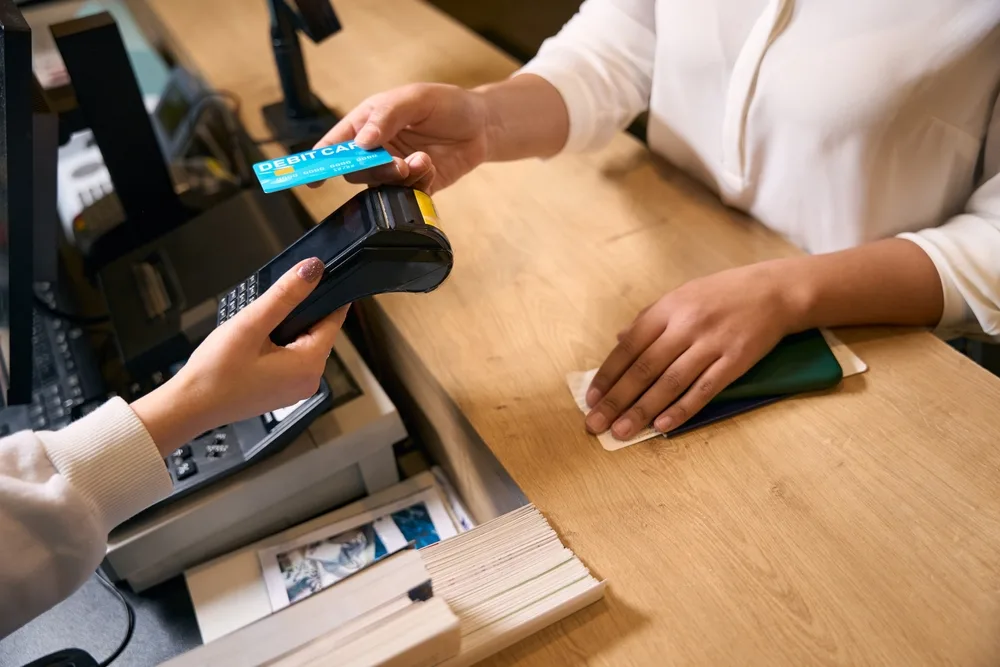
Conversely, large-scale resorts in regions like Las Vegas or Dubai are almost strictly automated. Because these locations manage thousands of transactions daily, their check-in kiosks and internal auditing systems are hard-wired for plastic. Attempting to negotiate a cash payment at a massive resort property is likely to result in frustration, as the frontline staff rarely has the authorization to bypass the digital check-in interface.
International Considerations and Local Currencies
When traveling internationally, the rules change again. In countries where cash is still the primary vehicle for daily commerce, such as parts of Southeast Asia or rural regions of South America, cash is more readily accepted at guesthouses and mid-range accommodations. However, major international airports and tourist hotspots like Singapore or Paris are rapidly becoming cashless environments. Always research the local financial norms of your destination before assuming your stash of physical currency will be sufficient to secure a roof over your head.
Best Practices for Cash-Reliant Travelers
If you are a traveler who prefers to utilize cash, or if you find yourself in a situation where you lack access to traditional credit instruments, there are strategic ways to ensure your stay remains seamless.
Contact the Property in Advance
The most effective strategy is proactive communication. Never assume a “cash-friendly” status based on the general policy of a hotel brand. Contact the specific property at least 48 hours before your arrival. Ask clearly: “Do you accept cash for the room rate?” and “What is the policy for incidental deposits if I do not have a credit card?” By speaking to a front desk manager, you can often arrange for a higher cash deposit to be held in lieu of a credit card, which can then be returned to you in full upon departure.
Utilize Prepaid Cards or Debit Cards
If you are avoiding credit cards for personal financial reasons, consider using a high-limit debit card or a prepaid travel card. Most hotels that refuse cash will accept a debit card, provided it carries a Visa or Mastercard logo. The hotel will place a “hold” on the funds in your account—effectively freezing that amount—so ensure your balance is sufficient to cover both the room charges and the required security deposit. This method mimics the convenience of a credit card while allowing you to maintain control over your liquid funds.
Carry Proper Documentation
If you are relying on cash, you are often viewed as a higher-risk guest by hotel automated systems. Compensate for this by having clear, professional identification. A valid passport or government-issued photo ID is non-negotiable. If you have booked through a third-party site like Booking.com or Expedia, ensure that your reservation is fully prepaid. When a room is already paid for via a platform, some hotels are much more comfortable accepting a cash deposit for incidentals because the primary financial commitment has already been honored.
Final Thoughts on Financial Flexibility
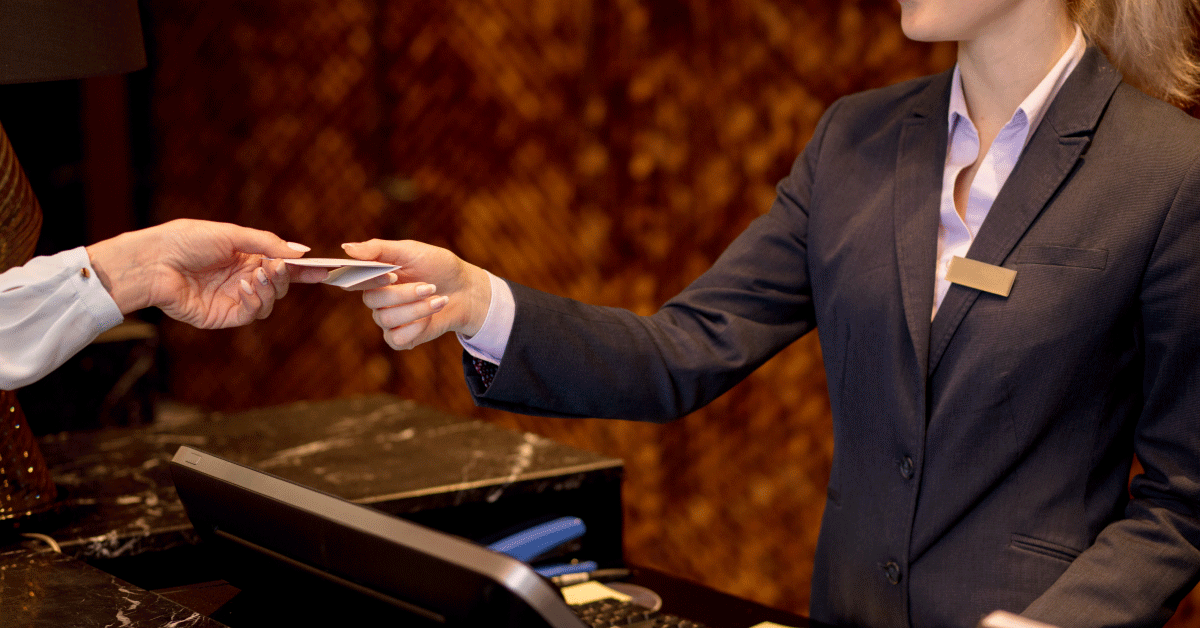
While the digital shift provides speed and convenience for the majority, the physical banknote still holds a place in the travel world, albeit a shrinking one. The hospitality industry is ultimately a service-oriented sector; if you are honest, prepared, and communicate your needs before arriving at the lobby of your chosen Sheraton Hotel or Hyatt Regency, you will find that most staff are willing to work with you.
The key to a successful, stress-free stay is preparation. By understanding that cash payments are an exception rather than the rule, you can adjust your planning accordingly. Whether you are exploring the historic streets of Rome or the beaches of Bali, knowing your financial options ensures that your focus remains on the destination, not the check-in desk. When in doubt, always have a secondary payment method, such as a debit card, to act as a safety net—allowing you to enjoy your travels without the burden of financial friction.
LifeOutOfTheBox is a participant in the Amazon Services LLC Associates Program, an affiliate advertising program designed to provide a means for sites to earn advertising fees by advertising and linking to Amazon.com. Amazon, the Amazon logo, AmazonSupply, and the AmazonSupply logo are trademarks of Amazon.com, Inc. or its affiliates. As an Amazon Associate we earn affiliate commissions from qualifying purchases.