
When packing for a long-awaited vacation in Paris or a business trip to Tokyo, most travelers obsess over packing lists, itinerary planning, and securing reservations at top-rated restaurants. However, in recent years, a growing subset of travelers has added a more paranoid task to their arrival routine: sweeping their temporary quarters for illicit surveillance devices. Viral videos on social media platforms like TikTok and Instagram frequently showcase travelers discovering tiny lenses hidden inside smoke detectors, alarm clocks, and television sets. This begs the question: just how common are hidden cameras in hotels, and is this a genuine epidemic or an overblown internet panic?
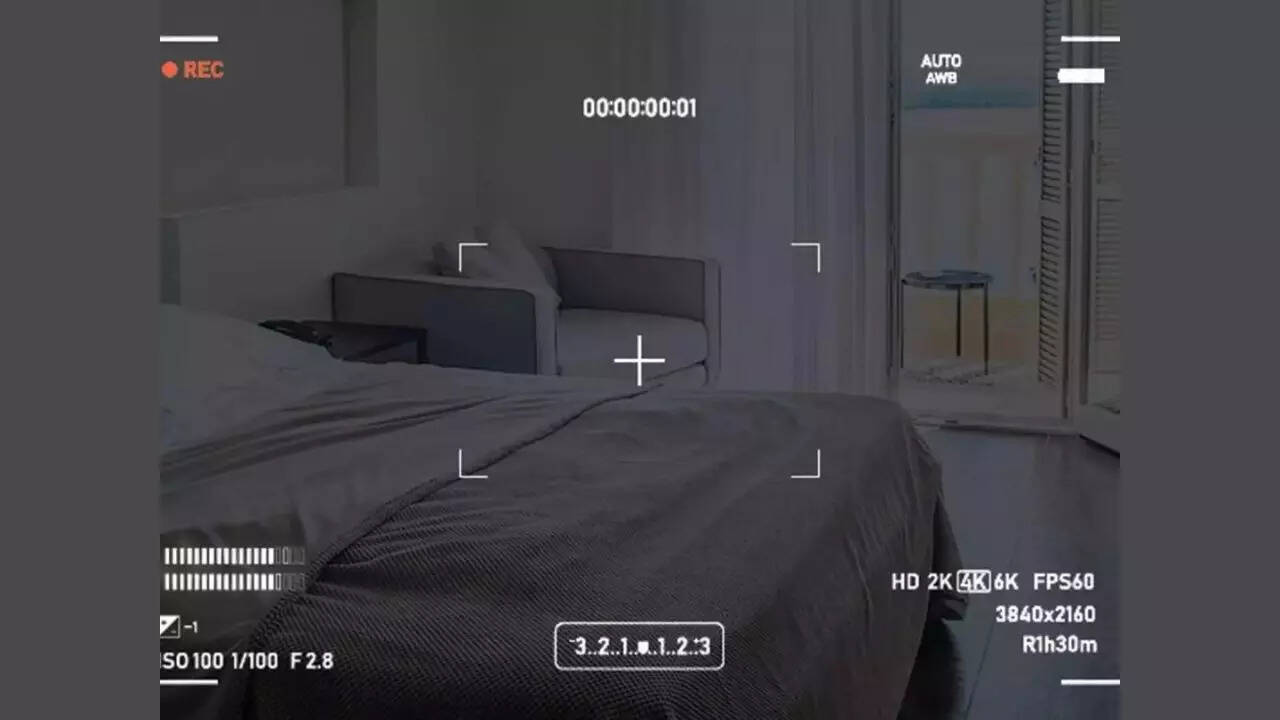
Understanding the reality of surveillance in temporary accommodations requires looking past the sensationalized headlines and examining actual statistics, criminal motivations, and practical detection methods. While the hospitality industry maintains strict standards of privacy, the miniaturization and affordability of modern technology mean that bad actors do occasionally exploit hotel rooms.
The Statistical Reality vs. Viral Sensationalism
To evaluate the prevalence of hidden cameras in commercial lodgings, cybersecurity experts and law enforcement agencies often look at reported cases versus the sheer volume of global travel. Billions of hotel nights are booked annually across major international chains like Marriott International, Hilton Worldwide, and independent properties worldwide. Within this massive ecosystem, confirmed instances of illicit recording devices discovered by guests are statistically rare.
That being said, “rare” does not mean “non-existent.” Law enforcement agencies in countries like [South Korea](https://lifeoutofthebox.com/south- korea) have dedicated significant resources to combating illegal filming, known locally as molka, which occasionally targets motels and public restrooms. In response to public concern, governments and property owners in tourist hubs like Seoul and Jeju Island have implemented routine inspections. However, in Western nations and major global tourist destinations such as London, New York City, and Las Vegas, confirmed cases involving traditional hotel brands remain isolated incidents rather than systemic plagues.
Who Plants Hidden Cameras and Why?
The perpetrators behind illegal surveillance in temporary lodgings typically fall into three distinct categories:
- Deranged Individuals: Disgruntled employees, rogue maintenance workers, or previous guests who managed to slip into a room briefly to install a device for personal gratification.
- Blackmailers and Extortionists: Criminals targeting high-profile guests, executives, politicians, or wealthy tourists staying in luxury properties like the Ritz-Carlton or the Four Seasons to capture compromising footage for financial extortion.
- Spies and Competitors: Corporate espionage targeting business travelers discussing proprietary information or sensitive negotiations within their suites.
Despite these terrifying scenarios, major hotel conglomerates maintain rigorous security protocols. Housekeeping supervisors, maintenance teams, and loss prevention departments conduct regular sweeps. Brands like Hyatt Hotels and InterContinental Hotels Group face catastrophic financial and reputational damage if a privacy breach is discovered on their premises, creating a strong corporate incentive to prevent such incidents.
High-Risk Locations vs. Safe Havens
Not all accommodations carry the same level of risk. While corporate-owned hotels maintain strict oversight, the explosive growth of peer-to-peer vacation rentals has shifted the landscape of digital privacy concerns.
Traditional Hotels vs. Vacation Rentals
When comparing traditional brick-and-mortar hotels to short-term rental platforms, security experts generally agree that traditional hotels present a much lower risk for hidden surveillance.
- Traditional Hotels: Rooms feature standardized layouts, commercial-grade furnishings, and centralized management. Staff members enter rooms daily for housekeeping, making it exceptionally difficult for anyone to clandestinely install wired recording equipment or modify fixtures.
- Vacation Rentals: Private apartments and homes managed by individual hosts offer much longer windows of unsupervised vacancy between guests. This provides ample opportunity for unscrupulous hosts or previous visitors to tamper with smoke detectors, electrical outlets, or decorative items.
Common Hiding Spots to Watch For
Regardless of where you stay—whether it is a boutique property in Rome or a beach resort in Cancun—certain objects are frequently repurposed to conceal miniature lenses. Understanding where cameras are typically hidden helps demystify the threat and focuses attention where it actually matters.
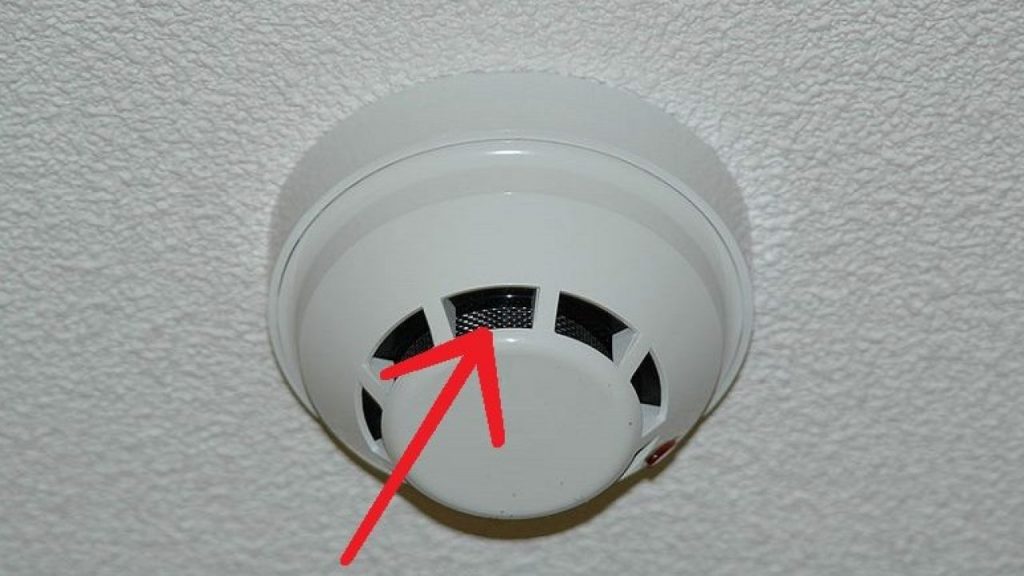
- Smoke Detectors and Carbon Monoxide Alarms: Positioned on the ceiling, these devices offer a wide, downward-facing angle of the entire room. While tampering with them is a severe fire hazard, rogue actors sometimes attach pinhole lenses to the casing.
- Alarm Clocks and Electronic Hubs: Bedside clocks facing the bed are prime targets. Modern smart speakers and charging stations also provide ample internal space for small circuit boards and camera modules.
- Televisions and Entertainment Centers: TVs directly face the bed or main seating area. Lenses can be disguised as power indicators, infrared sensor windows, or ventilation grilles.
- Decorative Items: Picture frames, wall art, artificial plants, and tissue box covers are easily hollowed out to conceal battery-operated Wi-Fi cameras.
Practical Detection and Prevention Strategies
Rather than living in constant fear or ruining your holiday with obsessive investigations, travelers can adopt a balanced, methodical approach to room security. You do not need expensive military-grade counter-surveillance equipment to ensure your privacy.
The Low-Tech Visual Inspection
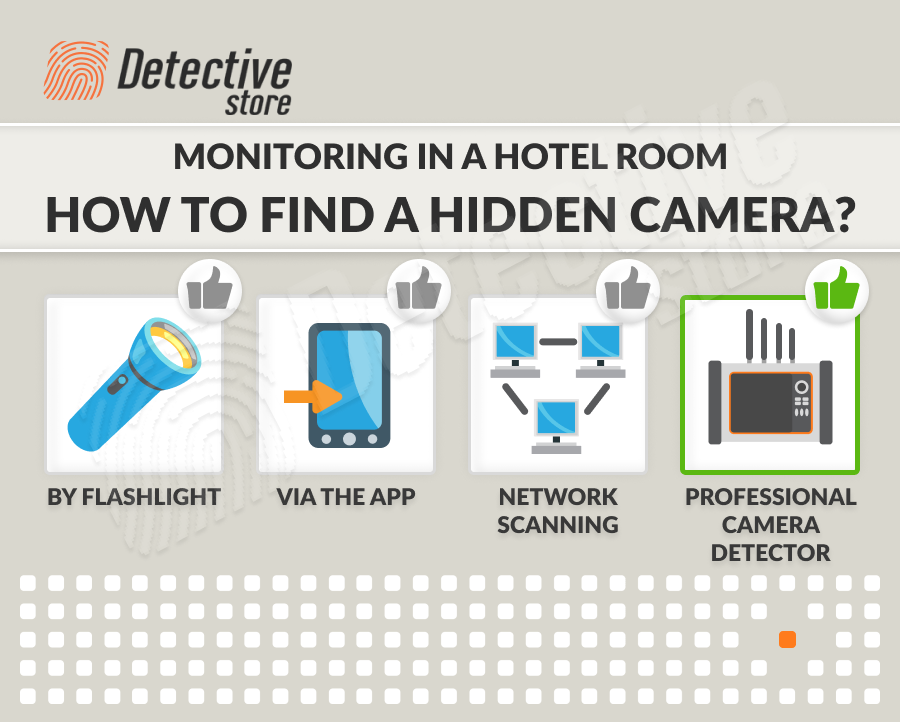
The vast majority of hidden cameras can be uncovered with nothing more than a flashlight and a keen eye. Upon entering your room—whether you are checking into a property in Sydney or Barcelona—perform a five-minute sweep:
- Turn off the lights: Draw the curtains, turn off all lamps, and make the room as dark as possible.
- Use your smartphone flashlight: Shine the light slowly across suspicious objects, smoke detectors, mirrors, and electronic devices.
- Look for lens glint: A camera lens is made of glass and will reflect a distinct, bright blue or purple light back at you when illuminated in the dark.
Utilizing Technology and Apps
For tech-savvy travelers, several digital tools can assist in identifying unauthorized devices connected to the local network.
- Network Scanners: Apps like Fing allow you to scan the local Wi-Fi network. If you see unknown devices—such as unbranded cameras, generic computers, or suspicious IP addresses—logged into the hotel’s Wi-Fi, it warrants a closer look. However, keep in mind that many modern hotels use smart TVs, automated lighting systems, and IoT thermostats that populate network scans legitimately.
- RF Signal Detectors: Radio Frequency (RF) detectors pick up wireless transmissions. If a camera is streaming footage via Wi-Fi or cellular data, an RF detector will register a signal spike when held close to the transmitting device.
What to Do If You Find a Camera
If your inspection reveals a confirmed or highly suspicious recording device, do not panic or tamper with it excessively. Take clear photographs and videos of the device in its original position. Immediately contact hotel management from your mobile phone and request a room relocation or a full refund. If the hotel is uncooperative, contact local law enforcement to file an official report. For travelers abroad in countries where language barriers exist, contacting your embassy or consulate can provide guidance.
Ultimately, while the threat of hidden cameras in hotels is real, it remains statistically infrequent, particularly in reputable commercial properties. By maintaining a healthy awareness, performing a quick visual scan upon arrival, and choosing established accommodations, travelers can enjoy their journeys with complete peace of mind.
LifeOutOfTheBox is a participant in the Amazon Services LLC Associates Program, an affiliate advertising program designed to provide a means for sites to earn advertising fees by advertising and linking to Amazon.com. Amazon, the Amazon logo, AmazonSupply, and the AmazonSupply logo are trademarks of Amazon.com, Inc. or its affiliates. As an Amazon Associate we earn affiliate commissions from qualifying purchases.