
Planning a trip between Los Angeles and San Francisco is a classic rite of passage for any traveler exploring the United States. Spanning the iconic coastline of California, this route offers a dramatic transition from the sprawling, sunshine-soaked urbanity of the south to the misty, intellectual hills of the north. Understanding the distance is the first step in crafting the perfect West Coast itinerary.
Navigating the Distance: Routes and Travel Times
Depending on your mode of transportation and the path you choose, the distance between these two major hubs can vary significantly. Generally, the journey covers between 380 and 450 miles. How you traverse this expanse depends entirely on whether your priority is speed, efficiency, or the scenery.
The Interstate 5 Corridor: The Efficient Choice
For those looking to get from point A to point B as quickly as possible, Interstate 5 is the standard route. Spanning roughly 380 miles, this drive takes approximately six to seven hours in clear traffic. It cuts through the heart of the Central Valley, passing agricultural landscapes and vast fields. While it is the most efficient way to travel by car, it is often viewed as purely utilitarian, lacking the dramatic views found elsewhere.
Highway 101: The Middle Ground
Highway 101 offers a balance between speed and scenery. Running slightly inland but parallel to the coast, it traverses charming coastal towns and lush valleys. Travelers often prefer this route because it avoids the monotony of the Central Valley while still allowing for a faster transit time than the winding cliffside roads. This drive typically takes around eight hours, depending on stops.
The Pacific Coast Highway: The Scenic Journey
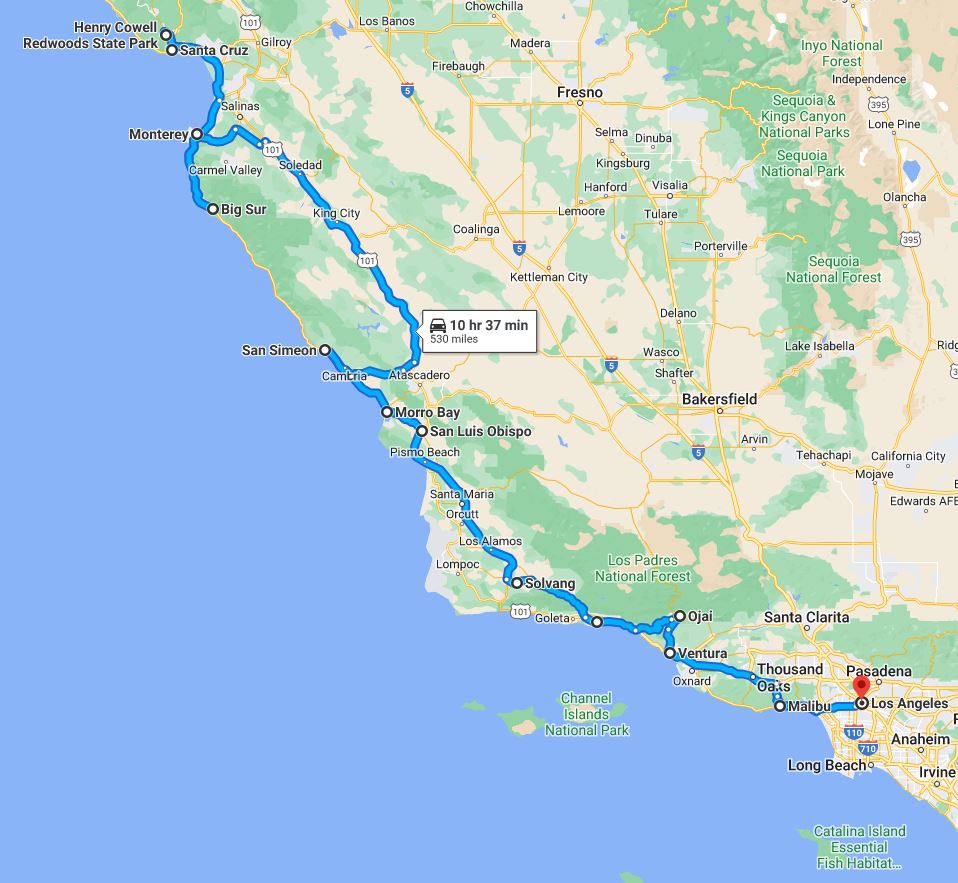
For the quintessential West Coast experience, the Pacific Coast Highway, also known as California State Route 1, is the undisputed choice. This route is not about speed; it is about the journey. Covering the coastline, it winds through Big Sur, Monterey, and Santa Barbara. While the distance in miles is roughly 450, the time commitment is significantly higher. Most travelers spend at least two days completing this drive, stopping at viewpoints, state parks, and seaside villages.
Essential Stops and Landmarks Along the Way
Whether you choose the rapid pace of the freeway or the leisurely crawl of the coast, the journey between Los Angeles and San Francisco is punctuated by incredible destinations that deserve a spot on your itinerary.
Coastal Gems and Cultural Hubs
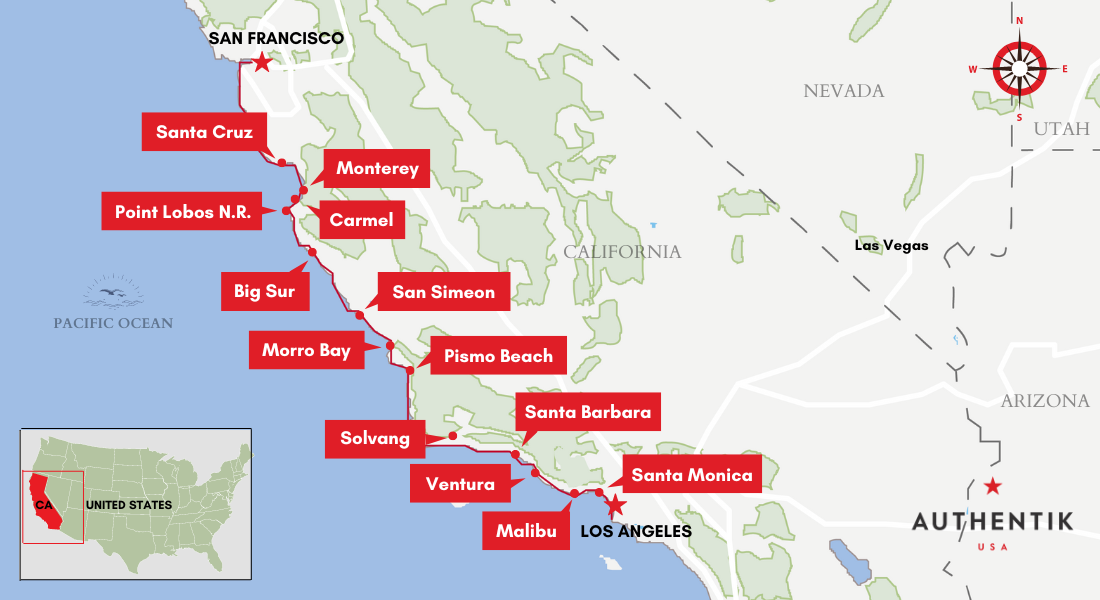
If you are driving along the coast, Santa Barbara is an essential stop. Known for its Spanish colonial architecture and red-tiled roofs, it serves as the perfect mid-way point for a lunch break or an overnight stay. Further north, the town of San Luis Obispo offers a charming downtown area and the famous Madonna Inn.
As you move closer to the northern end of your trip, Monterey provides access to world-class attractions like the Monterey Bay Aquarium. Just a short drive away, the scenic 17-Mile Drive features the legendary Lone Cypress and the world-renowned Pebble Beach Golf Links.
Iconic Landmarks for the Road-Tripper
The stretch through Big Sur is perhaps the most visually arresting portion of the trip. The Bixby Creek Bridge stands as a monument to engineering and beauty, often serving as a focal point for photographers. Further south, the Hearst Castle in San Simeon offers a glimpse into the lavish lifestyle of the early 20th century. For nature enthusiasts, the Elephant Seal Vista Point provides a unique opportunity to witness marine wildlife in their natural habitat.
Alternative Transportation Methods
If driving is not on your agenda, several other methods exist to cover the distance between these two giants of California.
Rail Travel: The Scenic Train
Amtrak offers the Coast Starlight line, which connects the two cities. This train journey is widely considered one of the most beautiful rail routes in the country. It winds through coastal valleys and mountain passes that are inaccessible by car. While the train takes longer than driving—usually around 10 to 12 hours—the comfort of the observation car and the ability to relax without the stress of navigating traffic makes it a favorite for those who value the travel experience over efficiency.
Air Travel: Efficiency Redefined
For business travelers or those on a tight schedule, flying is the most practical option. A flight from Los Angeles International Airport to San Francisco International Airport typically takes just over an hour in the air. When factoring in transit to the airports and security procedures, the total travel time is usually around four hours. Major carriers operate frequent shuttles between these hubs, ensuring that you can reach your destination with minimal disruption to your plans.
Bus and Intercity Services
For the budget-conscious traveler, various bus services provide affordable transport between these cities. While not as fast as a flight or as scenic as a private car, these buses offer a reliable way to travel. Most services provide amenities such as Wi-Fi and power outlets, allowing travelers to catch up on work or entertainment while traversing the distance.
Planning Your Itinerary: Tips for Success
Regardless of how you choose to travel, the success of your trip relies on careful planning. Here are a few expert tips for navigating the route between Los Angeles and San Francisco.
Timing Your Departure
Traffic in California is notorious, particularly around the urban hubs. Attempting to leave either city during morning or evening rush hours can add significant time to your journey. If driving, try to time your departure for mid-morning or mid-day to avoid the worst congestion on the freeways.
Weather Considerations
The coastal climate can be unpredictable. While Southern California remains largely temperate and sunny, the coast near San Francisco is famous for its rolling fog, known locally as “Karl.” If you are planning a trip along the Pacific Coast Highway, check weather reports, as coastal fog can significantly reduce visibility and change the driving conditions.
Accommodations and Reservations
If you decide to take the scenic route, treat your journey as a multi-day expedition rather than a single drive. Book your stays well in advance, especially during peak tourist seasons or summer holidays. Locations like Big Sur have limited lodging, and these spots often fill up months ahead of time. Whether you prefer a luxury resort, a cozy bed and breakfast, or a rustic campsite, planning ahead ensures you can fully enjoy the stops along the way without the pressure of finding last-minute vacancies.

Final Thoughts on the Journey
Ultimately, the distance between these two iconic cities is more than just a measurement of miles. It is a transition between two distinct cultures and landscapes. By choosing the route that best suits your travel style—whether it is the speed of the Interstate 5, the scenic beauty of the coast, or the ease of rail travel—you transform the journey from a chore into a highlight of your American adventure. Regardless of how you choose to move between these two points, the diversity of the scenery ensures that your time spent traveling will be just as memorable as your time at your destination.
LifeOutOfTheBox is a participant in the Amazon Services LLC Associates Program, an affiliate advertising program designed to provide a means for sites to earn advertising fees by advertising and linking to Amazon.com. Amazon, the Amazon logo, AmazonSupply, and the AmazonSupply logo are trademarks of Amazon.com, Inc. or its affiliates. As an Amazon Associate we earn affiliate commissions from qualifying purchases.