
Understanding the meteorological patterns of New York is essential for any traveler planning to navigate the urban landscape of the most vibrant metropolis in the United States. Because of its location on the Atlantic coast, the city experiences a humid subtropical climate that is defined by four distinct, dramatic seasons. Whether you are aiming to visit the Empire State Building under a crystal-clear spring sky or walk through Central Park amidst the fiery foliage of autumn, knowing what to expect from the elements will define the success of your excursion.
The Seasonal Rhythm: A Year in the City
The climate in New York City is characterized by high variability. The proximity to the Atlantic Ocean acts as a buffer, yet the city remains susceptible to continental air masses that bring sweltering summers and biting winters.
Spring: A Brief Awakening
Spring in the city, typically lasting from April to early June, is a time of transition. Temperatures begin to climb from the chilly lows of March into the comfortable mid-60s and 70s Fahrenheit. However, spring is notoriously unpredictable. One day might offer a warm, sun-drenched afternoon perfect for a stroll across the Brooklyn Bridge, while the next could bring a cold, damp rain known locally as “April showers.” Packing layers is the golden rule here; a lightweight trench coat or a versatile windbreaker will be your most valuable asset during this season.
Summer: The Urban Heat
Summer in New York is intense, humid, and full of energy. From late June through August, temperatures frequently soar above 85°F, and the “urban heat island” effect—where concrete and steel trap warmth—can make the streets feel significantly hotter than the surrounding suburbs. While the heat can be draining, it is also the season of outdoor festivals, rooftop bars, and vibrant street life. If you plan on visiting iconic sites like the Statue of Liberty, ensure you stay hydrated and seek out the cooling reprieve of the city’s many air-conditioned museums, such as the Metropolitan Museum of Art.
Autumn: The Golden Window
Many seasoned travelers consider autumn to be the absolute best time to visit the city. From late September through November, the humidity drops significantly, replaced by crisp, refreshing air and brilliant blue skies. The transition brings out the stunning colors in parks throughout the city, making it the perfect time for photography. It is arguably the most comfortable time to explore the historic neighborhoods of Greenwich Village or the bustling corridors of Times Square without the physical exhaustion caused by summer temperatures.
Winter: Cold, Wind, and Magic
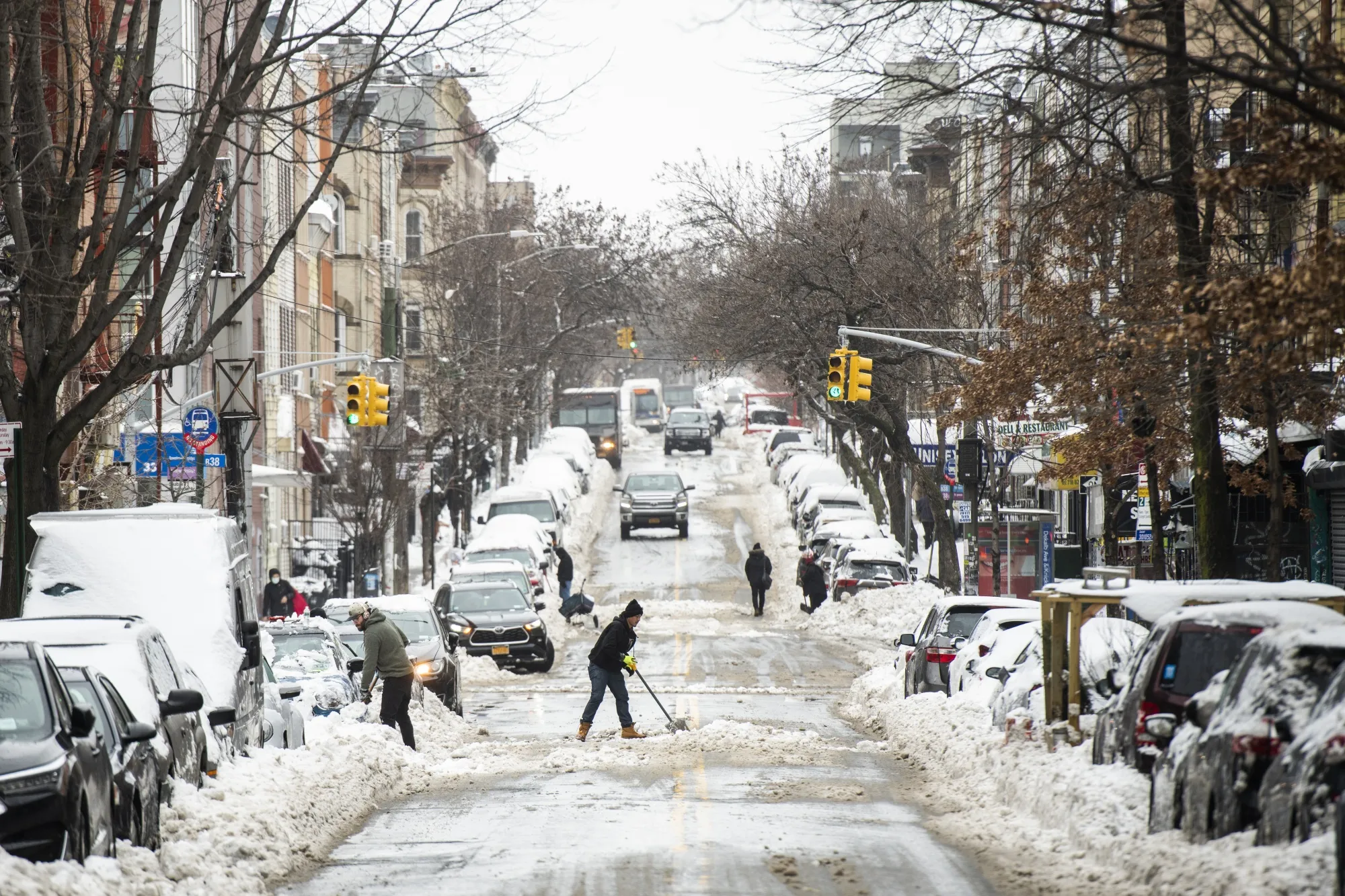
Winter in New York arrives with a sharp bite. January and February are typically the coldest months, with temperatures often hovering near or below freezing. The wind tunnel effect created by the city’s towering skyscrapers can make these temperatures feel even more severe. However, winter provides an unparalleled aesthetic, particularly when snow dusts the Rockefeller Center or Bryant Park. Visitors should prepare with heavy thermal clothing, quality boots, and durable scarves. While the cold is significant, it rarely stops the city’s momentum; it simply moves the culture indoors to world-class theaters on Broadway and cozy jazz clubs.
Navigating Meteorological Challenges

Being prepared for the specific weather challenges of New York is part of being a smart traveler. The city’s weather is not just about temperature; it is about how the infrastructure interacts with the environment.
The Impact of Humidity and Precipitation
Precipitation is spread relatively evenly throughout the year, meaning there is no “dry season.” Rain can occur at any time, often arriving as fast-moving storms that dissipate as quickly as they appear. Summer storms can be particularly heavy, leading to rapid temperature drops. Always carry a compact, high-quality umbrella. If you are caught in a downpour, the city is well-equipped with subway stations that serve as immediate, dry shelter.
Dealing with Extreme Weather Events
While rare, the city is occasionally subject to tropical storms or “nor’easters”—intense winter storms characterized by high winds and heavy precipitation. The city’s public transportation network, including the New York City Subway, is generally robust, but during extreme weather events, delays or service suspensions can occur. It is highly recommended to monitor local news channels or weather apps that provide real-time updates on street flooding or transit disruptions.
Microclimates and Urban Wind
Because of the sheer density of architecture, New York creates its own microclimates. The wind can whip through the canyons of Wall Street with surprising force, even on a calm day in the wider region. Furthermore, areas near the waterfront, such as Battery Park, will always be several degrees cooler than the interior of Midtown Manhattan. Always factor in your proximity to the river or the harbor when deciding what to wear for the day.
Practical Packing Strategy
Packing for a trip to New York requires a strategic approach. Regardless of the season, the primary goal is comfort and mobility.
Footwear: The Unsung Hero
No matter the weather, you will be doing a significant amount of walking. The city is best explored on foot, and weather conditions can quickly turn pavements wet or slippery. Invest in water-resistant, comfortable walking shoes. In winter, ensure your footwear has sufficient traction for icy patches; in summer, breathability is key to preventing blisters during long days of sightseeing.
Clothing Layers
The concept of “layering” is the most professional way to handle the city’s fluctuating temperatures. Even in the heat of summer, New York establishments—from high-end boutiques to subway cars—often blast air conditioning, leading to a jarring temperature difference when you step back outside. A light sweater or a thin cardigan can save you from feeling chilled in restaurants or theaters. Conversely, in the winter, the indoor heating in buildings like the Museum of Modern Art is notoriously powerful, so wearing a heavy coat that can be easily removed is essential for maintaining comfort.
Seasonal Accessories
- Summer: UV-blocking sunglasses, a wide-brimmed hat, and high-SPF sunscreen are vital, as the sun reflects off the glass buildings, increasing exposure.
- Winter: Touchscreen-compatible gloves are a game changer, allowing you to use your phone or camera to capture photos of Fifth Avenue without exposing your hands to the frigid air. A thermal scarf that can be wrapped tightly is also indispensable during the colder months.
By respecting the seasonal shifts and preparing for the unique urban environment of New York, you ensure that your trip remains focused on the incredible experiences the city has to offer rather than the atmospheric conditions. From the first blossoms in High Line park to the sparkling lights of the winter holidays, every season has its own unique charm if you arrive prepared.
LifeOutOfTheBox is a participant in the Amazon Services LLC Associates Program, an affiliate advertising program designed to provide a means for sites to earn advertising fees by advertising and linking to Amazon.com. Amazon, the Amazon logo, AmazonSupply, and the AmazonSupply logo are trademarks of Amazon.com, Inc. or its affiliates. As an Amazon Associate we earn affiliate commissions from qualifying purchases.