
For millions of travelers flocking to the neon-soaked streets of Las Vegas, the first question upon waking in a luxury suite is almost always about the weather. Situated in the heart of the Mojave Desert, this iconic city experiences a climate as bold and dramatic as the entertainment found on the Las Vegas Strip. Understanding the heat is not just a matter of comfort; it is a fundamental aspect of navigating a destination where the environment shapes every aspect of the tourist experience.
The Science of Desert Heat and Its Impact on Your Trip
When you look at the temperature reading for Nevada, it is important to understand that the “dry heat” often touted by locals is a literal meteorological reality. Because the humidity levels in Las Vegas are consistently low, the body’s natural cooling mechanism—sweat—evaporates almost instantly. While this makes high temperatures feel slightly more tolerable than they would in tropical climates, it also creates a significant dehydration risk.
Why Morning Matters in the Desert
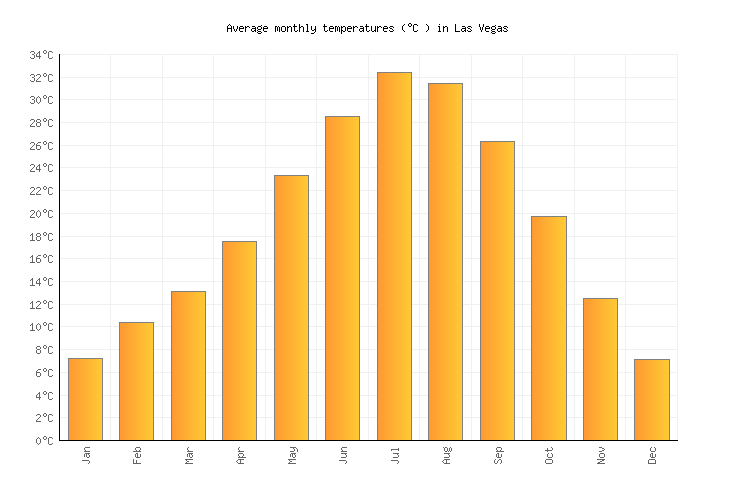
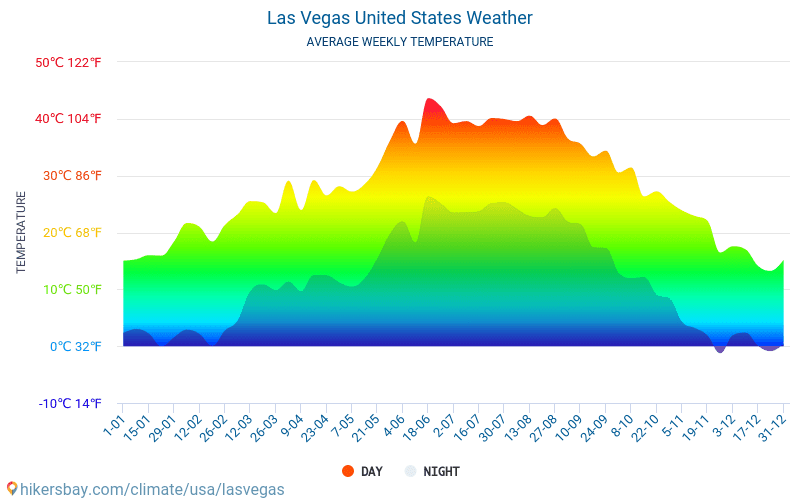
For those planning to explore outdoor attractions, the early morning hours are critical. Between the months of June and September, the temperature can climb from a comfortable 75 degrees Fahrenheit at sunrise to a scorching 105 degrees by midday. Visitors often find that the best time to photograph iconic landmarks like the Welcome to Fabulous Las Vegas Sign is precisely at dawn. Not only is the lighting superior for photography, but the ambient temperature allows for a leisurely experience before the peak heat sets in.
The Urban Heat Island Effect
It is worth noting that the concrete and asphalt of the city absorb a massive amount of solar radiation throughout the day. This leads to the “urban heat island effect,” where the temperature in the center of the Las Vegas Valley remains significantly higher than in the surrounding mountains, such as the Red Rock Canyon National Conservation Area. Even after the sun dips below the horizon, the city radiates that stored energy, keeping nighttime temperatures surprisingly warm even in the depths of winter.
Seasonal Fluctuations: What to Expect Year-Round
While the popular perception of the United States gambling capital is one of endless sunshine and heat, the seasons do bring distinct variations. Planning your trip requires more than just checking the daily forecast; it requires an understanding of how the desert calendar works.
The Peak of Summer
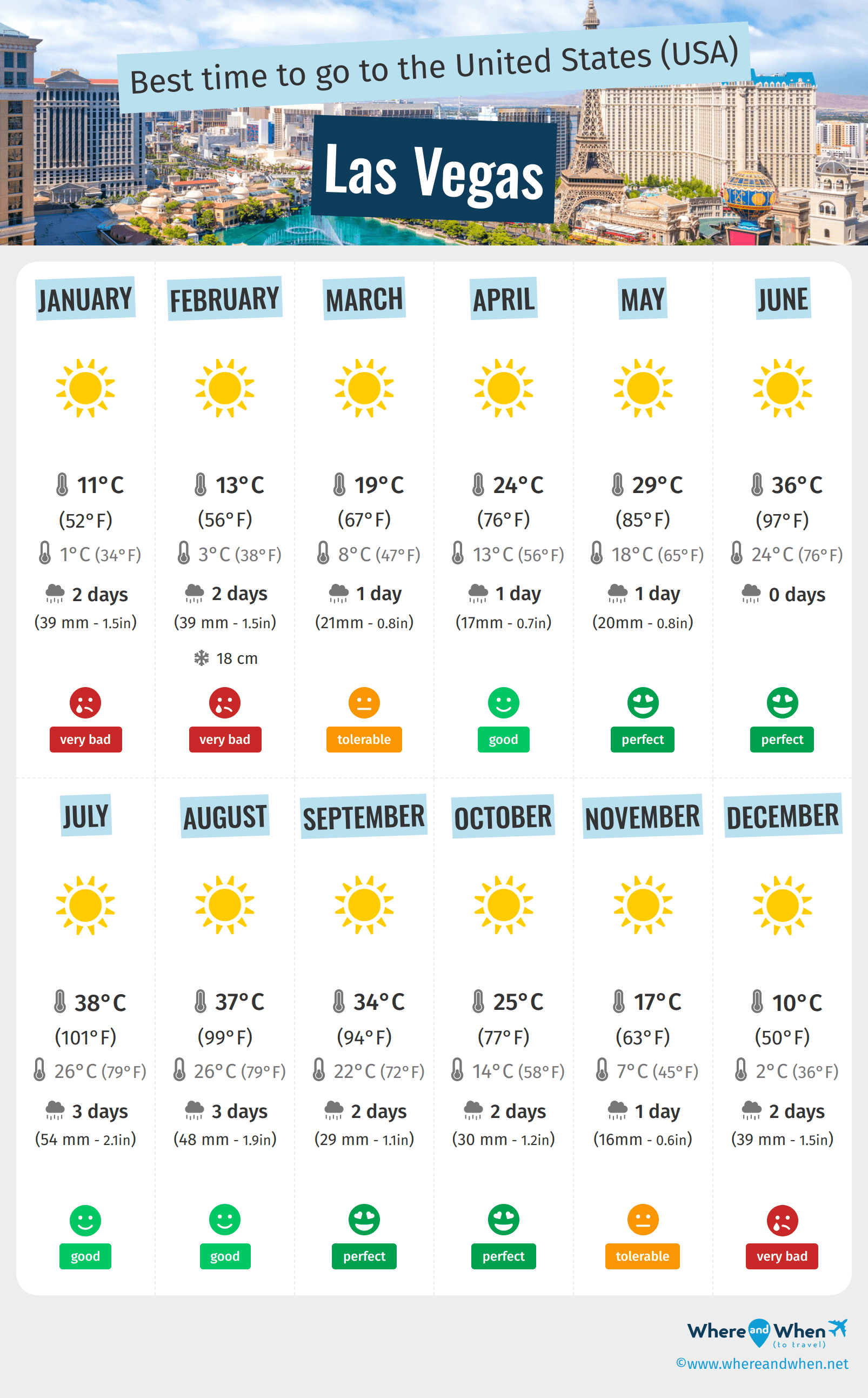
During the summer months, the temperature regularly hits triple digits. This is when the city’s indoor amenities become the primary focus of the itinerary. Guests spend the majority of their time navigating the climate-controlled corridors of massive resorts like the Caesars Palace or the Bellagio Hotel and Casino. The heat is not a deterrent to tourism here; rather, it is a catalyst for world-class indoor pool parties, high-end shopping in The Forum Shops at Caesars, and expansive casino gaming floors that never see a drop of sunlight.
The Hidden Gem of Winter
Many seasoned travelers prefer to visit during the winter, when temperatures drop to a crisp 50–60 degrees Fahrenheit during the day. This is the optimal time for excursions that would be physically dangerous in July. Whether you are trekking through the Valley of Fire State Park or walking the length of the Fremont Street Experience in Downtown Las Vegas, the cool air provides a refreshing backdrop to the vibrant neon lights.
Practical Tips for Managing the Climate
Regardless of what the thermometer says today, managing your exposure to the environment is the key to a successful vacation. The desert environment is unforgiving, and the contrast between the intense outside heat and the aggressive air conditioning inside venues like the The Venetian Las Vegas can be taxing on the body.
Hydration and Sun Protection
Hydration is not optional here. Experienced visitors carry reusable water bottles and replenish electrolytes throughout the day. Because the air is so dry, you may not feel yourself perspiring, which can lead to rapid onset of heat exhaustion. Furthermore, the intensity of the UV rays, especially when reflected off the glass facades of modern architectural marvels like the Aria Resort and Casino, necessitates high-SPF sunscreen even during cloudier days.
Dressing for the Desert
The dress code in the city is legendary for its variety, ranging from poolside loungewear to gala-ready formal attire. The best strategy for handling the daily temperature swing is layering. A light jacket or a pashmina is essential for the evenings, as the desert air cools down rapidly once the sun disappears behind the Spring Mountains. Inside the cavernous hotel lobbies, the constant air conditioning can make a thin shirt feel insufficient even when it is 110 degrees outside.
The Evolution of Climate Adaptability
The infrastructure of this city has evolved to master the heat. Architecture in the region, particularly at newer properties like Resorts World Las Vegas, incorporates advanced cooling systems and energy-efficient glass that reflects infrared radiation. This allows visitors to transition between the intense external environment and comfortable, cool internal spaces with minimal friction.
Even the outdoor tourist spots have adapted. Consider the High Roller Observation Wheel, which offers climate-controlled cabins. This allows you to witness the sweeping views of the city skyline without having to endure the actual air temperature, perfectly blending the desire to be outside with the necessity of staying cool.
As you plan your next move in this desert oasis, do not be overly intimidated by the numbers on your weather app. Whether it is a blistering summer day or a brisk winter morning, the city is engineered to provide an unparalleled experience. Pack accordingly, prioritize hydration, and remember that in a place as vibrant as this, the weather is merely the background to the unforgettable memories you are about to create. From the luxurious spas of the Wynn Las Vegas to the bustling sidewalks of the LINQ Promenade, every corner of the city is designed to ensure that, no matter the temperature, the spirit of adventure remains at an all-time high.
LifeOutOfTheBox is a participant in the Amazon Services LLC Associates Program, an affiliate advertising program designed to provide a means for sites to earn advertising fees by advertising and linking to Amazon.com. Amazon, the Amazon logo, AmazonSupply, and the AmazonSupply logo are trademarks of Amazon.com, Inc. or its affiliates. As an Amazon Associate we earn affiliate commissions from qualifying purchases.