
The Legendary Origins of a New York Icon
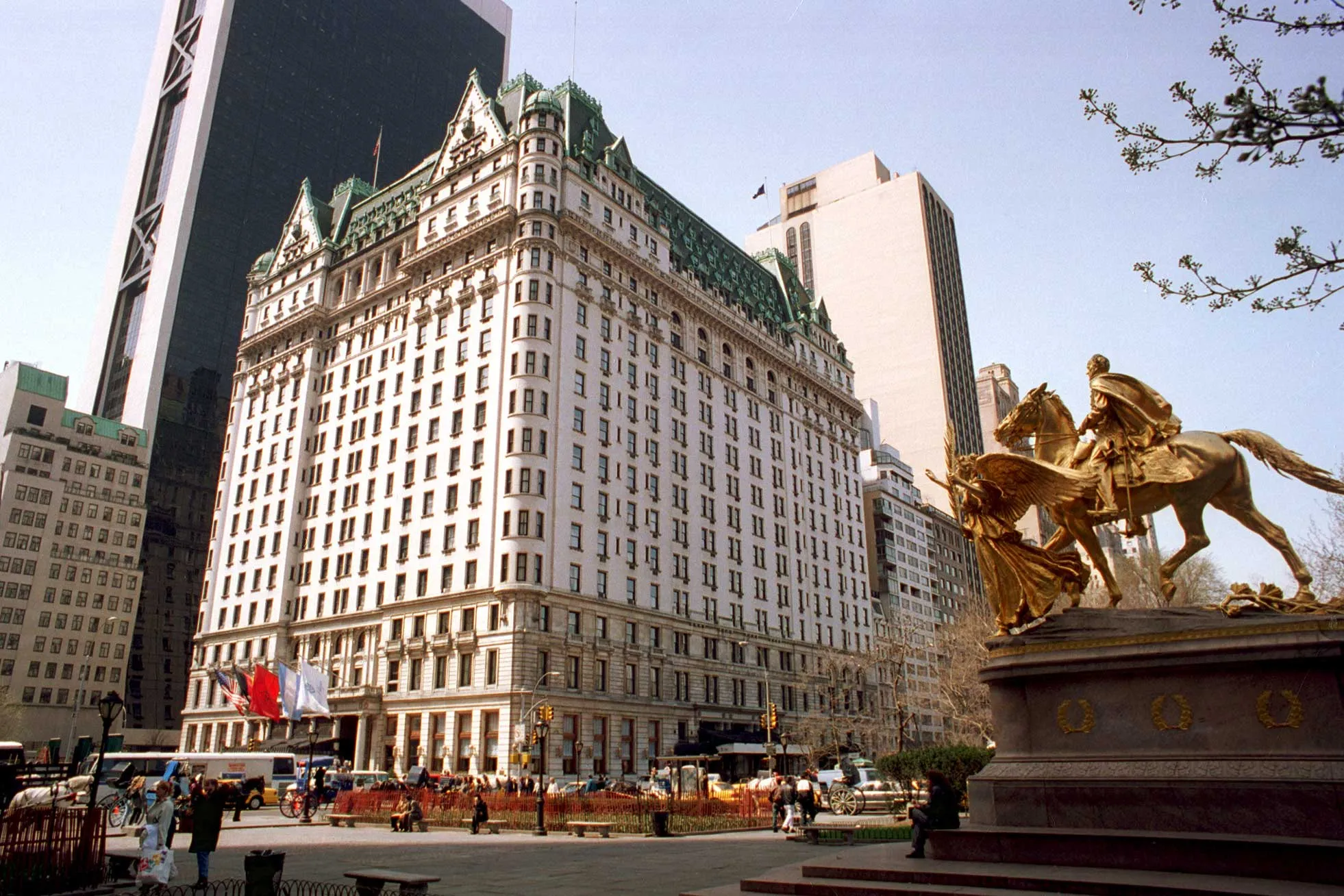
To understand the ownership history of The Plaza Hotel, one must first look back at its grand inception in the heart of New York City. Situated at the corner of Fifth Avenue and Central Park South, this architectural masterpiece was envisioned as a palace for the elite. Opened on October 1, 1907, the French Renaissance-chateau-style building was designed by renowned architect Henry Janeway Hardenbergh. From its very first day of operation, it established a new standard for luxury hospitality, welcoming titans of industry, European royalty, and legendary artists through its revolving mahogany doors.
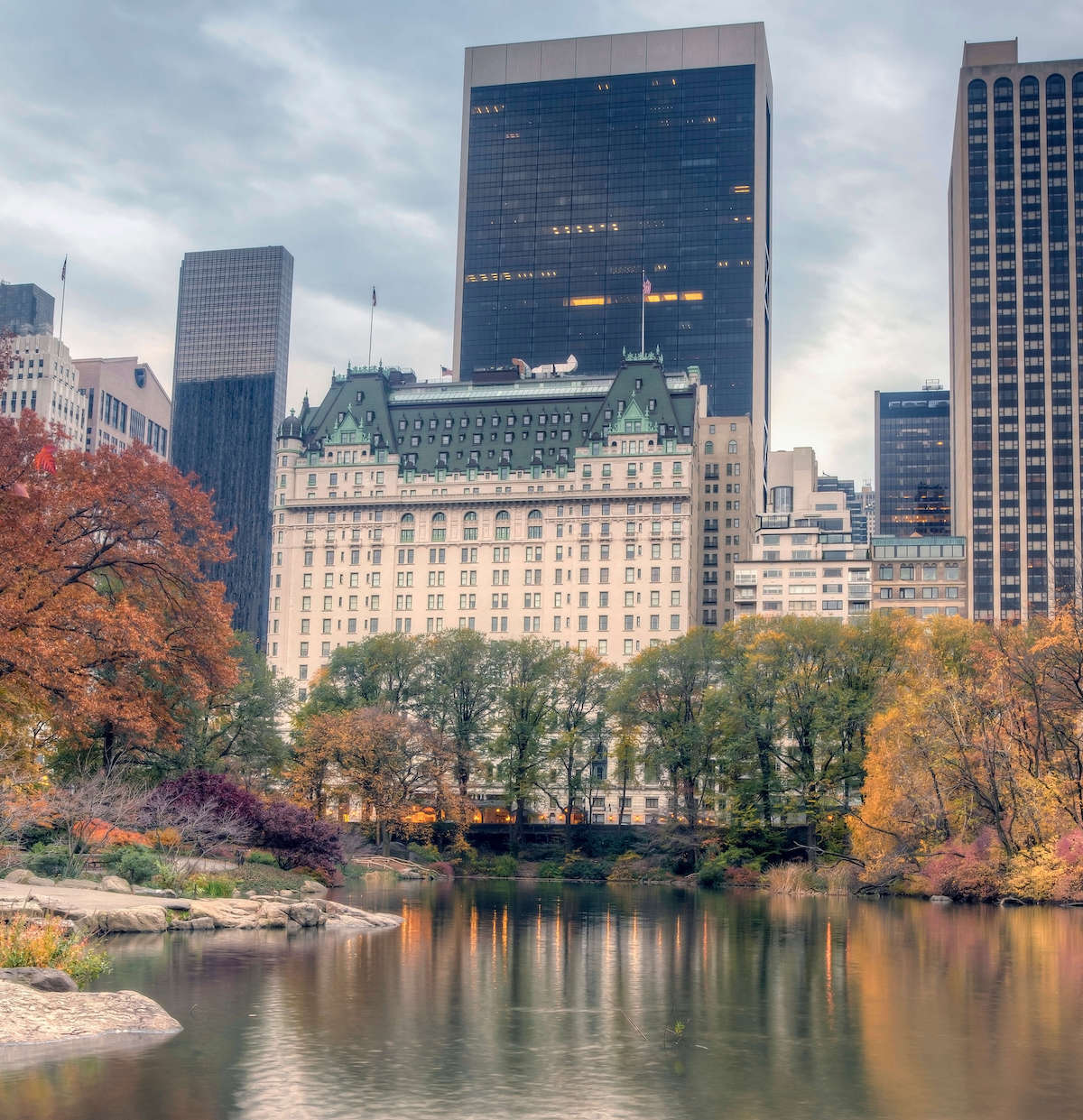
The early years of The Plaza Hotel set a precedent for architectural grandeur and opulent interiors. Financier Conrad Hilton recognized the unmatched prestige of the property and acquired it in 1943. Under subsequent decades of management, the hotel witnessed sweeping cultural moments, cementing its status not merely as a place to stay, but as a central character in American literature and cinema. Fictional characters like Eloise made the hotel their home, while real-life luminaries hosted lavish galas in the timeless Grand Ballroom. Yet, despite its glamorous facade, the hotel frequently changed hands as economic realities and fluctuating real estate markets tested the resilience of luxury asset management.
The Donald Trump Era: Acquisition and Ambition
The most culturally persistent association between the famous landmark and its ownership dates back to the late 1980s. In 1988, business mogul Donald Trump purchased The Plaza Hotel for a staggering $407.5 million. During a press conference at the time, he famously proclaimed that he had not just bought a building, but a work of art—the Mona Lisa of real estate. His entrance into the hotel’s storied history brought a flurry of media attention, high-profile renovations, and a distinct branding stamp that aligned the property squarely with the height of late-twentieth-century American wealth and ambition.
Renovations and Restorations
Upon taking ownership, Donald Trump invested heavily in restoring the fading grandeur of the landmark. He tasked his then-wife, Ivana Trump, with overseeing the meticulous interior redesign. Rooms were upgraded with custom furnishings, gold-plated fixtures, and state-of-the-art amenities designed to appeal to the ultra-luxury demographic. The objective was to modernize the guest experience without compromising the historic integrity that defined the Fifth Avenue icon. While these upgrades were celebrated by many guests, the financial engineering behind the acquisition ultimately proved unsustainable.
Financial Turmoil and Divestment
Despite his grand vision, the timing of the acquisition coincided with a broader economic downturn in the commercial real estate sector. The heavy debt burden incurred to finance the purchase of The Plaza Hotel became increasingly difficult to service. By the early 1990s, Donald Trump was forced to cede control of the property to a consortium of lenders, primarily Citibank, in exchange for debt relief. Although his tenure as owner was relatively brief—lasting from 1988 to 1995—it left an indelible mark on the public consciousness, permanently linking his name to the history of the hotel in popular culture.
Subsequent Ownership and Global Transformations
Following the departure of Donald Trump, The Plaza Hotel entered a new chapter of international ownership and structural reinvention. In 1995, Saudi prince Al-Waleed bin Talal and Kingdom Holding Company, alongside CDL Hotels International, purchased the property. Their stewardship aimed to stabilize the hotel’s finances while maintaining its world-class reputation. This partnership successfully operated the hotel through the turn of the millennium, preparing it for yet another monumental transformation that would alter its physical layout forever.
The Conversion to Condominiums and Hotel Rooms
In 2004, the property was sold to the New York-based developer Elad Properties, led by Isaac Tshuva, for a record-breaking $675 million. This marked a profound turning point for The Plaza Hotel. Elad Properties executed a massive, multi-year renovation that closed the hotel for portions of 2005 and 2006. The ambitious master plan divided the historic structure into two distinct entities: a scaled-down luxury hotel managed by Fairmont Hotels & Resorts and a collection of ultra-exclusive private residential condominiums facing Central Park and Fifth Avenue.
Present-Day Ownership Structure
Today, the ownership of The Plaza Hotel is multifaceted, reflecting the complex nature of modern luxury real estate. The residential condominiums are owned individually by wealthy private owners from around the globe. Meanwhile, the hotel portion, along with its famous retail spaces and food halls, has changed hands subsequent to Elad Properties. In 2018, the global conglomerate Sahara India Pariwar sold the hotel operations and remaining interests to Subrata Roy’s associates and ultimately to international investors, including Katara Hospitality, a prominent hotel-owning and operating company based in Qatar.

The Enduring Legacy Beyond Ownership
To answer the central question directly: No, The Plaza Hotel is not currently owned by Donald Trump, nor has he owned a stake in the property since the mid-1990s. His historical connection to the building remains a fascinating footnote in a much longer, richer narrative of architectural triumph, financial maneuvering, and international investment. The shifting roster of owners—from American hospitality pioneers to royal Saudi investors, Israeli-backed developers, and Qatari state-backed hospitality funds—demonstrates how this legendary landmark transcends any single individual or era.
Ultimately, the true value of The Plaza Hotel lies not in who holds the deed, but in its cultural permanence. Whether visitors come to indulge in afternoon tea at The Palm Court, stroll through the underground food hall, or simply admire its French Renaissance exterior while walking through Manhattan, the hotel remains an enduring symbol of timeless elegance. Ownership titles may change with the shifting tides of global finance, but the iconic status of the grand dame of Fifth Avenue remains permanently etched into the history of global hospitality.
LifeOutOfTheBox is a participant in the Amazon Services LLC Associates Program, an affiliate advertising program designed to provide a means for sites to earn advertising fees by advertising and linking to Amazon.com. Amazon, the Amazon logo, AmazonSupply, and the AmazonSupply logo are trademarks of Amazon.com, Inc. or its affiliates. As an Amazon Associate we earn affiliate commissions from qualifying purchases.