
An extended stay hotel is a specialized category of accommodation designed to serve as a bridge between the convenience of a traditional hotel and the functional comforts of a residential apartment. While standard hotels are optimized for short-term visits—often lasting only a night or two—extended stay properties are engineered for guests who require a temporary residence for a week, a month, or even longer. This niche within the hospitality industry has evolved rapidly across North America, Europe, and Asia, catering to a diverse demographic that ranges from relocating families and traveling nurses to digital nomads and corporate consultants.
Core Features and Residential Amenities
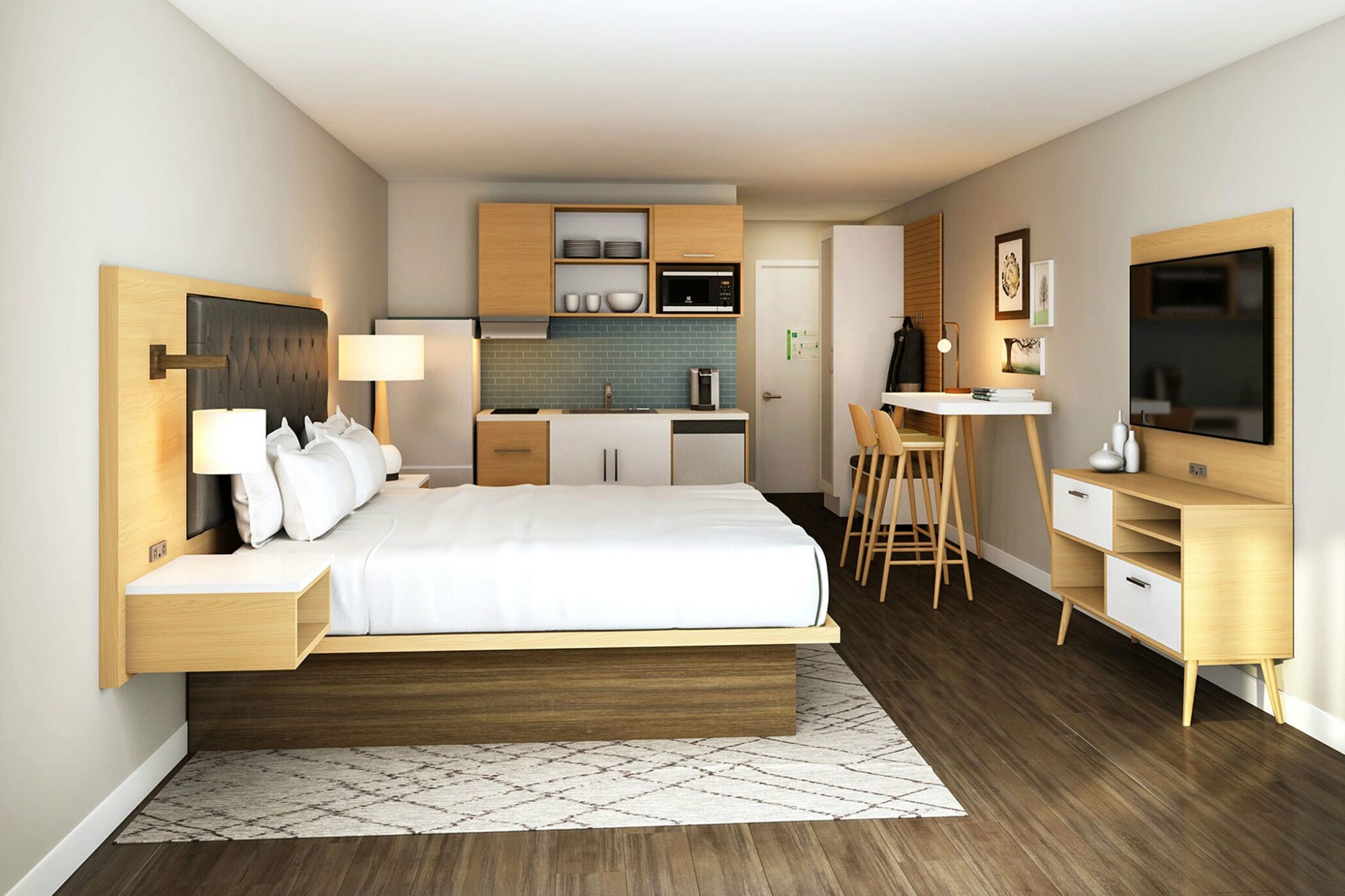
The primary differentiator of an extended stay hotel is the physical layout of the guest quarters. Unlike the standard “bed and bathroom” configuration found in most lodging, these properties prioritize living space and utility. Most suites are significantly larger than traditional hotel rooms, often featuring distinct zones for sleeping, working, and dining.
Full Kitchen Facilities and Self-Sufficiency
The hallmark of a true extended stay experience is the in-room kitchen. This typically includes a full-sized refrigerator, a stovetop, a microwave, a dishwasher, and a complete set of cookware, dishes, and utensils. Brands such as Residence Inn by Marriott and Staybridge Suites revolutionized this concept by ensuring guests could prepare their own meals, which is both a significant cost-saver and a lifestyle preference for long-term travelers. By providing these facilities, hotels allow guests to maintain their dietary routines and avoid the “restaurant fatigue” often associated with lengthy business trips in cities like New York City or London.
Specialized On-Site Services
Beyond the room itself, the operational model of an extended stay hotel differs from standard hospitality. Housekeeping is often provided on a weekly rather than a daily basis to respect the privacy of the long-term occupant and reduce operational costs, which in turn lowers the nightly rate. Furthermore, these properties almost always offer extensive on-site laundry facilities, ranging from communal coin-operated machines to in-suite washers and dryers in upscale brands like Element by Westin.
To foster a sense of community, many properties host “social hours” or “manager’s receptions” where guests can enjoy complimentary snacks and beverages while networking with other long-term residents. This is particularly common in United States locations such as Houston or Atlanta, where corporate travelers often seek social interaction during multi-week assignments.
Financial Dynamics of Long-Term Accommodation
One of the most compelling reasons travelers choose extended stay hotels is the tiered pricing structure. In the world of accommodation, the length of stay is inversely proportional to the nightly rate. This makes these hotels a far more economical choice than booking a traditional hotel for thirty consecutive days.
Tiered Pricing and Tax Advantages
Extended stay hotels operate on a sliding scale. A guest staying for seven nights will pay a lower average nightly rate than a guest staying for two nights. This discount deepens significantly for stays exceeding 30 nights. In many jurisdictions within the United States and Canada, staying for more than 30 days also grants the guest “resident” status, which may exempt them from local occupancy taxes. This can result in a savings of 10% to 15% on the total bill, making it a highly attractive option for those relocating to cities like San Francisco or Toronto.
Comparing Extended Stay to Short-Term Rentals
With the rise of platforms like Airbnb, travelers often weigh extended stay hotels against residential rentals. While Airbnb offers unique local experiences, extended stay hotels provide professional consistency, security, and standard amenities that rentals often lack. Hotel brands managed by Hilton Worldwide or InterContinental Hotels Group offer 24-hour front desk support, maintenance on demand, and loyalty points—benefits that are rarely available in a private apartment rental. For a professional working in Singapore or Dubai, the reliability of high-speed internet and professional management usually tips the scale toward the hotel model.
Identifying the Target Guest Demographics
Extended stay hotels are not a one-size-fits-all solution; they are designed for specific life stages and professional requirements. Understanding who uses these spaces provides insight into why the industry continues to grow in markets like Germany and Australia.

Corporate Travelers and Project-Based Staff
The largest segment of the extended stay market consists of corporate employees. Consultants, auditors, and IT specialists often find themselves deployed to a city like Chicago or Seattle for several months to oversee a project. For these individuals, a suite at a Homewood Suites by Hilton provides a workspace that is more ergonomic and private than a standard hotel desk.
Families in Transition and Relocating Professionals
Relocating to a new city often involves a period of transition while waiting for a permanent home to become available or for a real estate closing. Families moving to areas like Dallas or Phoenix often choose extended stay hotels because they can accommodate pets and offer multiple-bedroom suites. Having a kitchen allows parents to maintain a sense of normalcy for children, preparing familiar meals while navigating the complexities of a move.
The Rise of the Digital Nomad
A newer demographic is the “digital nomad”—individuals who work remotely while traveling the world. These travelers look for properties in destinations like Mexico City, Barcelona, or Tokyo that offer the reliability of a hotel with the residential feel of an apartment. Brands like Hyatt House have leaned into this trend by creating vibrant common areas that serve as co-working spaces.
Major Global Brands and Market Tiers
The extended stay sector is divided into several tiers, from budget-friendly options to luxury serviced apartments. Each tier caters to a different budget and expectation level.
Upscale Extended Stay Brands
At the higher end of the spectrum, brands like Residence Inn by Marriott, Homewood Suites by Hilton, and Staybridge Suites offer premium amenities. Guests can expect complimentary hot breakfasts, grocery shopping services, and high-end fitness centers. These are popular in major financial hubs like Frankfurt or Hong Kong. Element by Westin specifically focuses on wellness and sustainability, appealing to the modern, eco-conscious traveler.
Mid-Scale and Economy Options
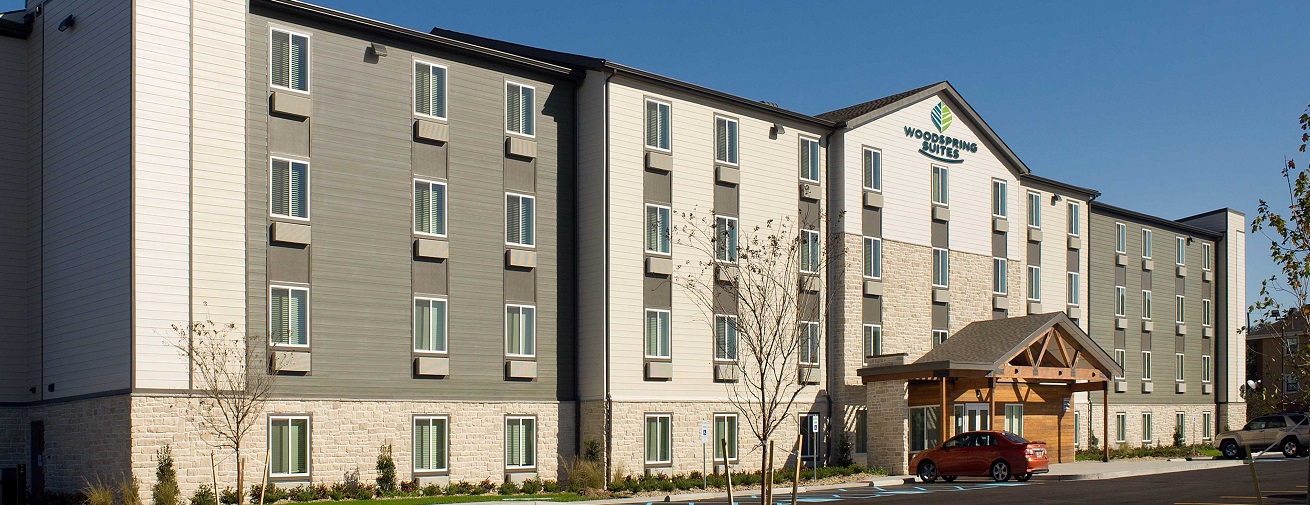
For those on a stricter budget or companies looking to minimize travel expenses, brands like Candlewood Suites, TownePlace Suites, and MainStay Suites provide the essentials without the frills. These properties might replace a hot breakfast buffet with a “grab-and-go” kiosk and offer more basic kitchen setups. Extended Stay America and WoodSpring Suites are dominant players in the economy segment, frequently found in suburban areas of the United States near major highways and industrial parks.
Serviced Apartments and Corporate Housing
In cities like Paris and Sydney, the term “serviced apartment” is often used interchangeably with extended stay hotels. However, these often lean toward the luxury end of the market. Global operators like The Ascott Limited provide high-design living spaces that feel less like a hotel and more like a luxury residence in the heart of the city.
Strategic Booking for Long-Term Stays
Booking an extended stay requires a different strategy than a weekend getaway. Because the commitment is longer, the stakes for comfort and location are higher.
Negotiation and Direct Booking
While online travel agencies are useful for comparison, guests planning to stay for more than two weeks should often contact the hotel’s sales department directly. Most properties under brands like Wyndham Hotels & Resorts or Choice Hotels have the authority to negotiate custom rates for long-term stays that are not published online. This is especially true in cities with high seasonal variance, such as Miami or Las Vegas.
Prioritizing Location and Amenities
When staying for a month, the proximity to a grocery store or a park becomes more important than being next to a tourist attraction. Travelers moving to Los Angeles should consider the traffic patterns and proximity to their workplace, as “home” will be this hotel suite for the foreseeable future. Checking for “pet-friendly” policies is also crucial, as many extended stay brands allow dogs and cats for a one-time or monthly fee, making them a top choice for pet owners in North America.
In conclusion, the extended stay hotel is a sophisticated response to the needs of the modern, mobile workforce and individuals in transition. By combining the operational efficiency of the hospitality industry with the spatial design of residential living, these accommodations provide a unique value proposition. Whether one is on a three-month assignment in Berlin or relocating a family to Austin, the extended stay model offers the stability, cost-effectiveness, and comfort required to thrive away from home.
LifeOutOfTheBox is a participant in the Amazon Services LLC Associates Program, an affiliate advertising program designed to provide a means for sites to earn advertising fees by advertising and linking to Amazon.com. Amazon, the Amazon logo, AmazonSupply, and the AmazonSupply logo are trademarks of Amazon.com, Inc. or its affiliates. As an Amazon Associate we earn affiliate commissions from qualifying purchases.