
For travelers planning a getaway to the Pacific, the allure of Hawaii is undeniable. Beyond the lush volcanic landscapes and the vibrant local culture, the primary draw for millions of annual visitors is the ocean. Whether you are envisioning snorkeling through crystalline reefs, learning to surf, or simply wading into the gentle surf at Waikiki Beach, the temperature of the water is a critical factor in your itinerary planning. Fortunately, the short answer is yes: the water in this archipelago is almost universally comfortable for swimming, snorkeling, and diving year-round.
Understanding Hawaii’s Marine Climate
The Pacific Ocean surrounding the Hawaiian Islands acts as a massive thermal regulator, keeping temperatures within a remarkably narrow and pleasant range. Unlike the drastic seasonal fluctuations found in temperate regions, the waters here remain consistent, dictated primarily by the deep-sea currents and the consistent tropical sun.

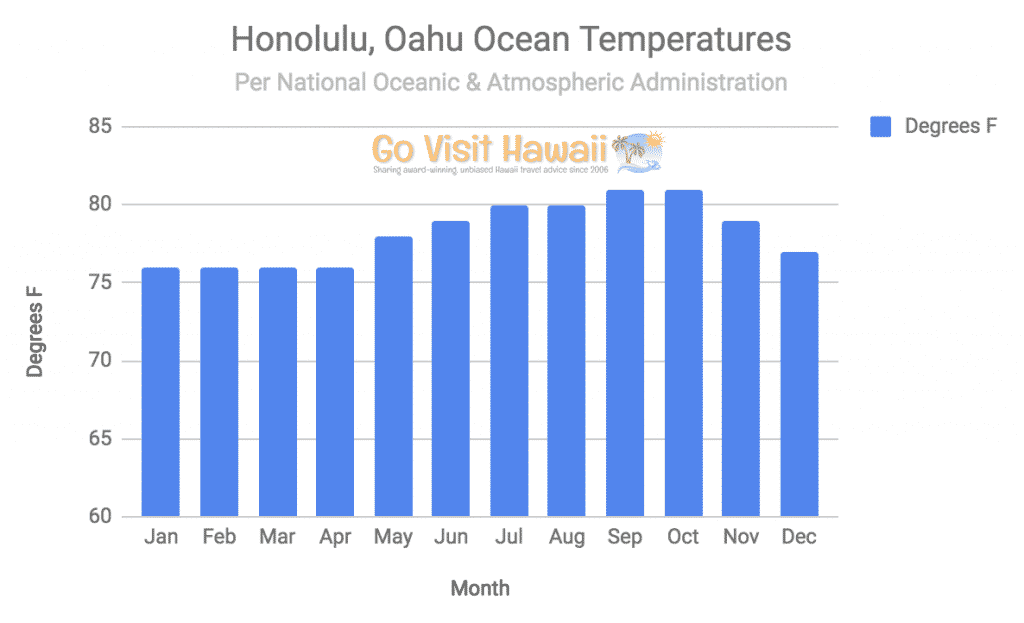
Temperature Ranges Throughout the Year
During the winter months, typically spanning from January to March, ocean temperatures average around 74°F to 76°F (23°C to 24°C). While this might feel slightly crisp to those accustomed to bathwater-like conditions, it is generally considered very comfortable for most swimmers. As the islands transition into the warmer months, temperatures climb steadily. By the time late summer and early autumn arrive—specifically between August and October—the water temperature often reaches a blissful 80°F to 82°F (27°C to 28°C).
Factors Influencing Localized Water Temperatures
While the general averages are reliable, local variations do exist. Factors such as water depth, proximity to freshwater runoff, and the presence of sheltered bays can alter the experience. For instance, the waters off the coast of Maui tend to be quite calm and warm, especially in protected areas like Molokini Crater, where the depth and lack of strong currents create a natural sanctuary. Conversely, the North Shore of Oahu may experience cooler upwellings during the winter months due to the high-energy swell conditions that attract world-class surfers.
Seasonal Considerations for Water-Based Activities
The definition of “warm” is subjective and often depends on what you intend to do in the water. A casual bather may have different requirements than a scuba diver or a professional surfer.
Snorkeling and Scuba Diving
For those visiting Kona or other parts of the Big Island for underwater exploration, the water temperature is rarely an obstacle. Most snorkelers find the winter temperatures perfectly acceptable for an hour or two of observation. However, scuba divers planning extended sessions—often lasting 45 minutes or more at depth—may prefer to wear a thin 2mm or 3mm wetsuit, especially during the winter months, to prevent heat loss over time. This is less about the water being “cold” and more about physiological comfort during prolonged exposure.
Surfing and Wave Sports
Surfing is a quintessential activity in Kauai and beyond. During the winter, the “winter swells” bring massive waves to the northern shores, which are often accompanied by slightly cooler water temperatures and higher current activity. Surfers typically opt for short-sleeved wetsuit tops or “spring suits” to provide extra protection against the wind-chill factor while sitting on their boards, rather than the water temperature itself. During the summer, surfers rarely require anything more than board shorts or swimwear.
Navigating Locations for the Best Swimming Experience
Not every beach in the islands offers the same experience. If your primary goal is to spend hours wading in warm, shallow water, choosing the right geographic location is key.
Sheltered Bays and Lagoons
Many of the best swimming spots in Lanai and Molokai feature protected coves where the water is sheltered from the open ocean’s influence. These areas often warm up faster under the midday sun and remain tranquil throughout the afternoon. Hanauma Bay on Oahu is a premier example of a protected marine life conservation district that offers consistently calm and warm water, making it an ideal destination for families with children or novice swimmers.
The Influence of Rainfall and Runoff
It is worth noting that during the wetter months, heavy rainfall can cause runoff to enter the ocean near river mouths and coastal streams. This can lead to a temporary drop in water temperature and clarity in those immediate areas. If you find the water at a specific beach feels a bit “fresh” or chilly, it is usually because of a nearby stream. Moving just a few hundred yards down the coast to a location away from river discharge will often yield a warmer, clearer swimming experience.

Practical Tips for Your Aquatic Adventures
To ensure you have the most enjoyable time in the water, keep a few logistical considerations in mind. These tips will help you maximize your comfort regardless of the season.
- Sun Protection: Even when the water feels cool and refreshing, the tropical sun is intense. Always use reef-safe sunscreen. The reflection of sunlight off the water increases your exposure, making it easy to burn while snorkeling or treading water.
- Wetsuit Rentals: If you are planning on heavy water activity during the winter, don’t worry about packing bulky gear. Dive shops across the islands, particularly in areas like Lahaina, offer affordable daily rentals for wetsuits and rash guards.
- Respect the Marine Life: When entering the water, especially in popular spots like Turtle Town, be mindful of your surroundings. The warm temperatures are not just for our enjoyment; they are vital to the ecosystem. Keep a respectful distance from sea turtles and monk seals, as these animals are protected.
- Check the Surf Reports: Even if the water is warm, safety is paramount. Check the daily surf reports and listen to the guidance of lifeguards at public beaches. Even on warm days, currents can be deceptive.
Ultimately, the water in Hawaii is one of the most inviting aspects of the destination. While there is a slight variance between the winter lows and summer highs, the temperature remains in a “sweet spot” that caters to almost every traveler. Whether you are visiting for the luxury resorts, the stunning natural vistas, or the world-class surf, you can rest assured that the Pacific Ocean will be waiting for you with open, and pleasantly temperate, arms. By understanding the minor seasonal differences and choosing your swimming locations wisely, you can enjoy the pristine beauty of these islands throughout every month of the year.
LifeOutOfTheBox is a participant in the Amazon Services LLC Associates Program, an affiliate advertising program designed to provide a means for sites to earn advertising fees by advertising and linking to Amazon.com. Amazon, the Amazon logo, AmazonSupply, and the AmazonSupply logo are trademarks of Amazon.com, Inc. or its affiliates. As an Amazon Associate we earn affiliate commissions from qualifying purchases.