
For those looking to cultivate a thriving landscape, vegetable patch, or botanical garden within the humid, sun-drenched landscapes of the American South, understanding the regional climate is essential. In the realm of horticulture and landscape design, Mississippi serves as a fascinating study in diversity. Ranging from the fertile alluvial plains of the Mississippi Delta to the pine-studded hills of the Piney Woods, the state’s environment is dictated by its distinct agricultural growing zones.
Understanding the USDA Plant Hardiness Zones in Mississippi
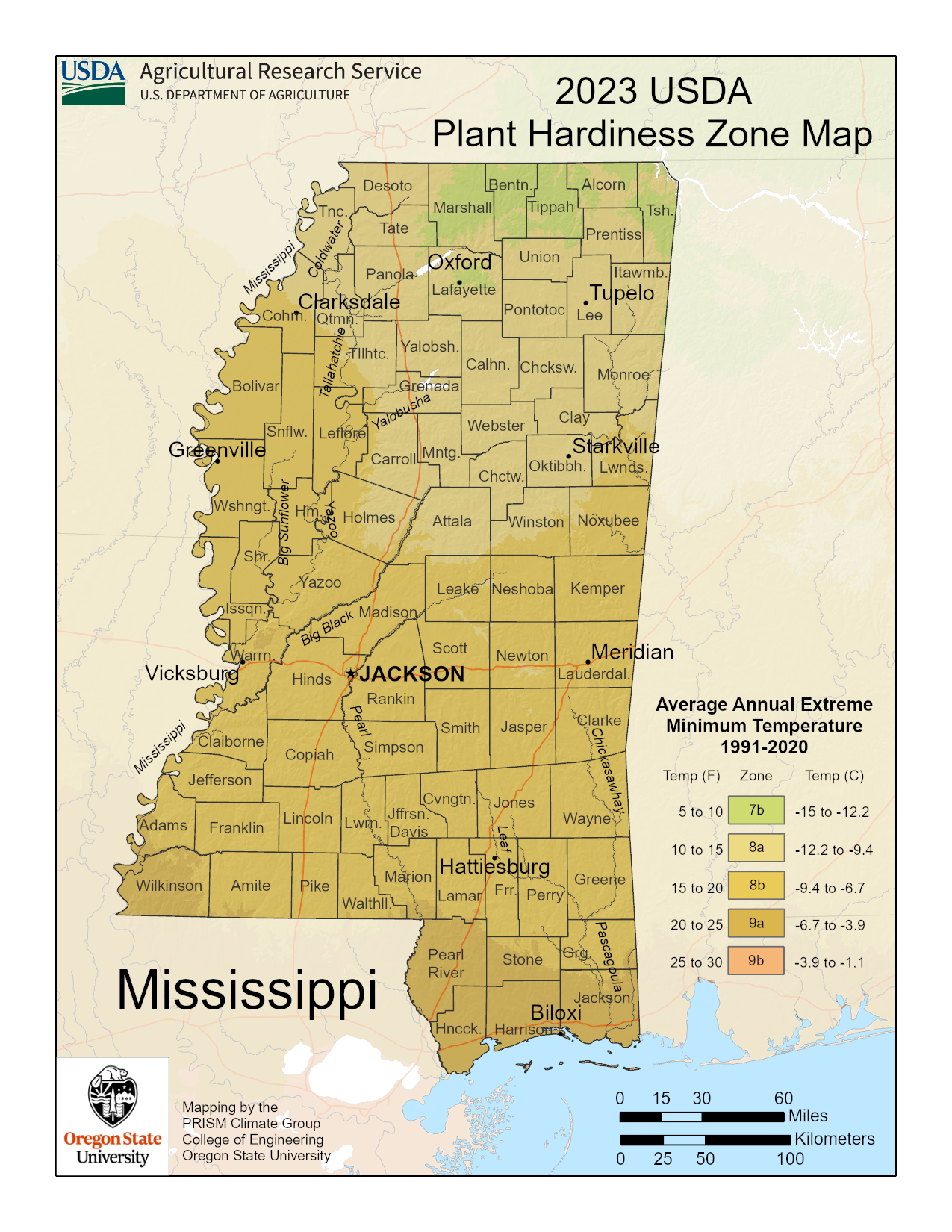
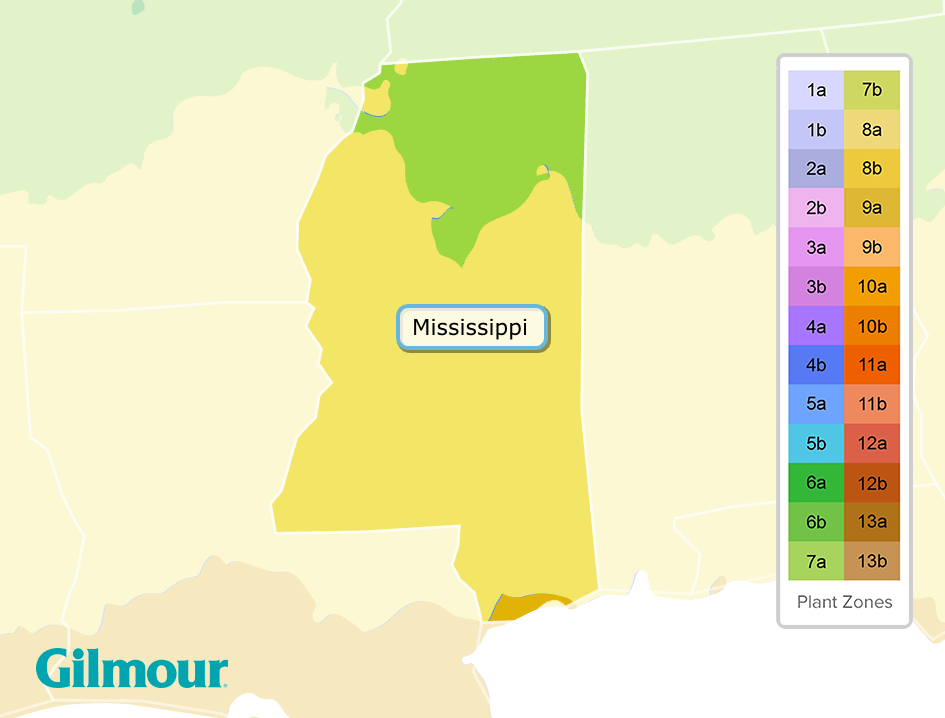
The United States Department of Agriculture (USDA) divides the country into plant hardiness zones based on the average annual minimum winter temperature. These zones act as a vital map for gardeners and agriculturists to determine which plants are most likely to survive the coldest nights of the year. In Mississippi, the hardiness zones are primarily categorized as 7b, 8a, 8b, and 9a.
Zone 7b: The Northern Highlands
The northernmost reaches of the state, particularly near the border with Tennessee, often fall into zone 7b. Here, the average annual minimum temperatures range between 5°F and 10°F. While winters in this region—including cities like Southaven and parts of Tupelo—can feature sharper frosts, the summer growing season remains robust, allowing for a wide variety of temperate fruits and hardy ornamentals.
Zone 8a and 8b: The Heart of the State
Most of central Mississippi, spanning from Jackson down through the central plains, resides in zones 8a and 8b. In these regions, the minimum temperatures stay slightly warmer, generally ranging from 10°F to 20°F. This temperate climate is the “sweet spot” for many classic Southern garden staples. It allows for the successful cultivation of camellias, hydrangeas, and traditional vegetable crops like okra, tomatoes, and collard greens.
Zone 9a: The Coastal Influence
As one moves south toward the Gulf Coast and the shores of the Gulf of Mexico, the climate shifts into zone 9a. This zone experiences the mildest winters in the state, with minimum temperatures rarely dipping below 20°F. Cities such as Biloxi, Gulfport, and Ocean Springs benefit from this maritime climate, which allows for the growth of tropical and sub-tropical species that would not survive a night in the northern part of the state.
Strategic Planning for the Mississippi Garden
Knowing your zone is only the first step. The success of a garden in Mississippi depends heavily on how the gardener navigates the transition between the distinct seasonal shifts and the high humidity inherent to the region.
The Impact of Humidity and Heat
While hardiness zones focus on the cold, the heat index is equally important in the Deep South. The oppressive summer heat and humidity can stress many plants, making disease resistance a primary factor when selecting species. Gardeners in Vicksburg or Natchez often prioritize heat-tolerant cultivars that can withstand the intense sunlight that characterizes the Mississippi summer.
Microclimates Within the Landscape
Even within a single growing zone, local geography creates microclimates. A property located on the banks of the Mississippi River may experience different air flow and soil moisture levels than a property tucked away in the dense forests of the Homochitto National Forest. Slopes, soil composition, and proximity to large bodies of water all play a role in whether a plant will thrive or simply survive.
Selecting Plants for Your Specific Zone
Choosing the right flora for your specific zone is the cornerstone of sustainable landscaping. When designing your space in Mississippi, consider the following breakdown of plant types and their zone suitability.
Native Species: The Low-Maintenance Choice
The most reliable way to garden in any Mississippi zone is to focus on native plants. These species have evolved to withstand the local rainfall patterns, soil types, and temperature fluctuations. From the towering magnolias—the state flower—to the vibrant beauty of Azaleas found in Laurel, native plants offer both visual appeal and environmental stability.
The Vegetable Patch: Timing is Everything
For those interested in growing their own food, understanding the growing season is crucial. Mississippi gardeners often enjoy two distinct growing seasons: spring and fall.
- Spring Planting: Hardy vegetables like broccoli and cabbage can be planted early, while heat-loving crops like peppers and squash should wait until the danger of frost has passed in early April.
- Fall Planting: As the intense heat of August begins to wane, gardeners can plant a second round of greens, root vegetables, and herbs that flourish in the cooler, shortening days of October and November.
Adapting for Potential Frost
Even in the southernmost areas like Pass Christian, unexpected cold snaps can occur. Having a plan for frost protection—such as frost blankets or cold frames—is a wise investment for any serious grower. Understanding that the USDA zones are based on averages is critical; weather patterns are inherently volatile, and being prepared for the occasional extreme event can save a year’s worth of effort.
Sustainable Practices for the Southern Climate
Gardening in a state as ecologically rich as Mississippi comes with a responsibility to the land. The diverse ecosystems, from the bayous near Pascagoula to the rolling hills of the north, support a vast array of pollinators and wildlife.
Soil Health and Management
The soil in Mississippi varies significantly. The rich loess soil found near the river bluffs is vastly different from the sandy coastal soils. Regardless of your location, amending your soil with organic compost is the best way to improve water retention and provide essential nutrients to your plants. Mulching is another essential practice; it helps keep the root systems cool during the scorching summer months and retains moisture during the dry spells that often occur in late summer.
Water Conservation and Irrigation
Even with the state’s frequent rainfall, the heat requires efficient water management. Drip irrigation is often preferred over overhead watering, as it reduces evaporation and discourages fungal diseases, which are common in the humid climate of the American South. By grouping plants with similar water needs together—a practice known as hydrozoning—gardeners can create a more resilient and sustainable landscape.

A Legacy of Cultivation
Gardening in Mississippi is more than just a hobby; it is a connection to a deep-rooted tradition of land stewardship. Whether you are tending to a small patio garden in Hattiesburg or managing an extensive estate in Greenwood, acknowledging the growing zones is your first step toward success. By aligning your planting schedule and species selection with the natural rhythms of the state’s climate, you ensure that your green space will bloom with resilience, beauty, and vitality for years to come. Through careful planning and respect for the local environment, any gardener can unlock the full potential of this fertile southern landscape.
LifeOutOfTheBox is a participant in the Amazon Services LLC Associates Program, an affiliate advertising program designed to provide a means for sites to earn advertising fees by advertising and linking to Amazon.com. Amazon, the Amazon logo, AmazonSupply, and the AmazonSupply logo are trademarks of Amazon.com, Inc. or its affiliates. As an Amazon Associate we earn affiliate commissions from qualifying purchases.