
At its core, the Grand Budapest Hotel is a profound exploration of the pinnacle of the hospitality industry. While many perceive it through the lens of a cinematic narrative, the establishment itself serves as a masterclass in the art of the grand hotel, representing an era where service was an artisanal craft and the physical environment of a resort was designed to be a self-contained universe of luxury. Set in the fictional Republic of Zubrowka, specifically in the alpine spa town of Nebelsbad, this institution embodies the architectural, cultural, and operational standards that defined high-society travel in Europe during the interwar period. To understand what the Grand Budapest Hotel is about is to understand the soul of a luxury hotel: its dedication to the guest, its rigid internal hierarchy, and its role as a sanctuary of refinement in a changing world.

A Monument to Hospitality: The Physical Splendor of the Grand Budapest
The Grand Budapest Hotel is, first and foremost, an architectural statement. It represents the “Grand Hotel” archetype that flourished across the European continent, from the Swiss Alps to the thermal springs of Hungary. Its design is not merely decorative; it is functional, intended to facilitate a seamless flow of service while maintaining an atmosphere of absolute exclusivity.
The Belle Époque Aesthetic and Architectural Inspiration
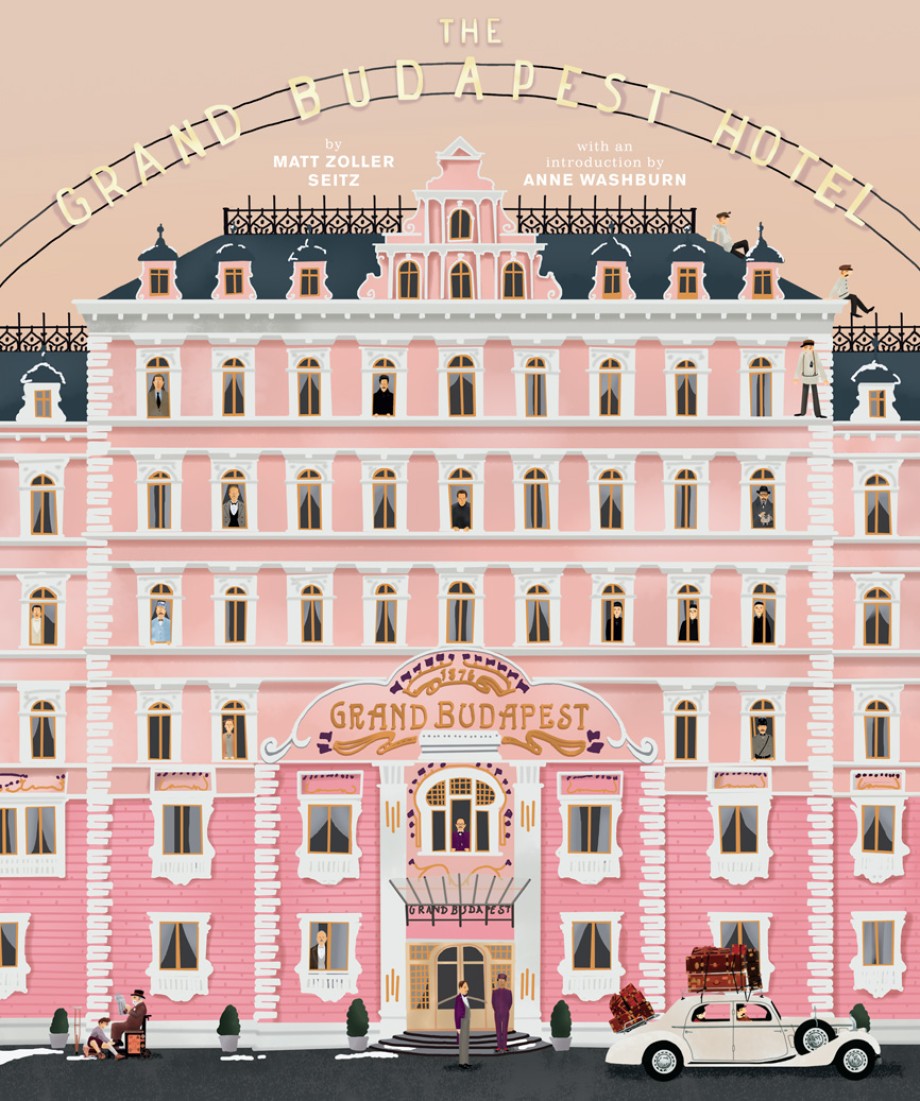
The visual identity of the hotel draws heavily from real-world icons of luxury. The facade, with its distinct pastel pink hue and sprawling symmetrical wings, mirrors the grandeur of the Grandhotel Pupp and the Hotel Imperial located in Karlovy Vary within the Czech Republic. These locations were historically the playgrounds of aristocrats and the wealthy elite, offering sprawling vistas and intricate stonework.
Inside, the hotel is a labyrinth of meticulously planned spaces. The lobby, characterized by its soaring ceilings, red carpets, and ornate concierge desk, serves as the stage for the hotel’s daily performance. The filming of these interiors took place in the Gorlitz Department Store in Gorlitz, Germany, a building that captures the Art Nouveau style common in Saxony and Prague. This architectural choice highlights the hotel’s “aboutness”: it is about the creation of a curated reality where every chandelier, elevator car, and velvet curtain is a testament to the pursuit of aesthetic perfection.
The Evolution of Design: From Pink Grandeur to Brutalist Functionalism
A significant part of the hotel’s identity is its transformation over time. The transition from the vibrant, opulent 1930s decor to the muted, functionalist aesthetic of the 1960s reflects the broader trends in the hospitality industry. During the mid-century period, many grand hotels across Austria and Germany underwent renovations that stripped away the “frivolous” ornamentations of the past in favor of wood paneling and utilitarian lighting. This shift illustrates the hotel’s struggle to maintain its soul while adapting to a world that increasingly valued efficiency over elegance. The Grand Budapest Hotel is about this tension—the battle between the enduring spirit of traditional luxury and the inevitable encroachment of modernization.
The Philosophy of the Concierge: The Invisible Engine of the Hotel
One cannot discuss the Grand Budapest Hotel without addressing the human element of its operation. In the world of high-end accommodation, the staff are as much a part of the infrastructure as the walls themselves. The hotel is about the professionalization of service, embodied by the legendary Monsieur Gustave H., the facility’s devoted concierge.
M. Gustave and the Standards of Elite Service
The role of the concierge in a premier establishment like the Grand Budapest Hotel goes far beyond making dinner reservations. It is about anticipation—knowing what a guest requires before they realize it themselves. Gustave H. represents the “old school” of hotel management, where the concierge is a confidant, a fixer, and a guardian of the hotel’s reputation. Whether managing the intricate details of a high-profile guest’s stay or training a new “lobby boy,” the focus is on a standard of excellence that borders on the religious. This dedication is seen in real-world institutions such as the Ritz Paris or the Savoy Hotel in London, where the staff’s identity is inextricably linked to the prestige of the house.

The Society of the Crossed Keys: A Network of Hospitality Excellence
A fascinating aspect of the hotel’s lore is the Society of the Crossed Keys. This fictionalized version of the real-world Les Clefs d’Or (The Golden Keys) highlights the global network of hotel professionals. This network ensures that a guest of a grand hotel receives the same level of impeccable service regardless of whether they are in Vienna, Budapest, or Paris. The existence of such a society proves that the Grand Budapest Hotel is about a shared culture of hospitality that transcends national borders, creating a sovereign territory of manners and grace.
Life Within the Walls: Amenities, Suites, and the Guest Experience
To understand what the hotel is about, one must look at the specific experiences it offers its patrons. A luxury hotel is a sensory ecosystem, and the Grand Budapest Hotel excels in every category, from gastronomy to wellness.
The Art of Fine Dining and the Signature Mendel’s Pâtisserie
The dining experience is a cornerstone of the hotel’s identity. In the grand tradition of European resorts, the dining room is a theater of social interaction. The inclusion of the fictional Mendel’s bakery, known for its “Courtesan au Chocolat,” emphasizes the importance of artisanal amenities. In the real world, hotels like the Hotel Adlon in Berlin or the Waldorf Astoria in New York City have long used their unique culinary offerings—be it a specific pastry or a world-class tea service—to define their brand. The Grand Budapest Hotel is about these small, perfect details that elevate a stay from a mere lodging experience to a lifelong memory.
Thermal Baths and the Rituals of Relaxation
As a spa-centric resort in Nebelsbad, the hotel also focuses heavily on the “sanitas per aquam” (health through water) philosophy. This was a hallmark of 19th and early 20th-century tourism in Central Europe. The grand baths of the hotel, inspired by the bath culture of Baden-Baden and Budapest, represent the hotel’s commitment to the holistic well-being of its guests. These amenities were designed to facilitate long-term stays, where guests would spend weeks or even months “taking the waters.” This aspect of the hotel reflects a time when travel was slow, deliberate, and deeply intertwined with the pursuit of health and leisure.
The Legacy of the Grand Hotel in the Modern Era
Finally, the Grand Budapest Hotel is about legacy and the preservation of a disappearing world. It serves as a romanticized memory of an era before the democratization of travel, when the “Grand Hotel” was the epicenter of local culture and international diplomacy.
Preservation of Tradition in a Changing World
As the narrative of the hotel progresses, we see it weather the storms of war and political upheaval. This reflects the real history of many iconic properties in Switzerland and the United States. Some hotels, like the Palace Hotel, managed to preserve their original splendor, while others were repurposed or fell into decay. The Grand Budapest Hotel is a tribute to the resilience of these institutions. It suggests that even when the physical building fades or the wallpaper peels, the standard of service and the “vibe” of the establishment can be carried forward by those who understand its importance.
Why the Grand Budapest Model Remains a Benchmark for Luxury
In the modern hospitality landscape, the principles of the Grand Budapest Hotel are more relevant than ever. Boutique hotels and luxury resorts worldwide, from the Beverly Hills Hotel in California to the historic lodges in Dresden, look to this “grand” model to find ways to personalize the guest experience. They understand that people do not just pay for a room; they pay for a sense of belonging to an era of elegance.
Ultimately, the Grand Budapest Hotel is about the romantic ideal of the hotel as a home away from home—a place where everyone is treated with dignity, where the linens are always crisp, and where the concierge always knows your name. It is a celebration of the hospitality industry’s ability to create a world that is, perhaps, a little more beautiful and a little more organized than the one outside its front doors. Whether it is through the lens of architectural history or the philosophy of service, the hotel remains a timeless symbol of what it means to truly host.
LifeOutOfTheBox is a participant in the Amazon Services LLC Associates Program, an affiliate advertising program designed to provide a means for sites to earn advertising fees by advertising and linking to Amazon.com. Amazon, the Amazon logo, AmazonSupply, and the AmazonSupply logo are trademarks of Amazon.com, Inc. or its affiliates. As an Amazon Associate we earn affiliate commissions from qualifying purchases.