
The Overlook Hotel remains one of the most iconic structures in the history of American literature and cinema. While the hotel itself is a fictional entity created by Stephen King in his 1977 masterpiece The Shining, its physical existence is a fascinating tapestry woven from several real-world locations. To understand what the hotel in The Shining truly is, one must look at a collection of historic landmarks that span from the Rocky Mountains of Colorado to the rugged peaks of Oregon, and even into the soundstages of England.
The Stanley Hotel: The Inspiration in Estes Park
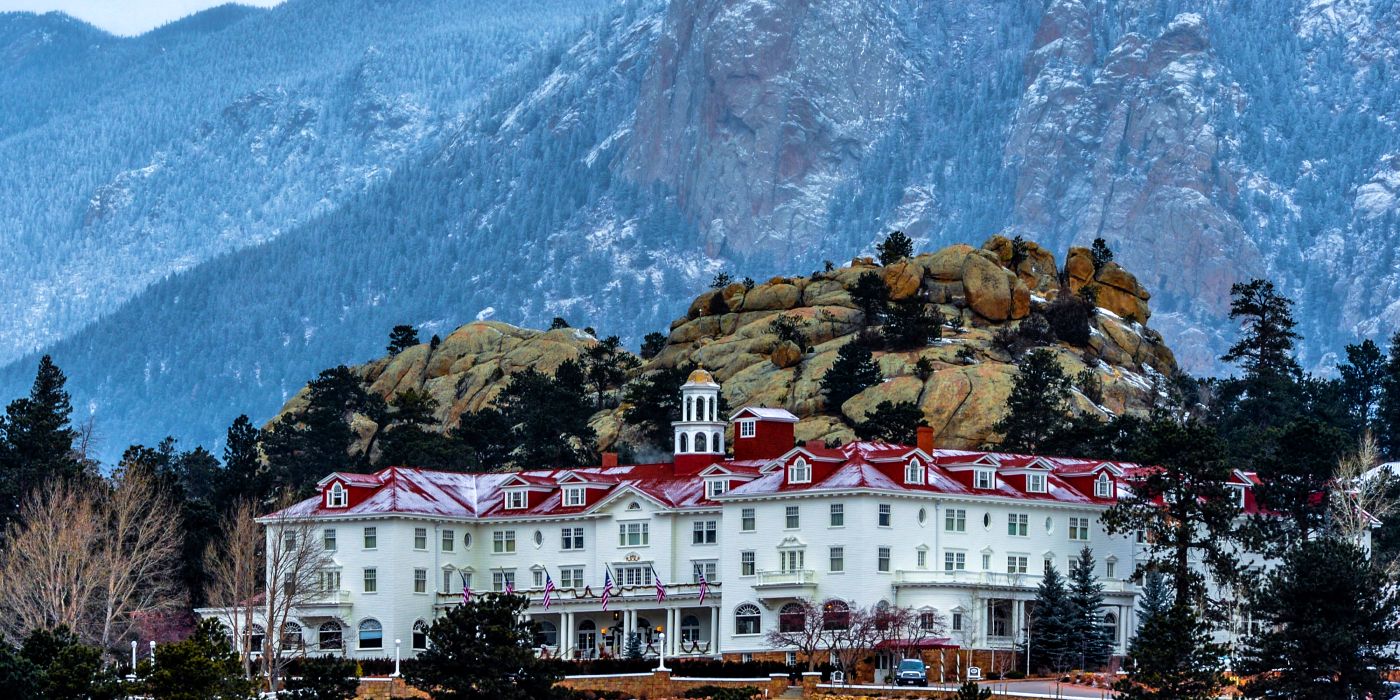
For Stephen King, the true Overlook Hotel is The Stanley Hotel. Located in Estes Park, Colorado, this grand Colonial Revival structure served as the direct catalyst for the novel. In late September 1974, Stephen King and his wife, Tabitha King, checked into the hotel just as it was closing for the winter season. They were the only guests in the massive building, a scenario that sparked the terrifying concept of a family isolated in a sentient, malevolent resort.

The History of The Stanley Hotel
The hotel was built by F.O. Stanley, the co-inventor of the Stanley Steamer automobile. After being diagnosed with tuberculosis, F.O. Stanley sought the dry, crisp air of the Rocky Mountains to recover. Finding the lifestyle to his liking, he decided to build a luxury hotel that would bring East Coast sophistication to the rugged wilderness of the West. Opened in 1909, The Stanley Hotel quickly became a premier destination for socialites and politicians visiting Colorado.
Room 217 and the Haunting Legacy
During his stay, Stephen King was assigned to Room 217. It is said that while staying there, he had a vivid dream of his young son being chased through the long hallways by a fire hose. By the time he woke up, the skeleton of The Shining was formed. Today, The Stanley Hotel embraces its role as a landmark of horror. Visitors from around the United States flock to Estes Park to participate in ghost tours and stay in the “spirited” rooms. The hotel even added a hedge maze in 2015, a feature that was prominent in the film but not originally part of the Colorado property’s landscape.
Timberline Lodge: The Cinematic Exterior
While The Stanley Hotel provided the narrative spark, the visual identity of the hotel in the 1980 film adaptation was provided by Timberline Lodge. Directed by Stanley Kubrick, the movie sought an exterior that felt more imposing and isolated than the Colonial Revival charm of The Stanley Hotel. Kubrick chose Timberline Lodge, situated on the south slope of Mount Hood in Oregon, to represent the Overlook Hotel in all exterior establishing shots.
Architectural Significance of Timberline
Timberline Lodge is a masterpiece of Cascadian Architecture. Built during the Great Depression by the Works Progress Administration, the lodge was a project designed to provide employment for local artisans and laborers. It was dedicated by President Franklin D. Roosevelt in 1937. The structure is characterized by its massive stone foundations and heavy timber framing, all of which were sourced from the surrounding Cascade Range.
The Mystery of Room 237
A famous piece of trivia involving Timberline Lodge concerns the room numbers. In the novel, the “forbidden” room is Room 217. However, the management of Timberline Lodge reportedly asked Stanley Kubrick to change the number to a non-existent room so that future guests would not be afraid to stay there. Consequently, Kubrick changed it to Room 237. Ironically, Room 217 remains the most requested room at The Stanley Hotel, while guests at Timberline Lodge often seek out the atmosphere of the film despite the lodge not having the famous hedge maze or the interior layout seen on screen.
The Ahwahnee Hotel: The Interior Design Influence
One of the most disorienting aspects of the Overlook Hotel in the film is its interior. Stanley Kubrick did not film the interiors at The Stanley Hotel or Timberline Lodge. Instead, the massive, sprawling sets were built at Elstree Studios in Borehamwood, Hertfordshire, near London. To design these sets, Kubrick and his production designer, Roy Walker, drew heavy inspiration from The Ahwahnee Hotel.
Yosemite’s Architectural Gem
The Ahwahnee Hotel, located in Yosemite National Park, California, provided the aesthetic blueprint for the Overlook Hotel’s Great Lounge. The hotel is a National Historic Landmark and is renowned for its “National Park Service Rustic” style. Its combination of Art Deco, Native American motifs, and Colonial elements created a unique, slightly unsettling atmosphere that Kubrick wanted to replicate.
Replicating the Grandeur
The large windows, the fireplace, and the specific patterns of the rugs in the Overlook Hotel were all modeled after the Ahwahnee. The film’s “Colorado Lounge” set is almost a mirror image of the Great Lounge in California. By using these real-world architectural cues, Kubrick created a space that felt authentically American and grand, yet impossibly large and structurally illogical. This “impossible architecture”—where doors lead to nowhere and windows appear in places that should be solid walls—was a deliberate choice to unsettle the audience as they navigated the fictional corridors of the Overlook Hotel.
Cultural Significance and Modern Tourism
Today, the hotel in The Shining exists as a “distributed landmark.” It is not one single place, but a collection of destinations that film buffs and history enthusiasts can visit to experience the legacy of Jack Torrance and his descent into madness.
Visiting Estes Park and Mount Hood
Travelers heading to Colorado often make The Stanley Hotel their primary destination. Beyond its connection to Stephen King, the hotel offers stunning views of Longs Peak and the Rocky Mountain National Park. It has become a hub for paranormal researchers and fans of the 1997 television miniseries version of The Shining, which was actually filmed on-site at The Stanley Hotel to satisfy King’s desire for a more faithful adaptation.
On the other hand, those visiting Portland or Government Camp in Oregon can drive up the winding roads of Mount Hood to see Timberline Lodge. The lodge remains a functioning ski resort and a testament to the craftsmanship of the 1930s. Standing on the exterior terrace, one can easily imagine the terrifying isolation depicted in Kubrick’s film, especially when the winter snow piles high against the stone walls.

The Overlook as a Cultural Landmark
The Overlook Hotel has transcended its status as a mere setting for a story. It has become a landmark of the human psyche, representing the thin line between civilization and the primal forces of nature and the mind. Whether it is the Colonial elegance of The Stanley Hotel, the rugged timbers of Timberline Lodge, or the Native American influenced interiors of the Ahwahnee Hotel, each of these landmarks contributes to the enduring power of The Shining.
For the architecturally minded, these buildings represent the pinnacle of early 20th-century resort design in the United States. They were built to provide escape and luxury in the most remote corners of the country. However, through the lens of Stephen King and Stanley Kubrick, they have also become symbols of the ghosts that haunt the American landscape—ghosts of the past that refuse to stay buried.
In conclusion, the hotel in The Shining is a composite landmark. It is the literary soul of The Stanley Hotel in Estes Park, the cinematic face of Timberline Lodge in Oregon, and the atmospheric interior of the Ahwahnee Hotel in Yosemite National Park. Together, these real-world locations create a fictional space that continues to haunt the collective imagination of the world.
LifeOutOfTheBox is a participant in the Amazon Services LLC Associates Program, an affiliate advertising program designed to provide a means for sites to earn advertising fees by advertising and linking to Amazon.com. Amazon, the Amazon logo, AmazonSupply, and the AmazonSupply logo are trademarks of Amazon.com, Inc. or its affiliates. As an Amazon Associate we earn affiliate commissions from qualifying purchases.