
Navigating the bustling streets of New York City requires a reliable understanding of its extensive public transportation network. While the subway often captures the spotlight, the surface-level bus system is a vital artery for commuters and visitors alike, offering a scenic and accessible way to traverse the five boroughs. Whether you are traveling from the heart of Manhattan to the artistic enclaves of Brooklyn, or exploring the vibrant neighborhoods of Queens, knowing how the fare system works is the first step toward a seamless journey.
Understanding the Current Fare Structure
The Metropolitan Transportation Authority, commonly referred to as the MTA, manages the vast majority of bus routes throughout the city. As of the current fiscal year, the standard fare for a single local bus ride is $2.90. This flat-fare system simplifies travel, allowing passengers to reach their destination regardless of the distance traveled within the city limits.

The Evolution of Payment Methods
Gone are the days of relying solely on physical tickets or magnetic stripe cards. The transition toward OMNY, the city’s contactless fare payment system, has revolutionized the way residents and tourists board the bus. Passengers can now pay their fare by simply tapping a contactless credit or debit card, a smartphone with a digital wallet, or a wearable device at the OMNY reader located at the bus entrance. For those who prefer traditional methods, the MetroCard is still accepted, though it is being phased out in favor of the more efficient, modern OMNY technology.
Transfers and Fare Rules
One of the most traveler-friendly aspects of the New York City bus system is the transfer policy. When using OMNY or a MetroCard, a single fare entitles you to a free transfer between buses or between a bus and the subway within a two-hour window. This makes it incredibly cost-effective to combine different modes of transit to reach hidden gems in the Bronx or the coastal charms of Staten Island.
Specialized Services and Fare Variations
While the standard local bus covers the vast majority of daily travel, certain routes and services operate under different structures that travelers should be aware of before stepping on board.
Express Bus Fares
If you are looking to travel longer distances quickly—such as from Staten Island into Midtown—the Express Bus network is an excellent option. Unlike local routes, Express Buses carry a premium fare. As of current regulations, the fare for an Express Bus ride is $7.00. These buses offer a more comfortable, commuter-focused experience with fewer stops, making them an ideal choice for those who need to bypass the congestion of heavy city traffic.
Reduced Fare Programs
The city remains committed to accessibility through its Reduced Fare program. Seniors aged 65 and older, as well as riders with qualifying disabilities, are eligible for reduced fares on both local and Express Buses. These individuals can apply for a Reduced-Fare MetroCard, which allows them to pay half the cost of a standard ride. Furthermore, the Fair Fares NYC program provides discounts to low-income residents, ensuring that transportation remains an equitable utility for all who call the United States home.
Children and Students
The MTA also prioritizes student and family accessibility. Children under 44 inches tall can ride for free when accompanied by a fare-paying adult. Additionally, public school students in New York City are often provided with student transit passes, removing the financial burden of getting to and from educational institutions.
Practical Tips for Bus Travel Success
Mastering the bus system in a city as expansive as this one requires a bit of strategy. Knowing how to pay is only half the battle; knowing how to navigate the system is where the real value lies.
Utilizing Mobile Apps
In an age of real-time data, there is no need to stand at a bus stop wondering when the next vehicle will arrive. Apps such as Citymapper and Google Maps provide up-to-the-minute tracking of buses, helping you plan your journey based on live traffic conditions. This is particularly helpful when traveling through dense areas like Times Square or Central Park, where traffic congestion can often lead to unpredictable delays.
Boarding and Alighting
When boarding a bus, always have your payment method ready to tap at the OMNY reader. While you are generally expected to board at the front, many Select Bus Service (SBS) routes allow for off-board fare collection. On these specific routes, you pay at a kiosk on the sidewalk before boarding, and then enter through any door. Keep an eye out for the distinctive blue bus shelters that signify an SBS route.
Safety and Etiquette
The bus is a shared space, and maintaining proper etiquette ensures a smoother experience for everyone. Always offer your seat to those in need, keep your voice at a moderate level, and be prepared to move toward the back of the bus to allow others to board. Most buses are equipped with cameras and are monitored to ensure passenger safety, making them a secure way to explore the various boroughs, from the historic streets of Lower Manhattan to the vibrant communities in Queens.
Budgeting for Your Trip
For visitors planning a multi-day stay in the city, budgeting for transportation is essential. While a single fare is affordable, the costs can accumulate over a week-long vacation.
The OMNY Fare Cap
The most significant benefit of the OMNY system is the weekly fare cap. Once you pay for 12 rides using the same device or contactless card within a seven-day period (Monday through Sunday), all subsequent rides for the remainder of that week are free. This automatic feature effectively provides a “weekly pass” without the need to purchase a physical ticket in advance. By simply tapping your phone every time you board, you can navigate the entire city with the peace of mind that you will never exceed a pre-determined weekly limit.

Avoiding Scams
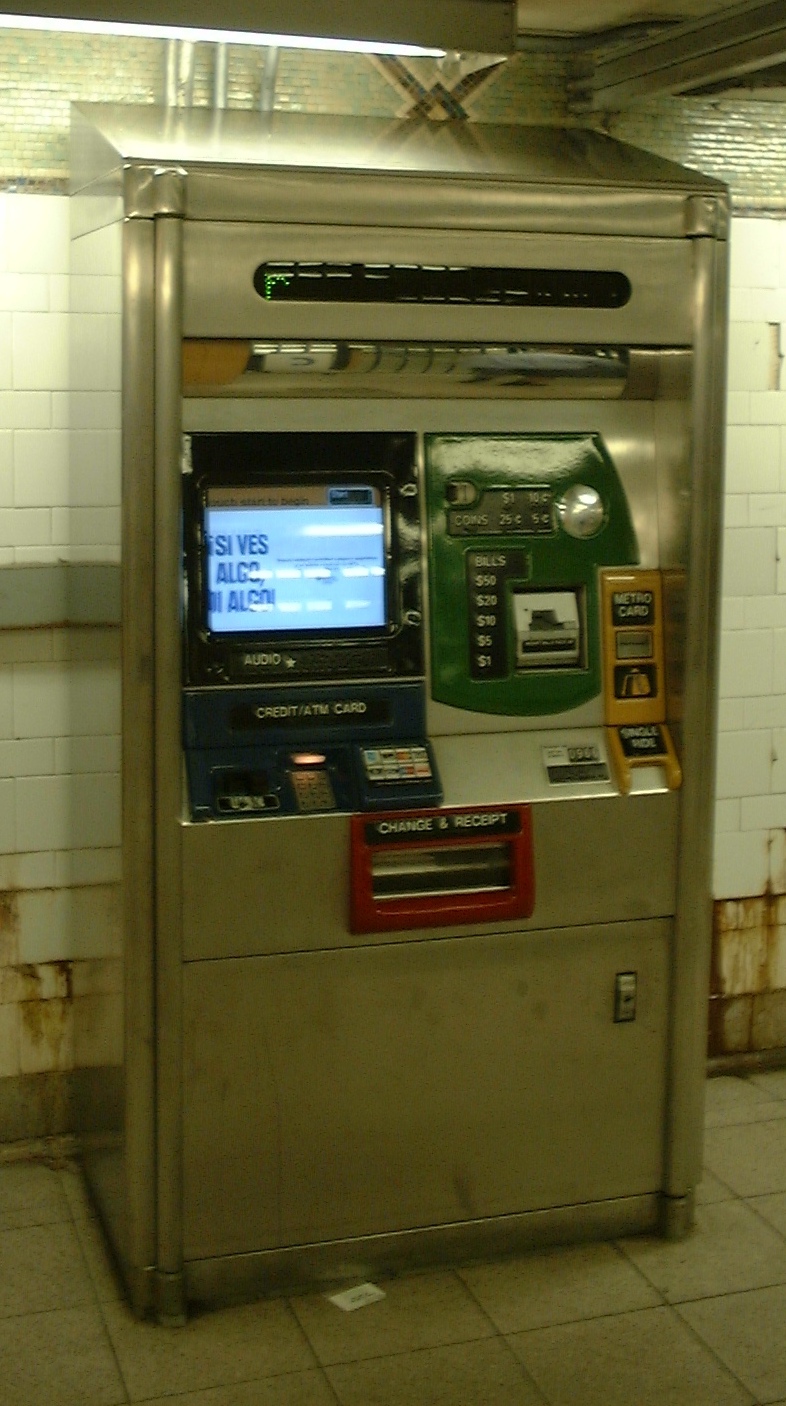
Be wary of individuals at stations or bus stops claiming to sell discounted transit passes. Always purchase your credit or top up your MetroCard at official MTA vending machines located in subway stations or use your own contactless bank card directly at the OMNY reader. Stick to official, established payment methods to ensure your travel funds are secure.
By understanding the fare structure, taking advantage of transfer policies, and utilizing modern payment technologies, you can traverse the vast and diverse landscape of New York City with confidence. Whether you are catching a bus to Grand Central Terminal or heading out for a night in Williamsburg, the public bus system remains one of the most reliable and affordable ways to immerse yourself in the city’s unique culture and energy.
LifeOutOfTheBox is a participant in the Amazon Services LLC Associates Program, an affiliate advertising program designed to provide a means for sites to earn advertising fees by advertising and linking to Amazon.com. Amazon, the Amazon logo, AmazonSupply, and the AmazonSupply logo are trademarks of Amazon.com, Inc. or its affiliates. As an Amazon Associate we earn affiliate commissions from qualifying purchases.