
For many visitors and residents alike, the rhythm of New York City is dictated by the constant hum of its subterranean transit system. Known globally as a marvel of urban engineering, the New York City Subway is one of the few transit networks in the world that never truly sleeps. If you have ever wondered about the logistical reality of traversing the five boroughs in the dead of night, you are not alone. Understanding the nuances of 24-hour service is essential for any traveler aiming to maximize their time in the city that never sleeps.
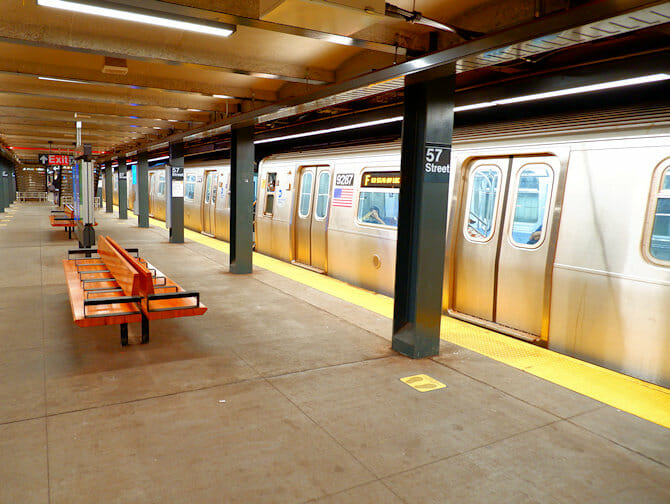
The 24/7 Reality of Metropolitan Transit
The hallmark of the Metropolitan Transportation Authority, or MTA, is its commitment to around-the-clock operations. Unlike many major international capitals—such as London, Paris, or Tokyo, where transit services often shutter shortly after midnight—the subway system in New York maintains operations 24 hours a day, 365 days a year.
How Service Changes After Midnight
While the trains technically run all night, the experience of riding them changes significantly once the clock strikes 12:00 AM. During the “owl” hours—typically defined as the period between midnight and 5:00 AM—service frequency drops considerably. While you might be accustomed to waiting only three to five minutes for a train in the middle of the day, nighttime travelers should prepare for headways ranging from 20 to 30 minutes.
Essential Nighttime Navigation
For those exploring nightlife in Manhattan or returning from a late-night show near Times Square, planning is vital. The MTA website and various real-time transit applications become your best tools during these hours. It is important to note that many express lines transition to local service during the night. If you are accustomed to hopping on an express train to cross town quickly, you may find that the train stops at every single station along the route after midnight, effectively doubling your travel time.
Navigating Infrastructure Challenges and Maintenance
One of the most frequent questions regarding late-night subway travel concerns why some routes seem to deviate or terminate unexpectedly. The answer lies in the massive, ongoing effort to maintain a system that is over a century old.
The “Fastrack” Maintenance Program
The MTA utilizes the lower ridership levels of the late-night hours to perform critical infrastructure upgrades. Because the system lacks redundant tracks in many areas, the only way to perform significant repairs—such as track replacement, tunnel cleaning, or signal modernization—is to temporarily shut down certain lines or divert service to parallel tracks.

What to Expect During Maintenance
If you are planning to travel through boroughs like Brooklyn or Queens during the early morning hours, it is common to encounter “Planned Service Changes.” These are usually announced via signage in stations and on the MTA website days in advance. Travelers should watch for:
- Shuttle Buses: In cases of major construction, the MTA often provides free bus service that mirrors the subway route, stopping at every station along the line.
- Station Closures: While the lines themselves remain open, specific entrances to large stations like Grand Central Terminal or Penn Station may be gated off to consolidate security and maintenance efforts.
Safety and Security in the Late Hours
Public transit safety is a priority for the New York City Police Department. The subway is generally safe at all hours, but seasoned New Yorkers abide by a set of unwritten rules to ensure a smooth journey.
Strategic Boarding Tips
When traveling late at night, the MTA recommends boarding the train in the “conductors’ car,” which is usually located in the middle of the train. The conductor is positioned in the center, and this area is typically more populated with other riders, which can offer a greater sense of security. Additionally, keeping your surroundings visible and staying off your phone near the platform edge are standard safety precautions that apply during all hours of the day.
The Transit Experience Beyond the Platform
For those who prefer to avoid the subway after a late dinner in Greenwich Village or Williamsburg, the city offers plenty of alternatives. Ride-sharing services and the iconic yellow New York City Taxi fleet remain abundant. However, for those on a budget or looking for a truly authentic New York experience, the subway remains the most reliable and affordable way to get from The Bronx to Staten Island, even when the city is quiet.
Maximizing Your Late-Night Commute
To make the most of the 24-hour service, remember that flexibility is key. If you find yourself leaving a late-night event near Central Park or the Empire State Building, factor in the extra time required for potentially longer waits and possible service diversions.
Utilizing Digital Tools
In the modern era, the guesswork has been largely removed from the subway experience. Apps that integrate MTA data provide real-time status updates, including alerts for stalled trains or emergency maintenance. Before you head to the turnstile, a quick glance at your smartphone can tell you exactly when the next train is approaching and whether you need to switch platforms due to ongoing work.
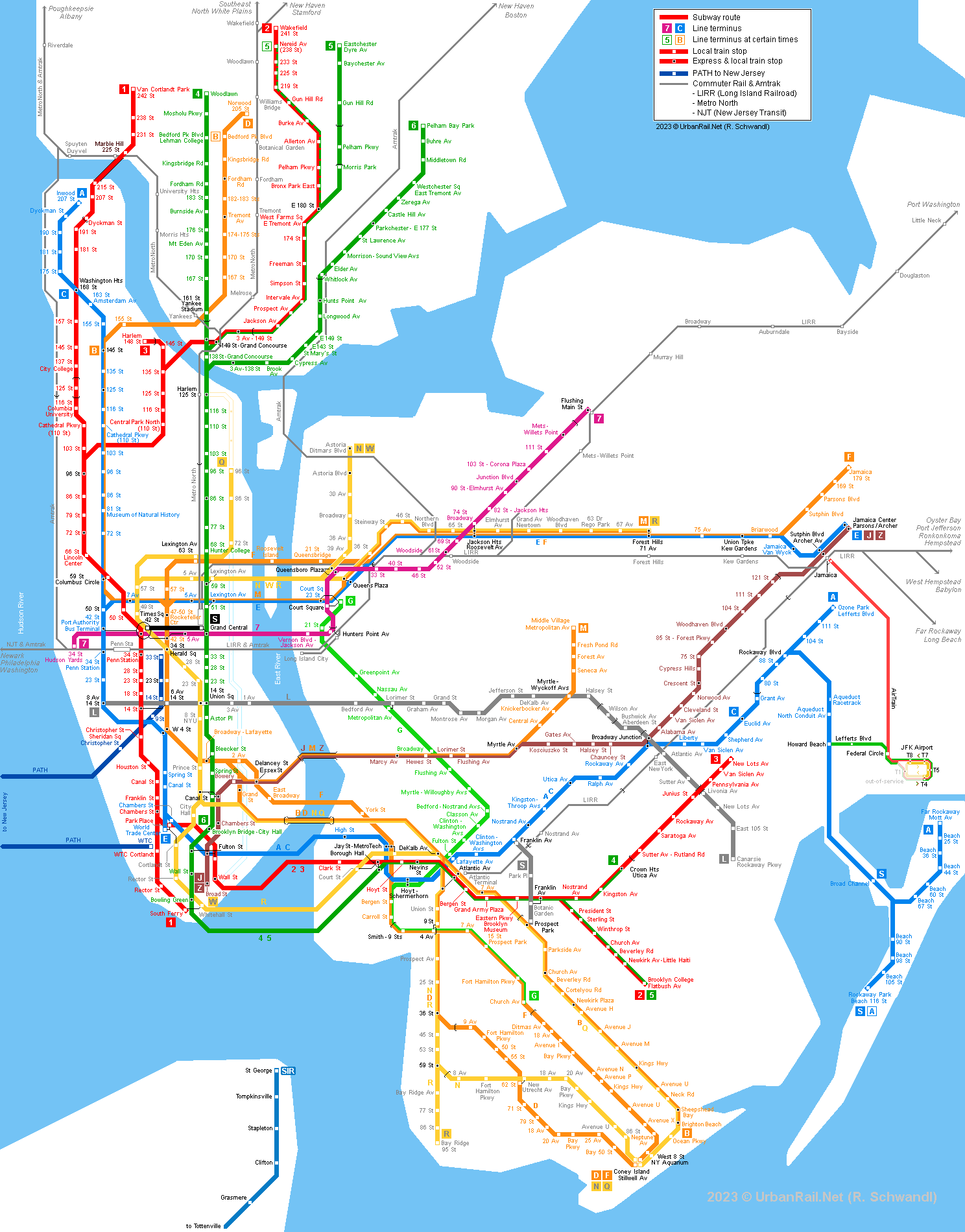
Embrace the Rhythm
The New York City Subway is more than just a means of getting from Point A to Point B; it is the lifeblood of the city. Riding it late at night allows you to see a different side of the metropolis—one that is quieter, more intimate, and incredibly efficient. Whether you are a tourist heading back to your hotel after a night out in SoHo or a local commuter working an overnight shift, the subway stands ready to take you where you need to go, at any hour of the day or night. Just keep your transit card ready, double-check your route for any late-night maintenance, and enjoy the unique experience of moving through the heart of America while the rest of the world sleeps.
LifeOutOfTheBox is a participant in the Amazon Services LLC Associates Program, an affiliate advertising program designed to provide a means for sites to earn advertising fees by advertising and linking to Amazon.com. Amazon, the Amazon logo, AmazonSupply, and the AmazonSupply logo are trademarks of Amazon.com, Inc. or its affiliates. As an Amazon Associate we earn affiliate commissions from qualifying purchases.