
Navigating the legal landscape for pet owners can be as complex as the winding bayous of Louisiana. For travelers and locals alike, understanding the nuances of animal control regulations is essential for a stress-free experience. Whether you are walking through the historic streets of New Orleans or exploring the natural beauty of Lafayette, being aware of the rules governing your four-legged companion is a vital part of responsible tourism.
The State Perspective on Leash Laws
Unlike some states that impose a singular, uniform mandate across all counties, Louisiana functions primarily under a framework of local autonomy. There is no statewide “blanket” leash law that forces every municipality to adopt identical regulations. Instead, the authority to govern animal behavior and confinement is delegated to local parishes and incorporated cities.

Parish-Level Governance
Because the responsibility falls to the local government, the regulations often shift as you cross parish lines. In some areas, strict “leash and containment” laws are enforced, requiring that animals be restrained whenever they are off the owner’s private property. In more rural regions, the focus may shift toward “stock laws” or laws governing “vicious animals,” rather than a universal requirement for leashing in public spaces.
The Liability Component
Even in jurisdictions where a specific leash law might be absent or loosely defined, the state’s civil code often emphasizes owner liability. Under the Louisiana Civil Code, the owner of an animal is responsible for the damage that the animal causes. This means that even if you are not technically violating a local leash ordinance, you remain financially and legally responsible if your pet causes injury or property damage. For the traveling pet owner, this makes the standard of “leash at all times” the safest and most professional approach to risk management.
Exploring Major Cities and Their Expectations
When visiting urban centers, the expectations for pet conduct are naturally higher than in remote areas. Cities have developed specific codes to manage public health, safety, and the comfort of all citizens in shared spaces.
New Orleans: The Urban Standard
In the iconic city of New Orleans, the local ordinances are quite clear. If you are walking your pet in a public area, the dog must be under the direct control of the owner at all times. While the French Quarter and the vibrant streets of the Garden District are incredibly pet-friendly, they are also densely populated. Local codes generally require that dogs be leashed in public parks and on sidewalks to prevent accidents in high-traffic tourist zones.
Baton Rouge: Public Parks and Compliance
In Baton Rouge, municipal codes are robust. Residents and visitors are expected to maintain control of their pets in any public place. Within the Baton Rouge City Park, for example, the rules typically mandate that dogs remain on a leash unless they are within the confines of a designated dog park. Ignoring these rules can lead to citations, which can certainly dampen the spirit of a vacation.
Shreveport and Northern Expectations
Further north, in Shreveport, the city ordinances emphasize that animals must not be allowed to “run at large.” This terminology is common in legal texts and implies that an animal found off its owner’s premises without a tether is in violation of the code. Whether you are visiting the Shreveport Aquarium or walking near the Red River, it is prudent to keep your pet secured.

Best Practices for the Traveling Pet Owner
Navigating the local culture with a pet requires more than just knowing the law; it requires a commitment to etiquette and preparation. By adhering to a few professional standards, you can ensure that you are always in compliance, regardless of the specific parish rules.
The Golden Rule of Leashing
The safest policy for any traveler is to treat every public space as if it has a strict, mandatory leash law. Even if a specific walking trail or park allows off-leash play, keeping your pet on a lead provides a layer of safety that protects both your animal and the local wildlife. In the fragile ecosystems of places like Honey Island Swamp, keeping a dog restrained is not just about the law—it is about respecting the natural environment and local fauna.
Essential Gear for the Road
To remain professional and prepared, ensure you are carrying the following when traveling with a pet:
- A Sturdy Leash: Avoid retractable leads in crowded, historic areas where you need to keep your pet close to your side.
- Identification: Ensure your pet’s collar has a current tag with your cell phone number.
- Waste Disposal Supplies: A failure to pick up after your pet is often a more significant legal and social violation than the leash status itself.
- Proof of Vaccination: Keep a digital copy of your pet’s rabies vaccination records on your phone, as some parks or pet-friendly establishments may request this documentation.
Identifying Pet-Friendly Zones
Before setting out, utilize digital resources to identify which parks and landmarks are truly welcoming to dogs. Many businesses in Lafayette are very accommodating to well-behaved pets, but always call ahead. When you enter an establishment that permits pets, remember that your pet is acting as an ambassador for other travelers. A well-trained, leashed pet is far more likely to be invited back than one that is allowed to roam freely.
Understanding the “Why” Behind the Laws
The regulations surrounding pets in public spaces are designed with three core goals: public health, safety, and environmental protection. When you are visiting Louisiana, you are engaging with a unique culture and ecosystem.
Wildlife Protection
The state is home to a diverse array of wildlife, including alligators and various protected bird species. Dogs that are off-leash are at a higher risk of disturbing these animals or, worse, becoming victims themselves in areas near waterways. By leashing your dog, you are actively participating in the conservation efforts of the region.
Public Harmony
In major tourism hubs, the density of foot traffic is high. A sudden encounter with an off-leash dog, even a friendly one, can be distressing to other travelers, small children, or individuals with a fear of animals. The law seeks to create a predictable environment where everyone—dog owners and non-owners alike—can enjoy public amenities.
Avoiding Legal Friction
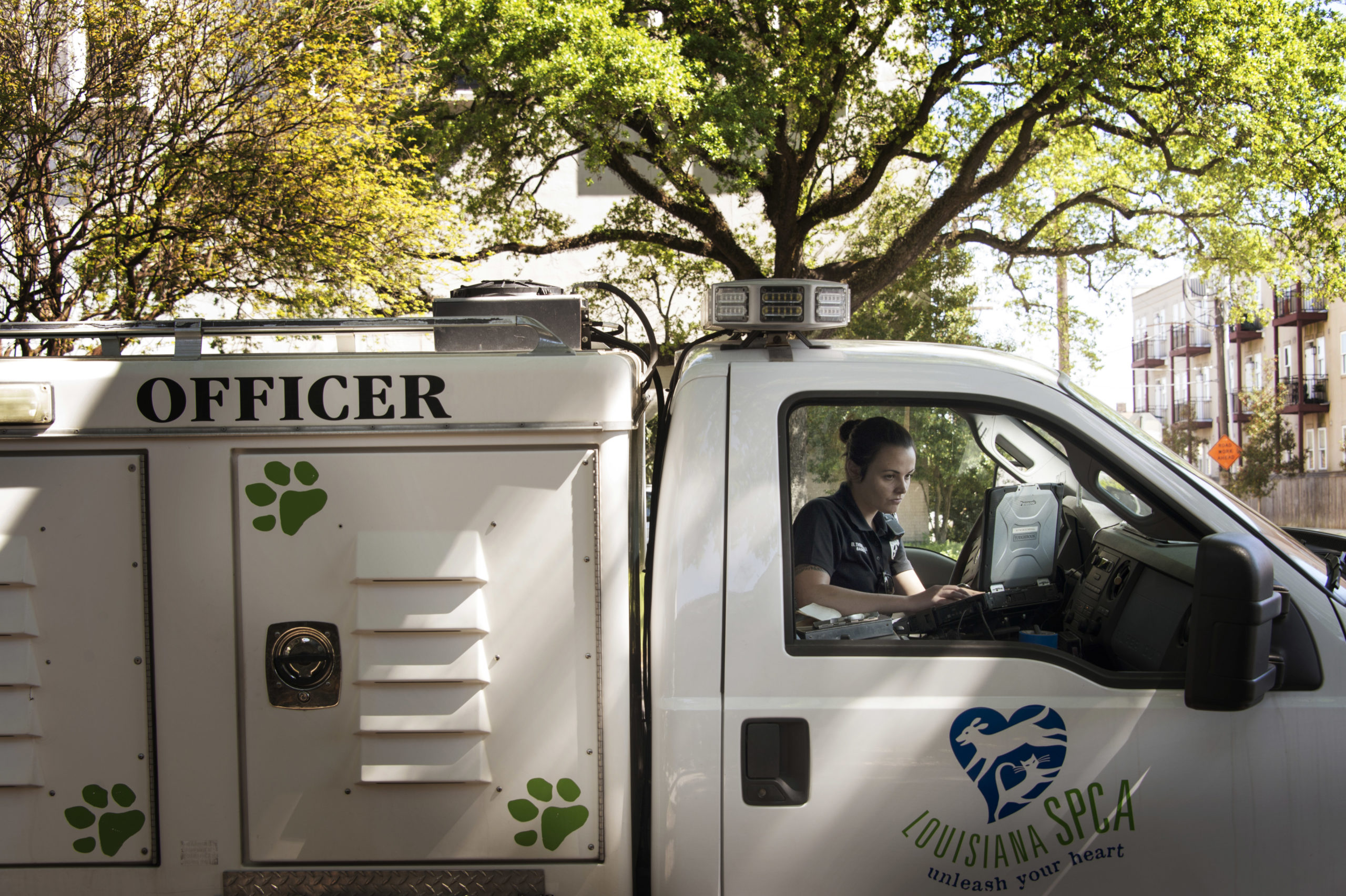
Finally, the primary reason to follow the “leash-on” protocol is to avoid the complications of local enforcement. If an officer determines that your pet is “at large,” the result could be a fine, the impoundment of your animal, or an escalation that ruins your trip. Local law enforcement officers are tasked with ensuring the safety of their communities, and adhering to the leash rules is a sign of respect for their role in maintaining order in New Orleans, Baton Rouge, and beyond.
Conclusion
Does Louisiana have a leash law? While there is no singular statewide statute, the effective answer for the responsible traveler is a resounding “yes.” Every major municipality and local government body has the authority to regulate animal behavior, and they exercise that authority through local ordinances that demand control and containment. By keeping your pet leashed, you are not only abiding by the spirit of the law but also ensuring a safe, pleasant, and stress-free adventure through the heart of the Deep South. Whether you are enjoying the culinary delights of Lafayette or the historic architecture of Shreveport, a leashed pet is a welcome guest.
LifeOutOfTheBox is a participant in the Amazon Services LLC Associates Program, an affiliate advertising program designed to provide a means for sites to earn advertising fees by advertising and linking to Amazon.com. Amazon, the Amazon logo, AmazonSupply, and the AmazonSupply logo are trademarks of Amazon.com, Inc. or its affiliates. As an Amazon Associate we earn affiliate commissions from qualifying purchases.