
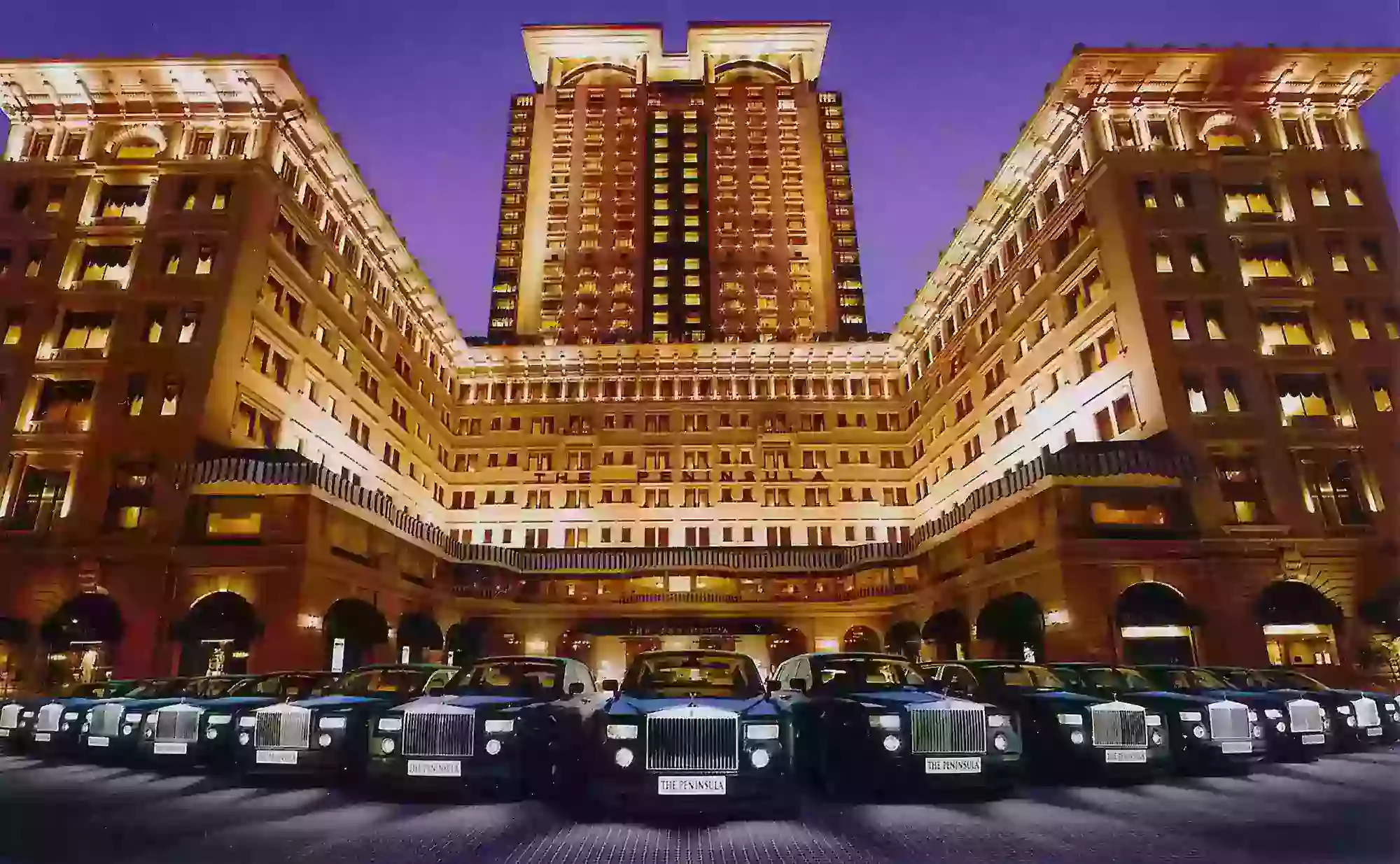
The concept of a five-star hotel is often synonymous with opulence, exclusivity, and an uncompromising dedication to excellence. While the term is frequently used in casual conversation to describe any high-quality establishment, the transition from a four-star rating to the coveted five-star status is a rigorous process defined by strict criteria, meticulous inspections, and an obsession with detail. In the world of luxury hospitality, a five-star designation is not merely a marketing tool; it is a promise of a flawless experience where every guest’s need is anticipated before it is even articulated.
Understanding what truly makes a hotel five-star requires looking beyond the thread count of the linens or the gold leaf in the lobby. It involves an intricate balance of architectural grandeur, technological sophistication, and, most importantly, a human element that elevates service into an art form. From the iconic hallways of The Ritz-Carlton to the modern marvels of Dubai, the standards of luxury continue to evolve, setting new benchmarks for what travelers can expect from the world’s finest accommodations.
The Global Standards of Luxury Hospitality
Unlike some industries that have a single governing body, the hotel industry relies on a variety of regional and international rating systems. While this can lead to slight variations in what constitutes “five stars,” the core requirements remain remarkably consistent across the globe. Whether a property is located in London or Tokyo, it must adhere to a framework that emphasizes both physical facilities and service quality.
The Role of Independent Rating Organizations
One of the most respected authorities in the luxury travel sector is the Forbes Travel Guide. Known for its “Star Awards,” this organization sends professional inspectors to properties worldwide to evaluate them against up to 900 objective standards. To achieve a five-star rating from Forbes Travel Guide, a hotel must demonstrate exceptional service, often defined by the staff’s ability to provide a seamless and personalized experience.
In the United States and Canada, the AAA Diamond Ratings serve as a primary benchmark. A Five Diamond property represents the pinnacle of luxury, characterized by first-class accommodations and extraordinary amenities. Meanwhile, in Europe, many countries utilize government-regulated systems. For instance, in France, the “Palace” distinction is awarded to hotels that go even beyond the traditional five-star rating, recognizing properties like Hotel de Crillon in Paris for their historical and aesthetic significance.
Regional Differences in Star Classification
While a five-star hotel in Switzerland may share many qualities with one in Singapore, regional cultures often influence the specific markers of luxury. In the United Kingdom, traditional elegance and heritage are highly valued, as seen in legendary establishments like The Savoy or Claridge’s. Conversely, in China or the United Arab Emirates, five-star luxury is often defined by futuristic architecture and record-breaking amenities, exemplified by the Burj Al Arab. Regardless of the location, the common thread is a commitment to providing an environment that is significantly superior to the average lodging experience.
Exceptional Service: The Invisible Heart of Five-Star Hotels
While a beautiful building is impressive, it is the service that truly defines a five-star hotel. In the luxury sector, service is expected to be proactive rather than reactive. This means that staff members are trained to notice subtle cues—such as a guest looking at a map or a preference for a specific type of sparkling water—and act upon them without being asked.
Personalized Guest Recognition
In a five-star environment, you are rarely just a room number. Staff members, from the doormen to the housekeepers, often use the guest’s name throughout their stay. This level of personalization is achieved through sophisticated internal communication systems where guest preferences are recorded and shared among departments. For example, if a guest at the Four Seasons Hotels and Resorts mentions a preference for extra pillows during a stay in New York City, that preference might be waiting for them upon arrival at a sister property in Hong Kong.
Service protocols are incredibly specific. Calls to the front desk are typically answered within three rings, and the staff is expected to maintain a professional yet warm demeanor at all times. There is an emphasis on “intuitive service”—the ability to solve a problem before the guest even realizes it exists.
Concierge Expertise and the Les Clefs d’Or
The hallmark of a truly elite hotel is the quality of its concierge desk. Many five-star properties employ members of Les Clefs d’Or (the Golden Keys), an international association of elite hotel concierges. These professionals possess an unparalleled network of contacts and the ability to secure the impossible—whether it is a last-minute table at a Michelin Guide restaurant or front-row seats to a sold-out show in London. The presence of the crossed golden keys on a concierge’s lapel is a universal symbol of five-star service excellence.
Architecture, Interior Design, and Sensory Luxury
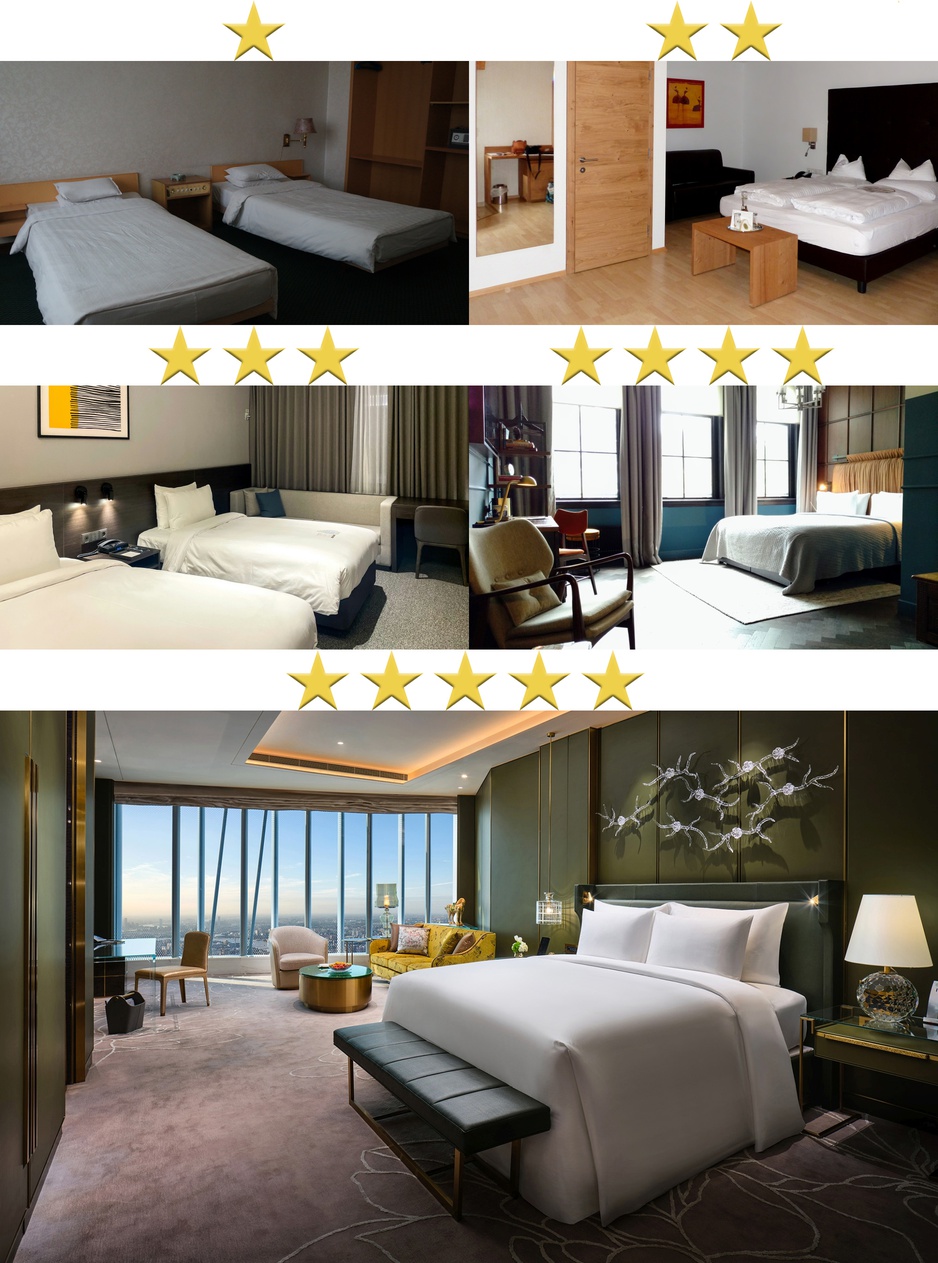
The physical environment of a five-star hotel is designed to be a sanctuary. Every element, from the scent in the lobby to the acoustics of the hallways, is carefully curated to create a sense of calm and exclusivity. These properties often collaborate with world-renowned architects and interior designers to ensure that the aesthetic is both timeless and unique.
Bespoke Aesthetics and High-End Materials
Five-star hotels avoid “cookie-cutter” furniture. Instead, they invest in bespoke pieces, original artwork, and high-quality materials such as Italian marble, rare hardwoods, and hand-woven silks. The Mandarin Oriental group, for instance, is famous for integrating local culture into its design, ensuring that a guest feels a sense of place. In New York, The Plaza Hotel maintains its Gilded Age grandeur, while Aman Tokyo in Japan utilizes minimalist Zen aesthetics to provide a contrast to the bustling city below.
The guest rooms themselves must meet specific spatial requirements. They are typically much larger than standard hotel rooms, featuring separate sitting areas, walk-in closets, and spacious bathrooms. The “five-fixture bathroom”—which includes a bathtub, a separate walk-in shower, two sinks, and a private toilet area—is a common requirement for the highest ratings.
Technology Integration and Invisible Comfort
Modern luxury is also defined by how technology is used to enhance the guest experience without being intrusive. Smart room controls that allow guests to adjust lighting, temperature, and drapery from a bedside tablet are standard in newer five-star properties like Marina Bay Sands in Singapore. High-speed, reliable Wi-Fi is a given, but true luxury lies in the “invisible” technology—soundproofing that ensures total silence despite being in the heart of Manhattan or advanced air filtration systems that provide the purest environment possible.
World-Class Amenities and Culinary Excellence
A five-star hotel is often a destination in its own right, offering everything a traveler might need within its walls. This includes high-end retail, comprehensive wellness facilities, and some of the best dining experiences in the world.
Fine Dining and Mixology
Many five-star hotels house restaurants that have earned their own accolades, including stars from the Michelin Guide. Dining is not just about the food; it is a choreographed performance. The wine list is expected to be extensive, managed by a professional sommelier, and the bar program often features signature cocktails crafted by world-class mixologists. For example, the Raffles Hotel in Singapore is iconic for the Singapore Sling, proving that a hotel’s beverage program can become part of a city’s cultural fabric.
Room service, or “In-Room Dining,” must be available 24 hours a day. The presentation of these meals must match the quality of the hotel’s main dining room, often arriving on linen-draped carts with fine china and silverware.
Wellness, Spas, and Fitness Centers
The modern five-star hotel is a hub for holistic wellness. This goes far beyond a small room with a few treadmills. High-end properties like The St. Regis or Park Hyatt offer expansive spa facilities with steam rooms, saunas, cold plunge pools, and specialized treatments ranging from traditional massages to advanced skincare. Fitness centers are equipped with the latest technology from brands like Peloton and Technogym, often offering personal trainers and private yoga sessions.

The Future of Five-Star Travel
As the world changes, so does the definition of a five-star experience. Today’s luxury travelers are increasingly looking for “experiential luxury”—unique, localized experiences that cannot be replicated elsewhere. This has led to a rise in boutique five-star properties and ultra-luxury resorts in remote locations, such as those found in Maldives or the mountains of Italy.
Sustainability has also become a key pillar of the five-star rating. Leading brands are moving away from single-use plastics and focusing on locally sourced ingredients and energy-efficient building designs. A hotel like The Beverly Hills Hotel in California may maintain its historic charm, but its operations are constantly updated to meet modern ethical and environmental standards.
Ultimately, what makes a hotel five-star is a relentless pursuit of perfection. It is the combination of a physical environment that inspires awe and a service philosophy that treats every guest with the utmost dignity and care. Whether it is the historic elegance of Germany or the ultra-modern luxury of Australia, the five-star label remains the gold standard of global travel, representing the very best that the hospitality industry has to offer.
LifeOutOfTheBox is a participant in the Amazon Services LLC Associates Program, an affiliate advertising program designed to provide a means for sites to earn advertising fees by advertising and linking to Amazon.com. Amazon, the Amazon logo, AmazonSupply, and the AmazonSupply logo are trademarks of Amazon.com, Inc. or its affiliates. As an Amazon Associate we earn affiliate commissions from qualifying purchases.