
Understanding Kansas Turkey Hunting Traditions
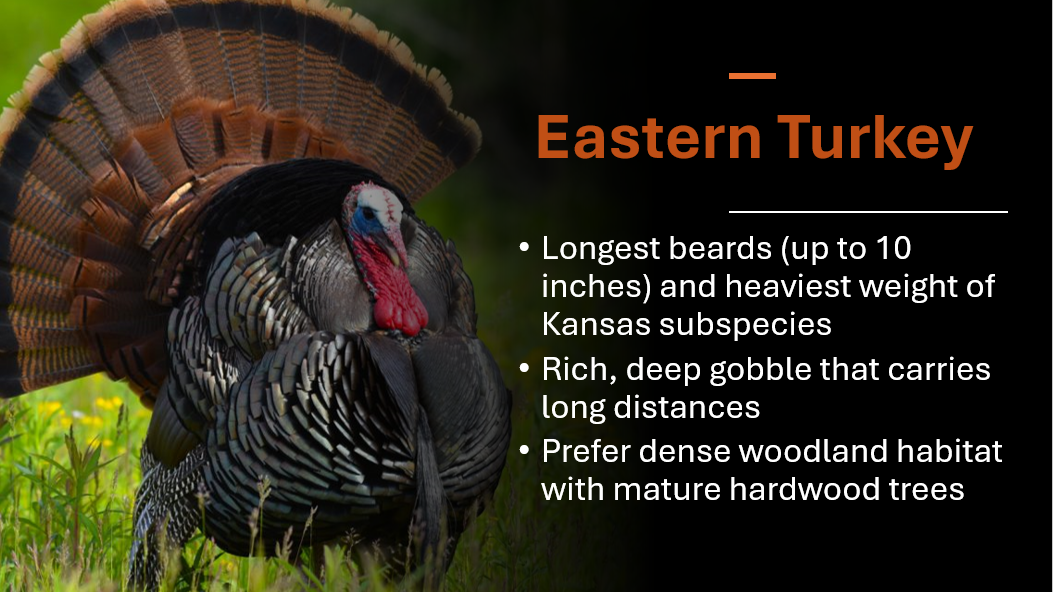
Kansas stands as one of the premier destinations in the United States for turkey hunters, offering sweeping landscapes, abundant wildlife, and a rich sporting heritage. For outdoor enthusiasts planning a trip to the American Midwest, timing is everything. Whether you are aiming for a majestic Eastern wild turkey in the dense timber of the east or a wary Rio Grande or hybrid bird across the rolling mixed plains, understanding the specific calendar of the hunt is essential for a successful journey.
The state’s Department of Wildlife and Parks carefully manages these seasons to ensure sustainable populations while providing ample opportunity for sportsmen. Planning your expedition requires looking closely at state regulations, geographical zones, and the biological behavior of the birds themselves. From the early archery openers to the bustling spring shotgun season, Kansas offers an immersive outdoor experience that draws participants from all corners of the country.

The Appeal of the Sunflower State
Hunting in Kansas is more than just harvesting a game bird; it is an exploration of diverse ecosystems. Hunters traverse everything from the cottonwood-lined river bottoms of the Flint Hills to the agricultural edges near Wichita and Topeka. The landscape changes dramatically from east to west, providing varied challenges and scenic vistas that elevate the entire outdoor adventure.
Furthermore, the state’s generous bag limits and high success rates make it a bucket-list location for both novice hunters and seasoned veterans. Securing the proper licenses and permits well in advance ensures that your excursion into the heartland goes off without a hitch.
Spring Turkey Season Breakdown
Spring is universally recognized as the prime time for turkey hunting in Kansas. This period coincides with the wild turkey breeding season, making calling and decoying tactics exceptionally effective. The structure of the spring season is split into distinct segments, catering to youth, archers, and general firearm hunters.
Youth and Disabled Hunter Season
The spring calendar typically kicks off with a special youth and disabled hunter season. This early window usually opens in early April, giving young hunters and those with mobility challenges several days in the field before the general pressure begins.
- Timing: Usually spans the first full weekend or a designated stretch in early April.
- Benefits: Lower hunting pressure, higher bird responsiveness, and an ideal mentoring environment.
- Location: Valid across public and private lands statewide where permits apply.
Archery Season
Following the youth opener, the archery-only portion of the spring season commences. Bowhunting requires immense patience, precise concealment, and expert woodsmanship, as getting within range of a strutting gobbler with a bow is a true test of skill.
- Timing: Generally begins in early April and runs concurrently with the firearm season through late May.
- Advantages: Extended season length and the tranquility of hunting before the woods become heavily trafficked.
Regular Firearm Season
The general firearm season is the most popular segment of the year, drawing thousands of resident and non-resident hunters to the field. This phase typically opens mid-April and extends through the end of May, providing nearly two months of hunting opportunities.
- Timing: Opens mid-April and runs through May 31.
- Behavioral cues: Mid-to-late April often marks peak gobbling activity, while May brings unique challenges as hens become less responsive and gobblers seek out solitary hens.
Fall Turkey Season Opportunities
While spring receives the lion’s share of attention, the fall turkey season in Kansas offers a distinct, rewarding challenge. Fall hunting focuses less on the breeding rituals of spring and more on flock dynamics, scatter tactics, and sustenance.
Fall Season Structure
The fall season usually opens on October 1 and runs all the way through January 31 of the following year, sometimes pausing briefly during the peak of the modern firearm deer season.
- Methodology: Hunters locate large winter flocks, scatter them using dogs or foot travel, and then use yelps and kee-kee runs to call separated birds back together.
- Bag Limits: Regulations in the fall often differ from spring, with specific rules regarding the harvest of either-sex turkeys to help manage local populations effectively.
- Combination Trips: Many outdoor enthusiasts combine their fall turkey hunt with upland bird hunting for pheasant and quail, or early-season deer archery, making the most of the diverse wildlife available in the region.
Essential Regulations, Permits, and Planning
Before packing your camouflage and calls for a trip to Kansas, a thorough review of current licensing requirements is mandatory. Wildlife management laws are designed to protect the resource while offering equitable access to public and private properties.
Licensing and Permits
Non-residents must apply for or purchase permits through the state wildlife agency. Unlike some states with a complex lottery system for every zone, Kansas often provides over-the-counter availability for non-resident permits in specific units, though hunters must designate their specific management unit at the time of purchase.
- General License: A valid hunting license is required for all hunters unless exempt by age or landowner status.
- Turkey Permit: A game tag specifies whether the hunter is permitted to take a turkey in the spring or fall, and in which designated unit.
- Electronic Tagging: The state allows for immediate electronic tagging through mobile applications, simplifying the harvest reporting process.
Public Land vs. Private Access
While a significant portion of Kansas is privately owned agricultural land, the state features numerous walk-in hunting access areas and wildlife management areas that provide public opportunities.
- Walk-In Hunting Access (WIHA): Privately owned lands leased by the state for public hunting use during specific seasons. Always check the current year’s WIHA atlas for boundary updates.
- State Wildlife Areas: Managed properties surrounding reservoirs and river systems that traditionally hold strong turkey populations.
- Private Leases and Outfitters: For those seeking a guided experience or exclusive access to untouched property, numerous outfitters operate throughout the prime eastern and central counties.

Gear and Preparation Tips
Success during turkey season in the Midwest hinges on preparation. Weather in Kansas during the spring can shift dramatically from freezing morning temperatures to warm afternoon sun, sometimes accompanied by high winds across the open plains.
- Layering: High-performance technical clothing ensures comfort through fluctuating temperatures.
- Wind Management: Calling in high winds can be difficult; utilizing box calls, slate calls with high volume, or aggressive locator calls helps cut through the prairie gusts.
- Optics: Good binoculars are vital for glassing agricultural fields and spotting strutting Toms from a distance before making a strategic stalk or setting up a blind.
By aligning your travel schedule with the official dates, securing your permits early, and respecting the landscape and local landowners, your turkey hunting expedition in the heartland will be an unforgettable chapter in your outdoor journey.
LifeOutOfTheBox is a participant in the Amazon Services LLC Associates Program, an affiliate advertising program designed to provide a means for sites to earn advertising fees by advertising and linking to Amazon.com. Amazon, the Amazon logo, AmazonSupply, and the AmazonSupply logo are trademarks of Amazon.com, Inc. or its affiliates. As an Amazon Associate we earn affiliate commissions from qualifying purchases.