
For many travelers navigating the vibrant corridor of the American Southwest, the journey between the neon-soaked boulevards of Las Vegas and the sprawling, sun-drenched expanse of Los Angeles is a routine migration. Whether you are trading the high-stakes tables of a Caesars Palace for the iconic surf of Santa Monica or swapping a weekend of industry conferences for a relaxing retreat along the Pacific Ocean, understanding the logistics of this route is essential. While the drive is a popular choice for road-trippers traversing the Mojave Desert, the flight remains the gold standard for efficiency.
Understanding Flight Duration and Airtime
When travelers ask how long it takes to fly between these two major hubs, the answer often surprises them. While the flight time is exceptionally short, the total “travel time” requires a bit more nuance to calculate effectively.
The Actual Time in the Air
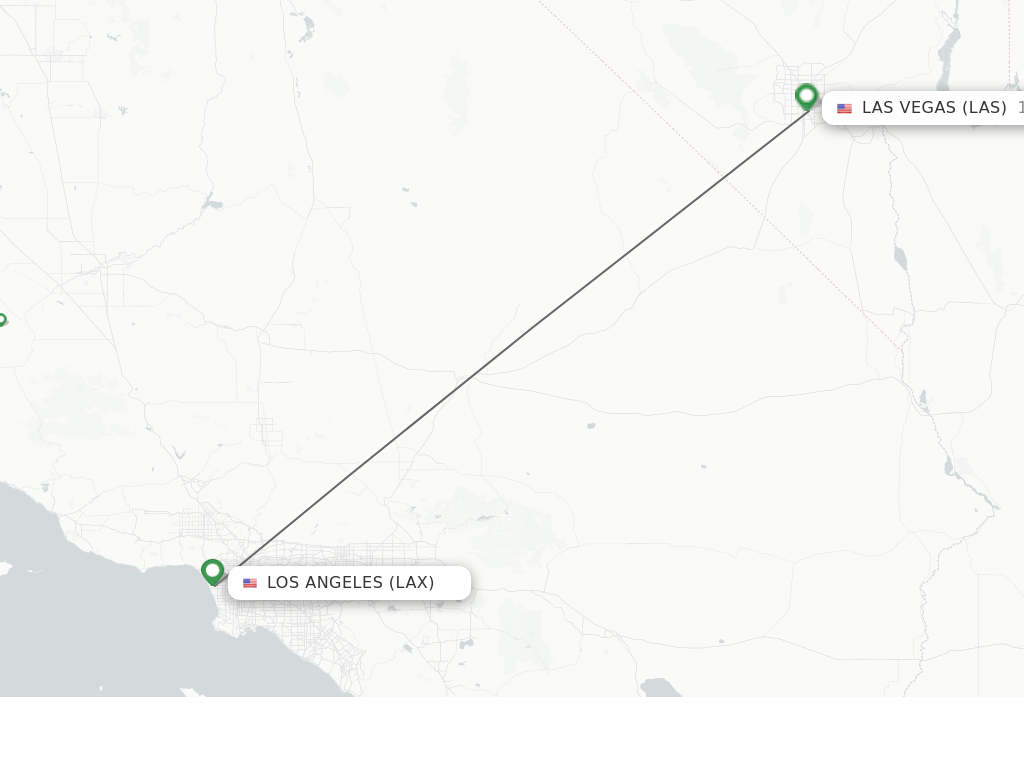
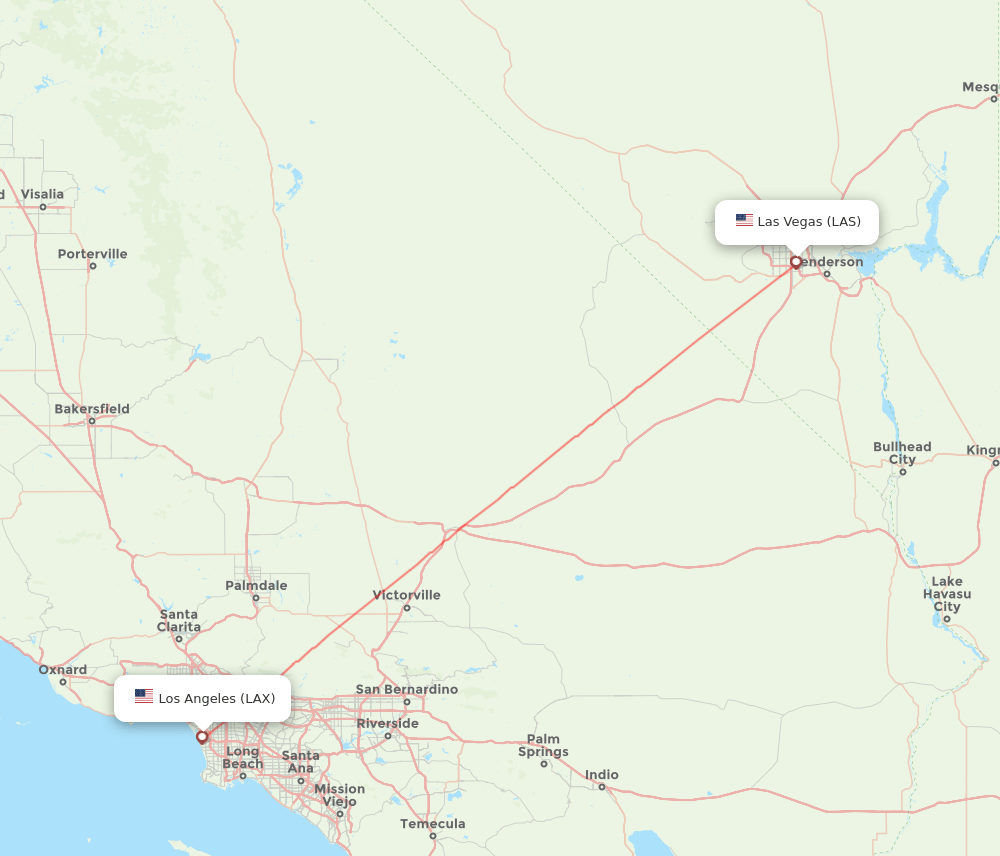
In terms of pure flight duration, the trip is remarkably quick. On average, you can expect to be in the air for approximately 55 minutes to one hour and 15 minutes. This timeframe covers the departure from Harry Reid International Airport to the landing at Los Angeles International Airport. Because the cities are separated by only about 230 miles as the crow flies, the pilots rarely reach high-altitude cruising speed before beginning their descent toward California.
Factors Influencing Your Arrival
While the time spent wheels-up is short, several variables can extend the experience:
- Air Traffic Control: Both Las Vegas and Los Angeles are among the busiest airspace corridors in the United States. Occasionally, flights are placed in a holding pattern while waiting for a landing slot at Los Angeles International Airport.
- Wind Patterns: The jet stream can impact the flight duration, though usually by only a few minutes.
- Taxi Time: A significant portion of your journey occurs on the tarmac. Los Angeles International Airport is known for its sprawling runway system, and taxiing to your gate can sometimes take as long as the flight itself if the airport is experiencing heavy congestion.
Choosing the Right Airline and Terminal
Selecting an airline for this short hop is often less about the amenities offered—as the flight is too brief for an extensive meal service—and more about accessibility and convenience.
Major Carriers on the Route
Several major domestic carriers dominate the Nevada to California corridor. Because the demand is high, these airlines offer almost hourly service, giving travelers maximum flexibility.
- Southwest Airlines: Famous for its frequent departures and liberal baggage policies, this airline is a favorite for those heading to the West Coast.
- Delta Air Lines: Often preferred by business travelers, this carrier provides consistent reliability and premium terminal access.
- United Airlines: This carrier maintains a strong presence at Los Angeles International Airport, offering convenient connecting options if your journey doesn’t end in the city.
Terminal Considerations
The experience at Los Angeles International Airport is heavily dependent on the terminal where your flight lands. Some terminals have been recently renovated, offering high-end dining and lounges, while others are older and may require longer walks to reach ground transportation. If you are planning to visit landmarks like the Griffith Observatory or Hollywood immediately upon landing, check which terminal your gate is located in to better estimate your exit time.
Navigating Airports: The Real Time Investment

If you arrive at the airport exactly one hour before departure, you may find yourself rushing. To master the Las Vegas to Los Angeles travel experience, one must account for the infrastructure at both ends.
Departure: Harry Reid International Airport
Harry Reid International Airport is designed to move massive amounts of tourists efficiently. However, the sheer volume of travelers means that security lines can fluctuate wildly, especially on Sunday afternoons when travelers are returning home. Utilizing a program like TSA PreCheck is highly recommended to expedite your passage through the terminal. Remember that the airport is located very close to the Las Vegas Strip, meaning your ride to the airport might be subject to the notorious local traffic of the Las Vegas Valley.
Arrival: Los Angeles International Airport
Once you land in Los Angeles, the logistics of leaving the airport are a significant part of your “travel time.” Whether you are heading toward Beverly Hills or the Santa Monica Pier, ground traffic in Southern California is legendary. Expect to spend 45 minutes to two hours reaching your final destination, depending on the time of day.
For a smoother experience, consider looking for flights that land at alternative airports if your final destination is not in the immediate vicinity of Los Angeles International Airport. Options such as:
These airports are often smaller, easier to navigate, and strategically located closer to various neighborhoods throughout the Los Angeles County area.
Planning for a Seamless Trip
When preparing for your trip, consider that while the flight itself is a quick dash, the surrounding travel components represent the bulk of the day.
Best Times to Travel
If you want the shortest possible transit time, aim for mid-week, mid-morning flights. Tuesday and Wednesday flights are consistently less expensive and less prone to the delays caused by heavy weekend congestion. Flights departing Las Vegas before 9:00 AM generally face fewer air traffic flow issues, giving you a better chance of arriving in Los Angeles ahead of schedule.
Luggage and Logistics
Because the flight is so short, some travelers opt for carry-on only, which is highly advisable. Waiting for checked bags at Los Angeles International Airport can add 30 to 45 minutes to your arrival time. By traveling light, you can skip the baggage carousel and head straight to your ride-share or rental car.
The Final Verdict
So, how long is the flight from Las Vegas to Los Angeles? While the aircraft spends barely over an hour in the sky, a realistic traveler should budget approximately four to five hours from the moment they leave their hotel room in Nevada until they arrive at their final destination in California. This includes travel to the airport, security clearance, flight time, and the inevitable navigation of the Southern California highway system.
By understanding these realities, you can move past the stress of travel and focus on what matters most: the excitement of exploring two of the most vibrant cities in the United States. Whether your itinerary includes high-stakes gaming at the Bellagio or a quiet stroll through the Getty Center, being prepared is the first step toward a perfect journey.
LifeOutOfTheBox is a participant in the Amazon Services LLC Associates Program, an affiliate advertising program designed to provide a means for sites to earn advertising fees by advertising and linking to Amazon.com. Amazon, the Amazon logo, AmazonSupply, and the AmazonSupply logo are trademarks of Amazon.com, Inc. or its affiliates. As an Amazon Associate we earn affiliate commissions from qualifying purchases.