
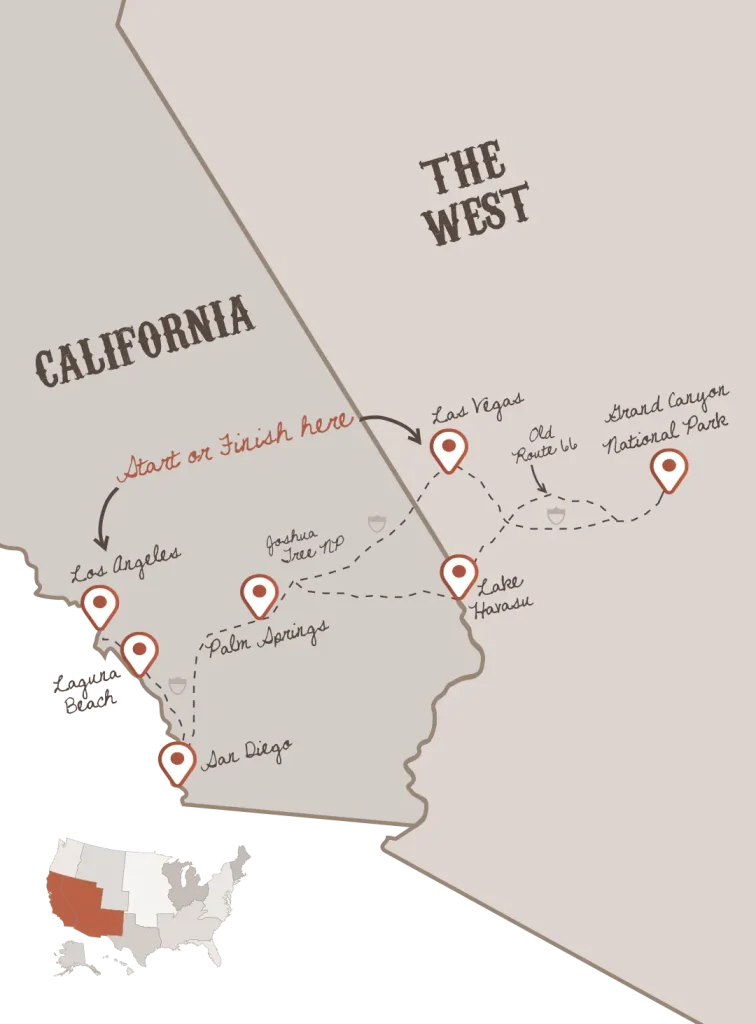
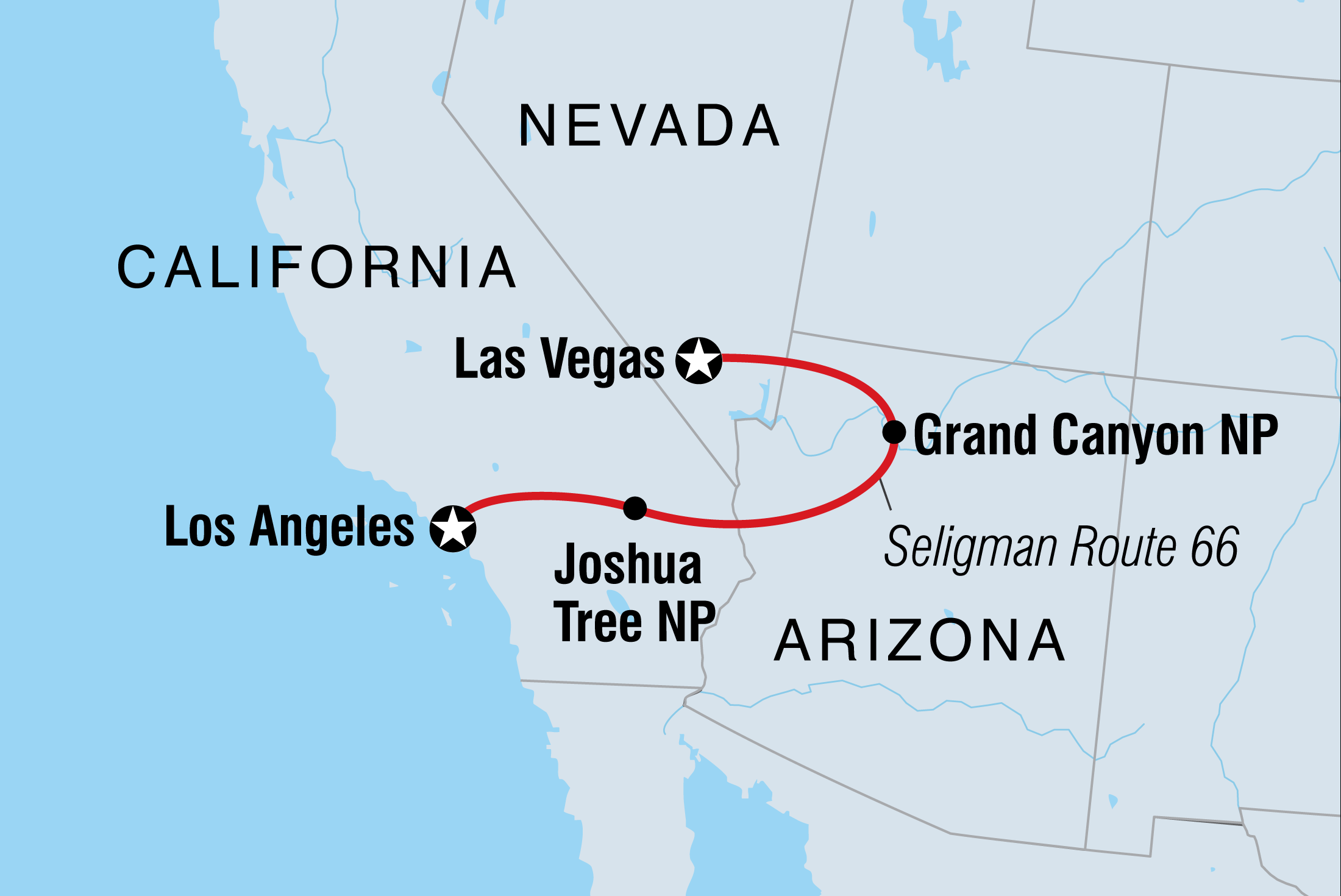
The journey from Los Angeles to Las Vegas is one of the most iconic road trips in the United States. Spanning roughly 270 miles, this transit connects the sprawling coastal metropolis of California to the neon-soaked desert oasis of Nevada. While the distance is relatively short by American standards, the experience of traversing the Mojave Desert is a rite of passage for travelers seeking to swap Pacific surf for the world-famous casinos and entertainment stages of the Las Vegas Strip.
The Practicalities of the Drive
For most commuters and tourists, the route via Interstate 15 is the primary artery. Under optimal traffic conditions, you can expect the drive to take approximately four to five hours. However, the reality of this route is heavily dependent on timing, weather, and the inevitable surge of weekend traffic.
Understanding Traffic Patterns
The I-15 corridor is notorious for bottlenecks, particularly on Friday afternoons when residents head out for the weekend and on Sunday evenings when the masses return to Southern California. Planning your departure for mid-week or during off-peak morning hours can shave significant time off your trip. It is wise to utilize real-time navigation tools, as traffic accidents in the Cajon Pass or near Barstow can suddenly extend travel times by an hour or more.
Fuel and Logistics
Spanning nearly 300 miles of arid landscape, the trip requires basic preparation. Ensure your vehicle is serviced, particularly during the summer months when temperatures in the Mojave regularly exceed 100 degrees Fahrenheit. While there are ample gas stations in Victorville and Baker, relying on these hubs is essential. Always carry extra water, as the desert climate is deceptively dehydrating, even inside an air-conditioned car.
Scenic Highlights Along the Way
While many travelers view the stretch as a mere obstacle to overcome before reaching the Bellagio or Caesars Palace, the drive itself is a fascinating study in geology and roadside culture. Breaking up the 270 miles allows for a more immersive experience.
The Quirkiness of Baker
If you find yourself needing a break, Baker serves as a classic desert pitstop. Famous for the “World’s Tallest Thermometer,” this tiny town offers a glimpse into high-desert living. It is a popular spot for travelers to stretch their legs and grab a snack before tackling the final leg toward the Nevada Border.
Nature and Landmarks
Roughly halfway through your journey, the landscape shifts from urban sprawl to rugged, volcanic desert beauty. Passing through the Shadow Mountains and nearing the Clark County line, the transition becomes palpable. Adventurous travelers often take a slight detour to explore the Red Rock Canyon National Conservation Area just before arriving in the city, providing a stunning contrast of sandstone formations against the backdrop of the Spring Mountains.
Alternative Modes of Transport
If the prospect of navigating traffic on the Interstate does not appeal to you, there are several viable alternatives to bridge the distance between Los Angeles and the desert.
Air Travel
Several regional airlines offer flights from Los Angeles International Airport to Harry Reid International Airport. With a flight time of just over an hour, this is the most time-efficient method for those with limited time who wish to maximize their stay at a resort like the Wynn Las Vegas. However, when factoring in security lines and airport transit, the time savings are modest compared to a clear-road drive.
Bus and Private Shuttles
A variety of bus lines and private charter services operate between California and Nevada. This allows travelers to avoid the stress of driving through high-desert winds or heavy traffic. Many of these services offer comfortable, Wi-Fi-enabled seating, which is perfect for those who prefer to relax and watch the landscape pass by.
Planning Your Arrival
As you descend into the Las Vegas Valley, the sight of the glittering skyline is a reward all on its own. Whether you are arriving for a business conference at the Las Vegas Convention Center or a weekend escape, understanding the scale of the trip helps set the tone for your vacation.
Timing Your Entrance
Entering Las Vegas at night is an experience every traveler should have at least once. The skyline, illuminated by the lights of landmarks like The Venetian and Mandalay Bay, creates a dramatic entrance that stands in stark contrast to the darkness of the surrounding desert. Aiming for an evening arrival often makes the long drive feel like a small price to pay for the spectacle that follows.
Long-Term Perspectives
Whether you measure the journey in miles or hours, the trip from Los Angeles is more than just a commute; it is a transition between two of the most influential urban centers in the American West. By respecting the distance and preparing for the variable nature of the I-15, you ensure that your journey is as smooth as possible. From the departure in Southern California to the arrival on the Las Vegas Strip, the 270-mile path remains a foundational element of the West Coast travel experience. Whether you choose to power through the miles or make an adventure out of the desert stops, the road to Nevada offers a unique look at the vast beauty that defines the region. Always check road conditions before heading out, respect the desert environment, and enjoy the transition from the Pacific coastline to the vibrant, high-energy environment of the desert’s most famous destination.
LifeOutOfTheBox is a participant in the Amazon Services LLC Associates Program, an affiliate advertising program designed to provide a means for sites to earn advertising fees by advertising and linking to Amazon.com. Amazon, the Amazon logo, AmazonSupply, and the AmazonSupply logo are trademarks of Amazon.com, Inc. or its affiliates. As an Amazon Associate we earn affiliate commissions from qualifying purchases.