
For decades, Las Vegas has been synonymous with high-stakes gambling, extravagant nightlife, and the glitz of the Las Vegas Strip. However, beyond the neon lights and the towering resorts, a thriving residential community has emerged. As more people flee expensive coastal cities in search of better value, the question of whether it is truly affordable to live in this desert metropolis has become a central point of discussion.
Living in Nevada offers a unique economic landscape defined by a lack of state income tax and a housing market that—while rapidly evolving—often provides more square footage for the dollar than other major urban hubs in the United States. Yet, the “true” cost of living extends far beyond just rent or mortgage payments. It encompasses transportation, utility demands in an arid climate, and the inevitable temptation of a city designed for perpetual consumption.
The Housing Market and Real Estate Dynamics
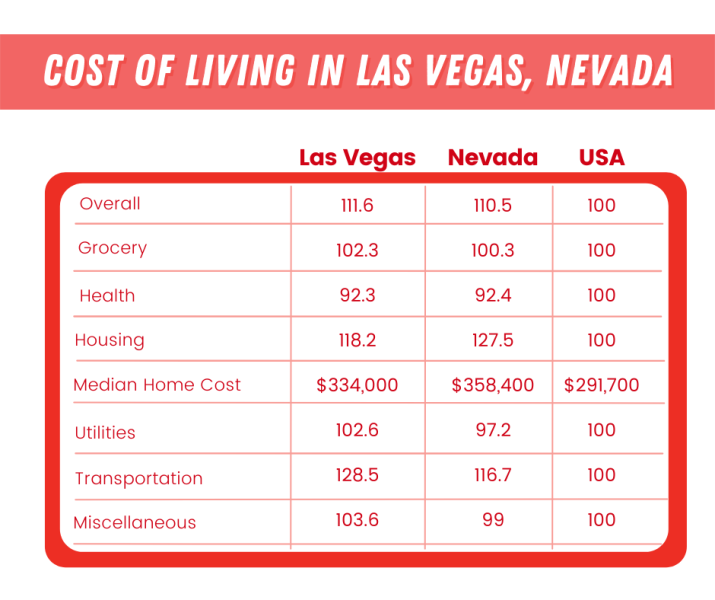
The primary driver of the cost of living in any major city is housing. In Las Vegas, the market is characterized by a mix of sprawling suburban neighborhoods and high-end luxury condos.
Renting vs. Buying
For those looking to rent, the market has seen significant fluctuations. While prices are generally lower than those in Los Angeles or San Francisco, they are no longer the “bargain” prices of the past. Prospective renters should account for the fact that neighborhoods closer to the Las Vegas Strip often command higher premiums due to their proximity to major employment hubs and nightlife.
Buying a home, conversely, remains an attractive option for many. Because Nevada does not impose a state income tax, many residents find that they have more disposable income to put toward their mortgage. Furthermore, the housing stock in the region includes a wide array of master-planned communities, such as Summerlin and Henderson, which offer integrated parks, schools, and shopping centers. These areas provide a higher quality of life that can offset the slightly higher price tags associated with newer developments.
Utility Costs in the Desert
One often overlooked aspect of the Las Vegas cost of living is climate control. Dealing with extreme summer temperatures necessitates heavy reliance on air conditioning. Residents often find that their electricity bills spike significantly between June and September. Water conservation is also a major theme in the Mojave Desert, and utility management strategies are essential for keeping monthly expenditures predictable.
The Impact of Lifestyle and Consumption
Living in a global tourist destination presents unique challenges to personal budgeting. Unlike other cities, where leisure activities are tucked away from residential areas, Las Vegas integrates entertainment into the very fabric of the city.
Managing Discretionary Spending
It is easy to fall into the “tourist trap” mindset even as a resident. With world-class restaurants, iconic shows like those found at Caesars Palace, and endless casinos, the temptation to spend money is constant. Successful long-term residents often learn to distinguish between their “local” life and the “visitor” experience.

By taking advantage of local discounts—often referred to as “Nevada resident rates”—and avoiding the high-priced dining venues located within the major resorts like The Venetian or Bellagio, residents can significantly lower their monthly overhead. Utilizing off-Strip grocery stores, public parks, and local community events is the secret to making Las Vegas a sustainable place to live rather than just a weekend getaway.
Transportation and Accessibility
While Las Vegas has a functional public transit system, it remains a car-dependent city. Unlike New York City, where one can live comfortably without a vehicle, navigating the valley usually requires personal transportation. When calculating the cost of living, residents must budget for car insurance, fuel, and maintenance. However, traffic in the Las Vegas Valley is generally manageable compared to other major metropolitan areas, saving residents both time and the hidden costs associated with long, stressful commutes.
Economic Benefits and Tax Advantages
The fiscal health of a Las Vegas resident is heavily influenced by the tax structure of the state.
The No-Income-Tax Factor
The absence of a state personal income tax is perhaps the most significant financial benefit of residing in Nevada. For high earners, this can mean an increase in take-home pay of several percentage points compared to living in a state like California. This tax savings effectively acts as a subsidy for the cost of living, allowing residents to afford more upscale housing or higher-end services without sacrificing their overall financial stability.
Employment Opportunities
The economy is historically anchored by hospitality and gaming, but there has been a significant diversification effort. With the arrival of professional sports teams like the Las Vegas Raiders at Allegiant Stadium and the expanding tech and healthcare sectors, job opportunities are more varied than ever. When considering the cost of living, one must also look at wage growth; the competitive job market in the region has pushed salaries upward, making it easier for professionals to keep pace with inflation.

Final Considerations: Is It Worth It?
Ultimately, determining if Las Vegas is “expensive” depends on one’s lifestyle choices and financial discipline.
- For the Budget-Conscious: If you prioritize housing outside of the immediate resort corridor, cook at home, and take advantage of the abundance of free outdoor activities nearby, such as Red Rock Canyon or Lake Mead, Las Vegas can be quite affordable.
- For the Luxury-Seeker: If you choose to live in high-rise condos overlooking the Las Vegas Strip, dine at Michelin-starred restaurants like those at Wynn Las Vegas, and frequent the nightlife scene, the cost of living will rival some of the most expensive cities in the world.
The beauty of living here is the spectrum of options available. You can have the quiet, suburban life in Green Valley or the high-octane energy of a downtown loft. By balancing the tax advantages with smart spending habits, most residents find that Las Vegas offers a standard of living that is difficult to replicate elsewhere. The city provides a unique intersection of affordability, opportunity, and world-class entertainment, making it an increasingly popular destination for those seeking to build a long-term life in the heart of the American West.
While prices have undeniably risen over the last decade, Las Vegas remains a city that rewards those who navigate it with intention. Whether you are moving for the career growth, the weather, or the lifestyle, understanding the financial landscape is the first step toward successfully calling this desert oasis home.
LifeOutOfTheBox is a participant in the Amazon Services LLC Associates Program, an affiliate advertising program designed to provide a means for sites to earn advertising fees by advertising and linking to Amazon.com. Amazon, the Amazon logo, AmazonSupply, and the AmazonSupply logo are trademarks of Amazon.com, Inc. or its affiliates. As an Amazon Associate we earn affiliate commissions from qualifying purchases.