
The rugged, sun-drenched topography of Los Angeles is a landscape shaped by both human ambition and the primal forces of nature. While the city is celebrated for its sprawling urban landscape, iconic entertainment industry, and proximity to the Pacific Ocean, it remains geographically tethered to a cycle of fire. Understanding the origins of the wildfires that frequently scorch the hillsides of Southern California requires a deep dive into the intersection of extreme climate conditions, historical land management, and the inescapable realities of modern infrastructure.
The Convergence of Climate and Topography
The genesis of fire in this region is rarely the result of a single isolated event, but rather a perfect storm of environmental conditions. Los Angeles County is characterized by a Mediterranean climate, which promises long, rainless summers that turn the native vegetation into veritable tinderboxes.

The Role of Chaparral Ecosystems
The surrounding mountain ranges, such as the Santa Monica Mountains, are covered in chaparral—a dense, shrub-heavy ecosystem that is naturally adapted to fire. These plants are rich in volatile oils that help them survive heat but also make them exceptionally flammable. Over decades of fire suppression, dead brush accumulates, creating a heavy fuel load that allows small sparks to transform into uncontrollable infernos within minutes.
The Santa Ana Winds
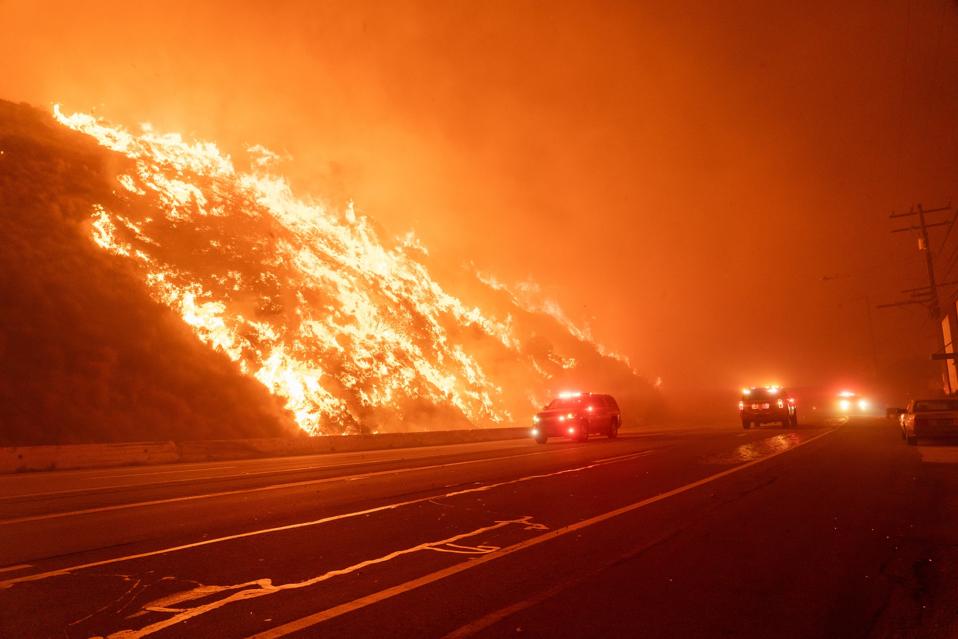
Central to the wildfire narrative are the Santa Ana Winds. These high-pressure weather systems originate in the high deserts to the east and push warm, bone-dry air through mountain passes and canyons. As the air descends, it compresses and heats up, often reaching hurricane-force speeds. When a fire breaks out during a Santa Ana event, the wind acts as a propellant, pushing embers miles ahead of the main fire line, making containment nearly impossible for even the most well-equipped Fire Department.
Human Activity and the Ignition Factor
While nature provides the fuel and the wind, human presence is almost exclusively responsible for the ignitions. The transition zone where urban development meets wildland—known as the Wildland-Urban Interface (WUI)—is where the risk is most concentrated.
Electrical Infrastructure Failures
A significant percentage of wildfires in California are linked to electrical grid failures. High winds can down power lines or cause vegetation to contact energized equipment, creating a spark that lands in dry grass. In recent years, utility companies have implemented “Public Safety Power Shutoffs” during extreme wind events, intentionally cutting power to vulnerable corridors to prevent the equipment from sparking a blaze.
Accidental Human Ignitions
Beyond utility infrastructure, accidental ignitions remain a persistent challenge. Human error ranges from discarded cigarettes and illegal campfires in remote areas of the Angeles National Forest to vehicle malfunctions. Even a chain dragging from a trailer on a highway, such as the Interstate 5, can create sparks that ignite roadside brush. Because of the sheer volume of traffic and the density of the population, the statistical likelihood of accidental ignition is significantly higher in Los Angeles than in less inhabited regions of the United States.
The Evolution of Land Management and Mitigation
As the city continues to expand toward the peaks, the strategy for living alongside fire risk has undergone a dramatic transformation. Historical approaches favored total fire suppression, which scientists now argue was counterproductive because it allowed for the dangerous accumulation of dead fuel.
Prescribed Burns and Clearing
Modern forest management now leans toward controlled, or “prescribed,” burns. By carefully managing the brush levels under monitored conditions, land managers can reduce the severity of inevitable wildfires. In neighborhoods bordering high-risk zones, such as Bel Air or Hollywood Hills, strict ordinances require property owners to clear “defensible space”—a buffer zone of non-combustible landscaping meant to protect homes from direct flames and radiant heat.
Technology and Early Warning Systems
Advancements in satellite imagery and localized weather monitoring have revolutionized the response time of emergency services. High-definition cameras mounted on lookout towers provide real-time visuals to dispatchers, allowing for rapid deployment of aerial tankers and ground crews. By identifying the exact coordinates of an ignition point within seconds, agencies can often contain a fire while it is still a small, manageable flame.
Living with the Reality of Fire
For those living in or visiting Los Angeles, the wildfire season is a sobering reality. It is a reminder that despite the luxury found in neighborhoods like Beverly Hills or the cultural richness of Downtown Los Angeles, the city remains part of a larger, volatile ecosystem.
Preparedness and Public Awareness
Public awareness campaigns have become an essential component of local life. Residents are encouraged to maintain “go-bags” and understand evacuation routes, particularly those living in the San Fernando Valley or near the Verdugo Mountains. The local government emphasizes that while wildfires cannot be entirely prevented, the damage can be mitigated through collective responsibility.

The Future of the Wildland-Urban Interface
The question remains how the city will manage its growth. Planners are increasingly debating the viability of continued development in high-risk zones. While the allure of mountain views and secluded canyon living is undeniable, the physical toll of frequent evacuations and the loss of natural resources are forcing a reassessment of urban planning priorities. The future of fire safety in Southern California depends not just on the strength of the Los Angeles Fire Department, but on a fundamental shift in how residents view their relationship with the environment.
In summary, the wildfires in Los Angeles are the outcome of a complex interplay between the region’s unique geography and the pressures of modern human activity. By respecting the power of the Santa Ana Winds, prioritizing fuel management, and fostering a culture of fire-readiness, the region strives to balance its vibrant urban life with the unpredictable, fiery nature of its wild borders.
LifeOutOfTheBox is a participant in the Amazon Services LLC Associates Program, an affiliate advertising program designed to provide a means for sites to earn advertising fees by advertising and linking to Amazon.com. Amazon, the Amazon logo, AmazonSupply, and the AmazonSupply logo are trademarks of Amazon.com, Inc. or its affiliates. As an Amazon Associate we earn affiliate commissions from qualifying purchases.