
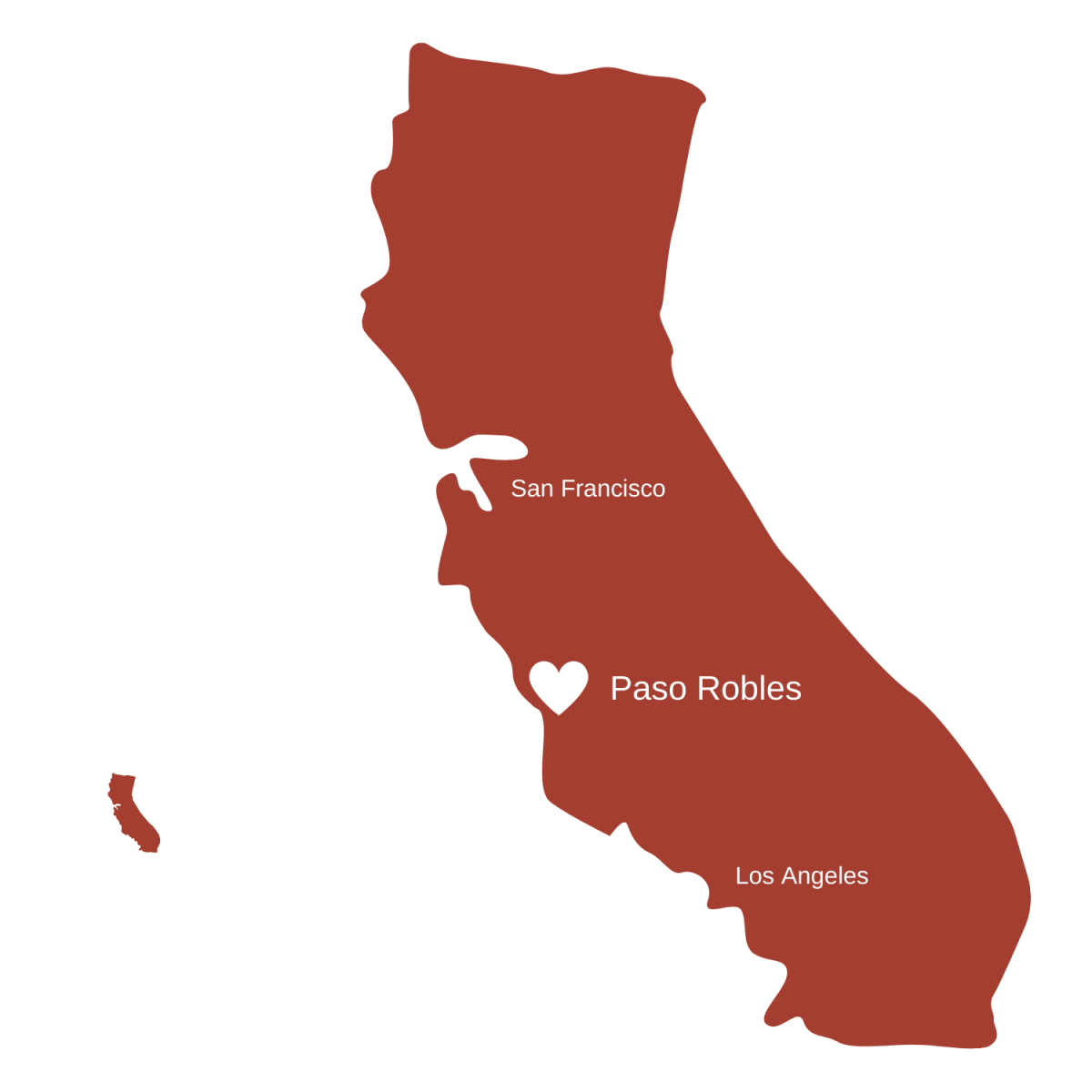
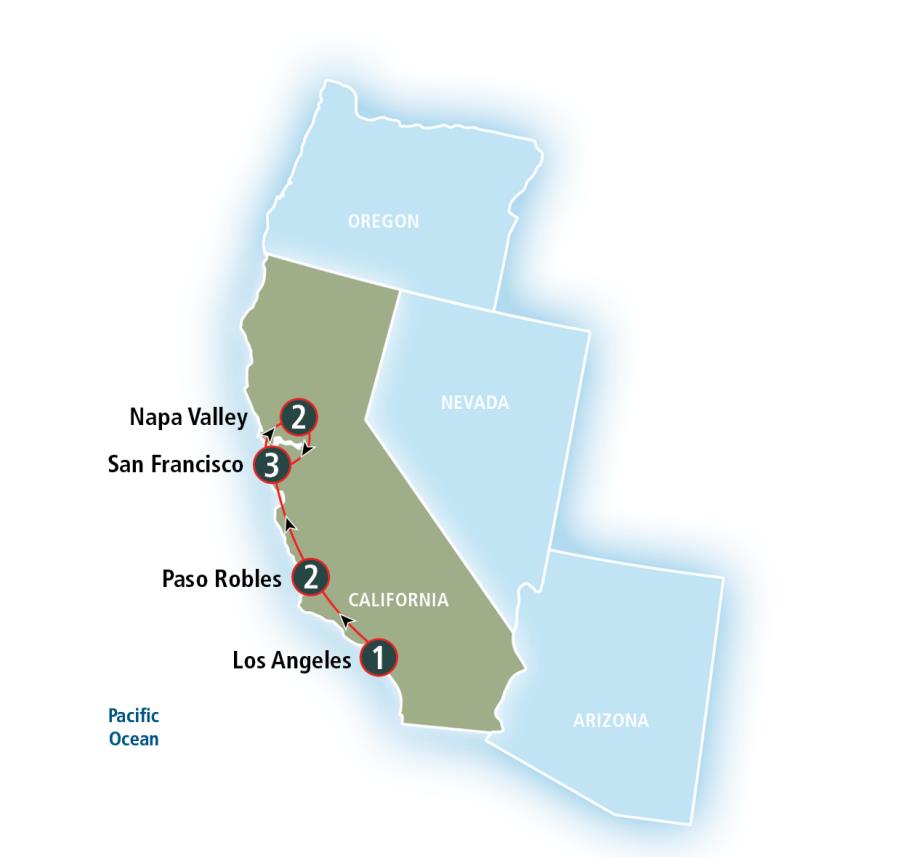
The journey from the sprawling metropolis of Los Angeles to the rolling, golden hills of Paso Robles represents one of the most quintessential road trips in California. For those looking to escape the urban intensity of Southern California in exchange for world-class viticulture and relaxed charm, understanding the distance and logistics is the first step toward a perfect getaway. Generally, the drive covers approximately 200 to 215 miles, typically taking between three and four hours depending on the route and the unpredictable nature of regional traffic.
Navigating the Primary Routes: Highway 101 vs. Interstate 5
Choosing the right path between these two iconic destinations often comes down to a preference for scenery versus speed. While both routes are efficient, they offer vastly different experiences for the traveler.
The Scenic Appeal of Highway 101
The most popular way to reach Paso Robles is via the U.S. Route 101, which hugs the coastline and winds through some of the state’s most historic mission towns. Taking the 101 North out of Los Angeles allows travelers to pass through vibrant coastal communities like Santa Barbara, San Luis Obispo, and Pismo Beach.
This route is significantly more scenic, offering glimpses of the Pacific Ocean and access to the lush vineyards of the Santa Ynez Valley. While traffic can build up as you exit the greater Los Angeles area, the aesthetic reward of the changing landscape—from concrete jungles to rolling oak-studded hills—is well worth the extra time.
The Efficiency of Interstate 5
For those prioritizing speed, Interstate 5 acts as the primary artery through the heart of Central Valley. While this route is often faster and less congested, it lacks the coastal allure of the 101. Drivers on the I-5 will traverse the Tejon Pass and the Grapevine, a steep mountain pass that provides a dramatic transition from the basin to the valley. While practical for business travelers or those on a tight schedule, it is rarely chosen for leisure trips compared to the visual splendor of the coastal highway.
Timing Your Departure to Avoid Gridlock
The distance between Los Angeles and Paso Robles is geographically fixed, but time-wise, it remains fluid. The “LA factor” is a significant variable that can turn a three-hour drive into a five-hour slog if one is not careful.
Avoiding Peak Hours
Leaving Los Angeles during the morning or evening rush hour is a recipe for frustration. If possible, aim to depart mid-morning, around 10:00 AM, after the initial surge of commuters has cleared the 405 Freeway and U.S. Route 101. Alternatively, a weekend departure on a Saturday morning often provides a smoother transition out of the city.
The Friday Night Challenge
If you are planning to spend a long weekend in Paso Robles, understand that Friday afternoon departures from Los Angeles are notorious. Many city residents head north toward the Central Coast at the same time. If a Friday trip is mandatory, leaving early in the morning or waiting until after 7:00 PM will significantly improve your travel experience.
Enhancing the Journey with Stops Along the Way
One of the greatest benefits of the drive between these two locations is the wealth of stops available along the path. Because the drive is roughly four hours, it is common to plan at least one major stop to stretch your legs and enjoy a meal.
Santa Barbara: The Gateway to the Coast
Located about halfway between Los Angeles and Paso Robles, Santa Barbara is the perfect spot for a lunch break. Whether you walk through the State Street promenade or admire the architecture of the Old Mission Santa Barbara, the city provides a high-end cultural interlude that makes the arrival in Paso Robles feel like a natural continuation of a premium vacation experience.
Solvang: A Cultural Detour
Just off the 101, Solvang offers a unique change of pace. Founded by Danish immigrants, this town features authentic windmills and traditional Danish architecture. It is an ideal spot to grab a pastry or browse the unique local boutiques before finishing the final leg of the drive north.
San Luis Obispo: The Final Stretch
As you reach San Luis Obispo, you are only about 30 to 40 minutes away from Paso Robles. This college town, known for its vibrant downtown and the historic Mission San Luis Obispo de Tolosa, provides a perfect final pit stop to grab a coffee or a quick snack before navigating the winding Cuesta Grade that leads you directly into the heart of San Luis Obispo County.
Preparing for Your Arrival in Wine Country
Once you traverse the distance from Los Angeles, Paso Robles greets you with a landscape dominated by rolling hills, expansive vineyards, and a tranquil atmosphere that feels worlds away from the city. The transition is not just physical; it is atmospheric.
Why the Distance Matters
The three-to-four-hour drive serves as a necessary psychological buffer. It allows the stress of Southern California to dissolve as the landscape shifts from the dense suburban sprawl of the San Fernando Valley to the agricultural richness of the Central Coast. By the time you pull into Downtown Paso Robles, you are ready to transition into a lifestyle defined by wine tasting, farm-to-table dining, and slower sunsets.

Logistics and Final Tips
For those who prefer not to drive, there are other methods to bridge the gap. The Amtrak Pacific Surfliner connects Los Angeles to the Central Coast, and while it may take slightly longer than driving, it offers the ultimate stress-free experience, allowing passengers to enjoy the coastal views without the responsibility of the wheel. Regardless of how you choose to travel, the journey from Los Angeles to Paso Robles remains a classic California adventure, rewarding those who make the trip with some of the most celebrated scenery and viticulture in the United States.
LifeOutOfTheBox is a participant in the Amazon Services LLC Associates Program, an affiliate advertising program designed to provide a means for sites to earn advertising fees by advertising and linking to Amazon.com. Amazon, the Amazon logo, AmazonSupply, and the AmazonSupply logo are trademarks of Amazon.com, Inc. or its affiliates. As an Amazon Associate we earn affiliate commissions from qualifying purchases.