
Navigating the transition from arrival to departure is a critical component of any cruise vacation. For millions of travelers, Miami serves as the cruise capital of the world, acting as the primary gateway to the Caribbean. Whether you are flying into Miami International Airport or opting for Fort Lauderdale-Hollywood International Airport due to flight availability, understanding the geography of the Florida coastline is essential for a stress-free embarkation day.
The Geography of Embarkation: Distance and Travel Time
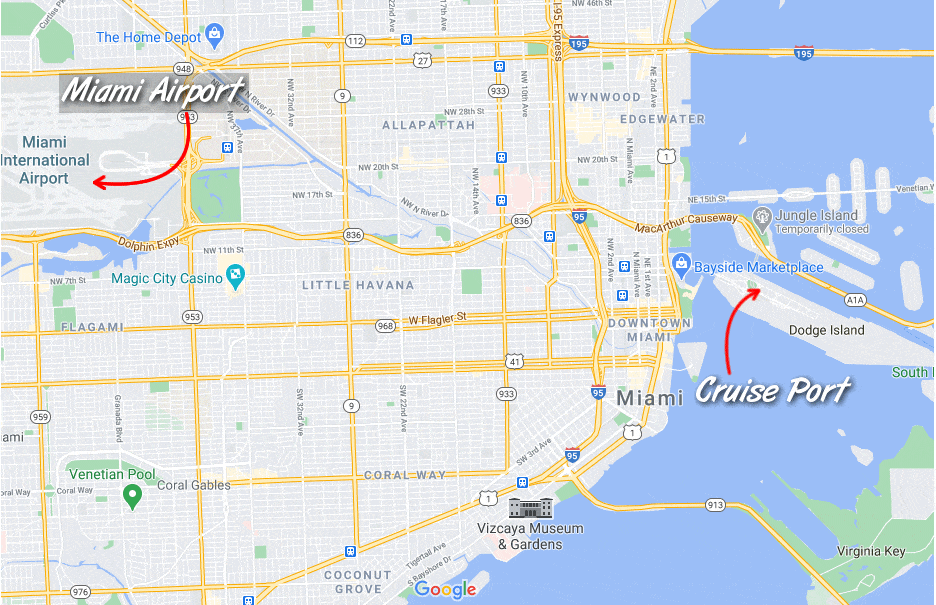
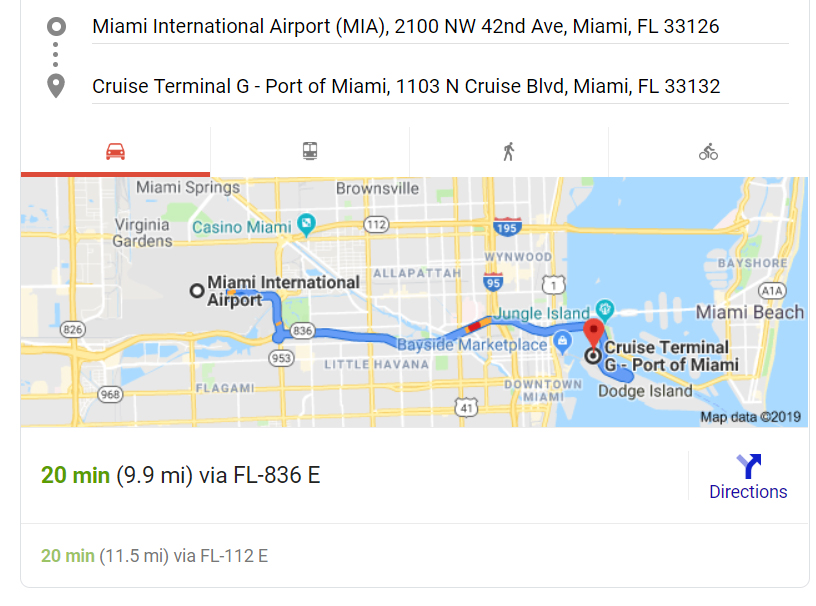
The primary hub for maritime travel in the region is PortMiami. Situated on Dodge Island, the port is remarkably close to the downtown core of the city. If your flight lands at Miami International Airport, you are looking at a relatively short journey. The distance between the airport and the cruise terminals is approximately 8 to 10 miles, depending on your specific terminal location and the chosen route.
Calculating Your Transit Time
Under normal traffic conditions, the drive from the airport to the port typically takes between 15 and 25 minutes. However, Miami is a major metropolitan area with significant congestion during morning and evening rush hours. If your flight arrives between 7:30 AM and 9:30 AM, or during the late afternoon, you should budget at least 45 minutes to an hour for the commute. Failing to account for this traffic can lead to unnecessary anxiety on the day of your departure, especially if you are racing to meet a tight boarding window.
Navigating the Route
The route generally involves taking State Road 836, also known as the Dolphin Expressway, which feeds directly into the PortMiami Tunnel. This infrastructure project was a game-changer for cruisers, as it directs port traffic away from the crowded downtown Brickell and Biscayne Boulevard streets, allowing vehicles to arrive directly at the terminals via a subterranean expressway.
Transportation Options: Choosing the Right Transit Mode
Once you have landed in South Florida, you are faced with a variety of transit options to get to the ship. Selecting the best one depends on your budget, the number of people in your party, and your comfort level with local navigation.
Rideshare Services and Taxis
For most travelers, utilizing apps like Uber or Lyft is the most convenient method. These services offer door-to-door transit from the arrivals curb at Miami International Airport directly to the drop-off zone at your designated cruise terminal. Taxis also operate in abundance at the airport, usually running on a flat-rate fee for trips to the port, which provides price transparency.
Cruise Line Shuttles
Many major cruise lines, such as Royal Caribbean, Carnival Cruise Line, and Norwegian Cruise Line, offer pre-booked shuttle services. While these are often more expensive than a rideshare, they provide a sense of security. If your flight is delayed, the cruise line is typically aware of your status, and the shuttle may wait or accommodate you on a later transfer. This is a common choice for families or elderly travelers who prefer not to navigate complex app interfaces or luggage-laden walks to parking garages.
Private Car Services
For those seeking a premium experience, private town car or SUV services offer the most comfort. These are ideal for large families or groups traveling together. Drivers often track your flight number, meet you at baggage claim with a sign, and assist with heavy luggage, effectively bridging the gap between the airport experience and the luxury cruise experience that awaits at the PortMiami terminals.
Managing Connections from Fort Lauderdale
Some travelers find that flight prices or specific airline routes make Fort Lauderdale-Hollywood International Airport a more attractive option than the local airport. It is important to note, however, that this significantly increases your travel distance. Fort Lauderdale is located roughly 30 to 40 miles north of the PortMiami cruise terminals.
The Transit Gap
The journey from Fort Lauderdale to Miami takes approximately 45 minutes to an hour and a half, depending on traffic along Interstate 95. During peak season, this stretch of highway is notorious for heavy traffic. If you choose this route, it is highly recommended that you arrive in Florida at least one day before your cruise departs. Relying on a same-day flight into Fort Lauderdale for a mid-afternoon cruise departure is a high-risk strategy, as any minor accident or road construction on the interstate can result in you missing your vessel entirely.
Comparing Costs
While you may save money on the airfare by choosing the northern airport, be sure to factor in the cost of transit. A ride from Fort Lauderdale-Hollywood International Airport to PortMiami can cost three to four times as much as a transit from the local Miami International Airport. When added to your total trip budget, the “savings” on the flight often vanish, making the local airport the superior choice from a logistical and financial perspective.
Tips for a Seamless Transition
Regardless of your chosen transit method, organization is key to a smooth start to your vacation. The following strategies will help you navigate the journey from the tarmac to the ship with confidence.
The Importance of Timing
Arriving at the port early is usually advised, but arriving too early can lead to overcrowding in the terminal waiting areas. Most cruise lines utilize specific check-in time slots. If you arrive hours before your designated window, you may be asked to wait outside or in a secondary holding area. Aim to arrive at the PortMiami gates within 30 to 60 minutes of your selected check-in time to avoid congestion.
Luggage Logistics
If you are using rideshare services, ensure you have booked a vehicle large enough for your group’s luggage. Miami drivers are accustomed to cruisers with multiple oversized bags, but a standard sedan may not suffice for a party of four with heavy suitcases. Opting for an UberXL or similar category is often worth the modest price increase for the added peace of mind regarding space.

Preparing for the Weather
Miami is prone to sudden, heavy rain showers, particularly in the summer months. Always keep your essential travel documents, identification, and cruise boarding passes in a waterproof carry-on bag rather than in your checked luggage. If you are waiting for a ride outside the Miami International Airport terminals, you will be thankful for keeping your documents dry and easily accessible as you transition from the climate-controlled terminal to the humid outdoor transit zones.
By understanding the proximity of PortMiami to the local transit hubs and planning your ground transportation in advance, you ensure that your vacation begins the moment you land, rather than ending in a frantic search for a ride. Whether you are sailing on a grand voyage through the Caribbean or a shorter weekend getaway, the transit from the airport is the final milestone before you begin your journey at sea. Keep these geographic realities in mind, and you will arrive at the cruise terminal refreshed, organized, and ready to set sail.
LifeOutOfTheBox is a participant in the Amazon Services LLC Associates Program, an affiliate advertising program designed to provide a means for sites to earn advertising fees by advertising and linking to Amazon.com. Amazon, the Amazon logo, AmazonSupply, and the AmazonSupply logo are trademarks of Amazon.com, Inc. or its affiliates. As an Amazon Associate we earn affiliate commissions from qualifying purchases.