
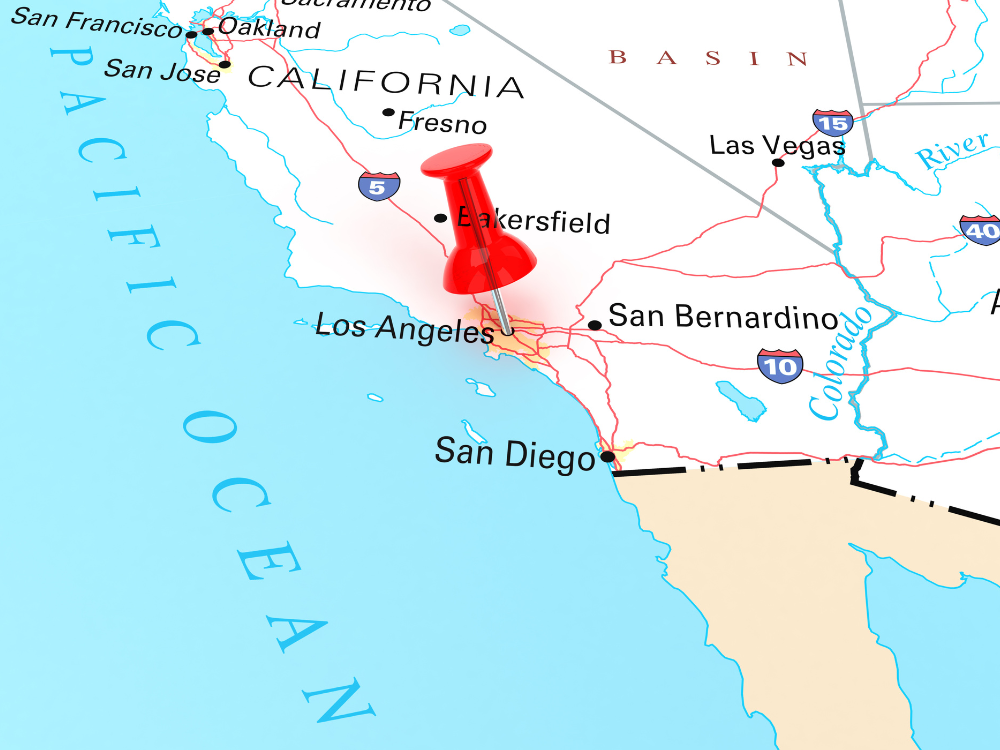
The journey from Los Angeles to San Diego is one of the most iconic coastal transits in California. Covering approximately 120 miles of diverse terrain, this route takes travelers from the sprawling, star-studded metropolis of the entertainment capital to the laid-back, sun-drenched beaches and world-class attractions of Southern California’s southernmost major city. Whether you prioritize speed, scenic beauty, or a stress-free environment, understanding your transport options is the first step toward a perfect Pacific getaway.
Navigating by Road: The Driving Experience
For many, the freedom of a personal vehicle is the preferred way to traverse this stretch of North America. Driving allows you to control your itinerary, take detours, and manage your own pace, which is particularly useful if you are traveling with family or carrying significant luggage.

Taking Interstate 5 South
The primary artery connecting these two cities is Interstate 5. This highway provides the most direct route and typically takes between two to three hours, depending heavily on the notorious Southern California traffic. If you choose this path, timing is everything. Mid-day travel during the week is generally safer than attempting the journey during the morning or evening rush hours, particularly near the Orange County and Camp Pendleton corridors, where congestion can spike unexpectedly.
Exploring the Coastal Route: Highway 1
For those who are not in a rush, swapping the efficiency of the interstate for the scenery of Pacific Coast Highway is highly recommended. While it adds significant time to your journey, the ability to stop at coastal gems like Laguna Beach, Dana Point, or Carlsbad makes for an unforgettable road trip. This route allows you to enjoy the smell of the salt air and the breathtaking vistas of the Pacific Ocean as you wind your way down toward the border.
Rail Travel: The Pacific Surfliner Advantage
If you prefer to skip the stress of gridlocked traffic, the Amtrak Pacific Surfliner is widely considered the best way to travel between Los Angeles Union Station and Santa Fe Depot. This train line offers a sophisticated, comfortable, and reliable alternative to highway driving.
Why Rail is Superior for Leisure
The Pacific Surfliner hugs the coastline for much of its journey, offering unobstructed views of the surf that drivers on the freeway simply cannot see. Inside the train, you will find spacious, reclining seats, power outlets, and a cafe car that serves local snacks and beverages. It is a productive way to work or a relaxing way to read, all while avoiding the fatigue associated with navigating multi-lane freeways.
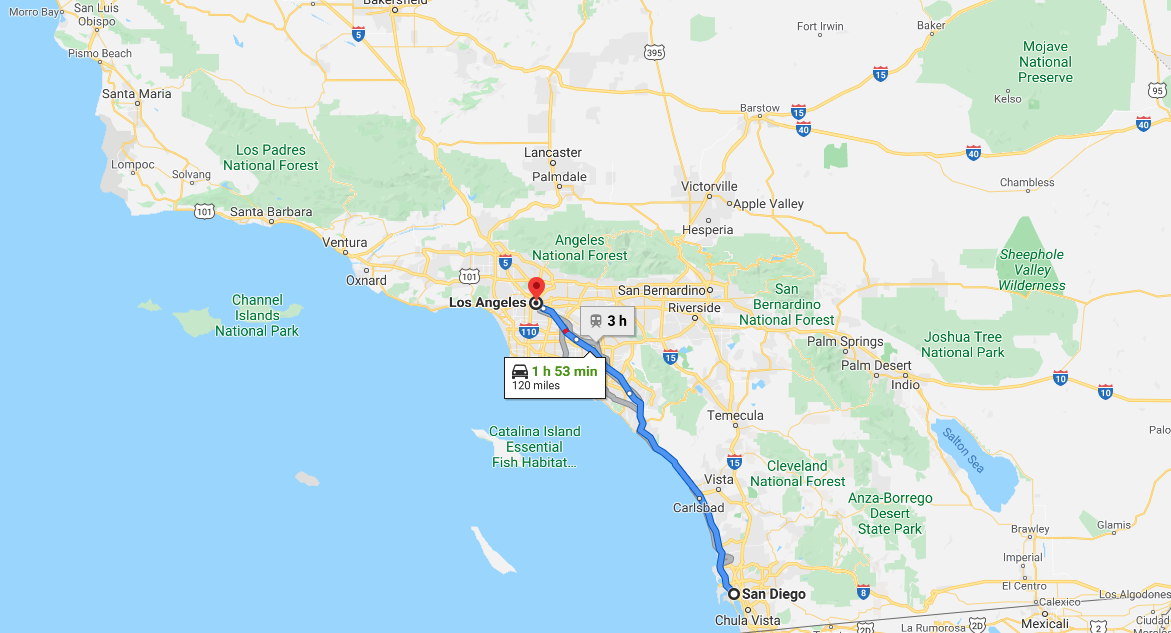
The transit time is typically around three hours, but the consistency of rail travel often beats the uncertainty of driving. Once you arrive at the historic San Diego Railway Station, you are immediately positioned in the heart of downtown, within walking distance of the Gaslamp Quarter and the waterfront.
Private and Commercial Air Travel
While the proximity of the two cities often makes flying seem like an unnecessary expenditure of time and money, there are specific circumstances where air travel is the most logical choice. If you are connecting from an international flight into Los Angeles International Airport, catching a regional flight to San Diego International Airport can be a seamless way to finish your journey without dealing with airport shuttles or car rentals in traffic.
Considerations for Short-Haul Flights
Flight time between these two hubs is often less than an hour. However, when you factor in security lines, boarding procedures, and getting to and from the terminals, the total time commitment often mirrors that of driving or taking the train. This option is best utilized by business travelers with lounge access or those who have successfully bundled the flight into a broader itinerary. It is rarely the most economical choice for casual travelers, but it remains a valid option for those seeking to minimize time spent in transit during a larger, multi-city United States tour.
Tips for a Seamless Journey
Regardless of your chosen mode of transport, preparation is the key to a successful transition between these two massive urban hubs.
Timing Your Departure
As mentioned, the I-5 corridor is a temperamental beast. If you are driving, attempt to depart outside of the windows of 7:00 AM to 9:00 AM and 3:00 PM to 7:00 PM. Weekends can be equally unpredictable, with beach traffic peaking on Friday evenings and Sunday afternoons. If you are taking the train, booking tickets in advance—especially for weekend travel—will ensure you secure a seat, as the Pacific Surfliner is a popular choice for both commuters and tourists.
Packing for the Transition
Both cities share a Mediterranean climate, but the coastal breeze in La Jolla can be significantly cooler than the inland warmth of Hollywood. Regardless of the season, dressing in layers is the most effective way to stay comfortable. Keep a light jacket or sweater accessible, as temperature shifts are common once you cross into the maritime influence of San Diego County.
Enhancing the Experience
If you find yourself in Old Town San Diego shortly after arriving, take a moment to reflect on the transit. The shift from the high-energy, fast-paced environment of Beverly Hills to the historic, relaxed vibe of San Diego is part of the charm of Southern California. Whether you arrived by car, train, or plane, you have traversed one of the most beautiful coastal stretches in the world.
For those using the train, the walk from the station to Seaport Village is the perfect introduction to the city’s pedestrian-friendly waterfront. For those who drove, parking your vehicle in a centralized garage near Balboa Park will liberate you from the stress of the road and allow you to fully immerse yourself in the museums, gardens, and architecture that define the region. By selecting the transit method that best aligns with your personal priorities—be it the scenic rail route, the flexibility of the car, or the efficiency of a short flight—you ensure that the journey is just as enjoyable as the destination itself.
LifeOutOfTheBox is a participant in the Amazon Services LLC Associates Program, an affiliate advertising program designed to provide a means for sites to earn advertising fees by advertising and linking to Amazon.com. Amazon, the Amazon logo, AmazonSupply, and the AmazonSupply logo are trademarks of Amazon.com, Inc. or its affiliates. As an Amazon Associate we earn affiliate commissions from qualifying purchases.