
Understanding the unique environmental conditions of Los Angeles is essential for anyone looking to cultivate a thriving garden in this iconic California metropolis. With its sprawling geography ranging from the coastal basins to the rugged foothills of the Santa Monica Mountains, the city offers a diverse array of microclimates. Navigating these zones is key to choosing plants that will flourish rather than merely survive, especially for those interested in the natural beauty that surrounds legendary sites like the Griffith Observatory or the lush landscapes near the Getty Center.
Decoding USDA Hardiness Zones in Southern California
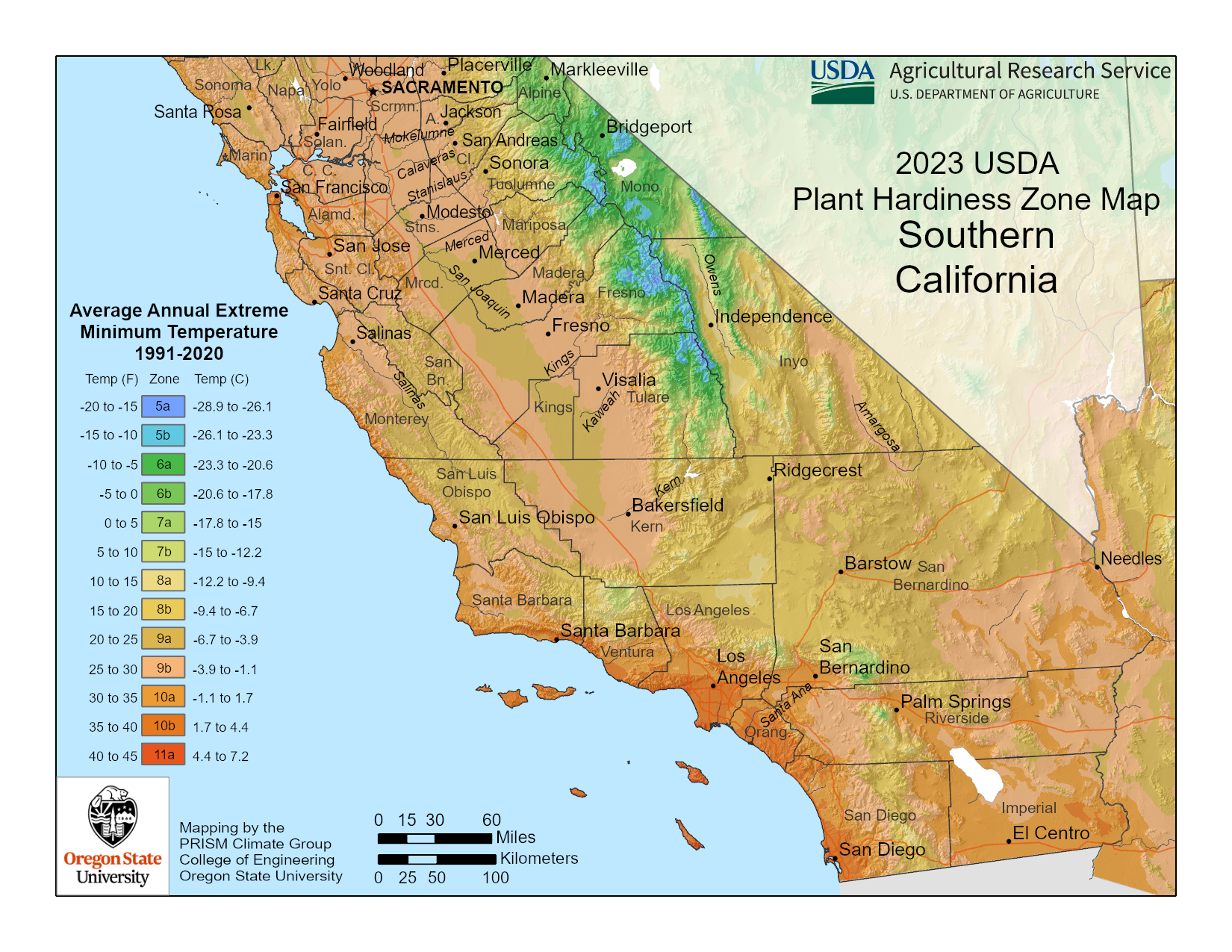
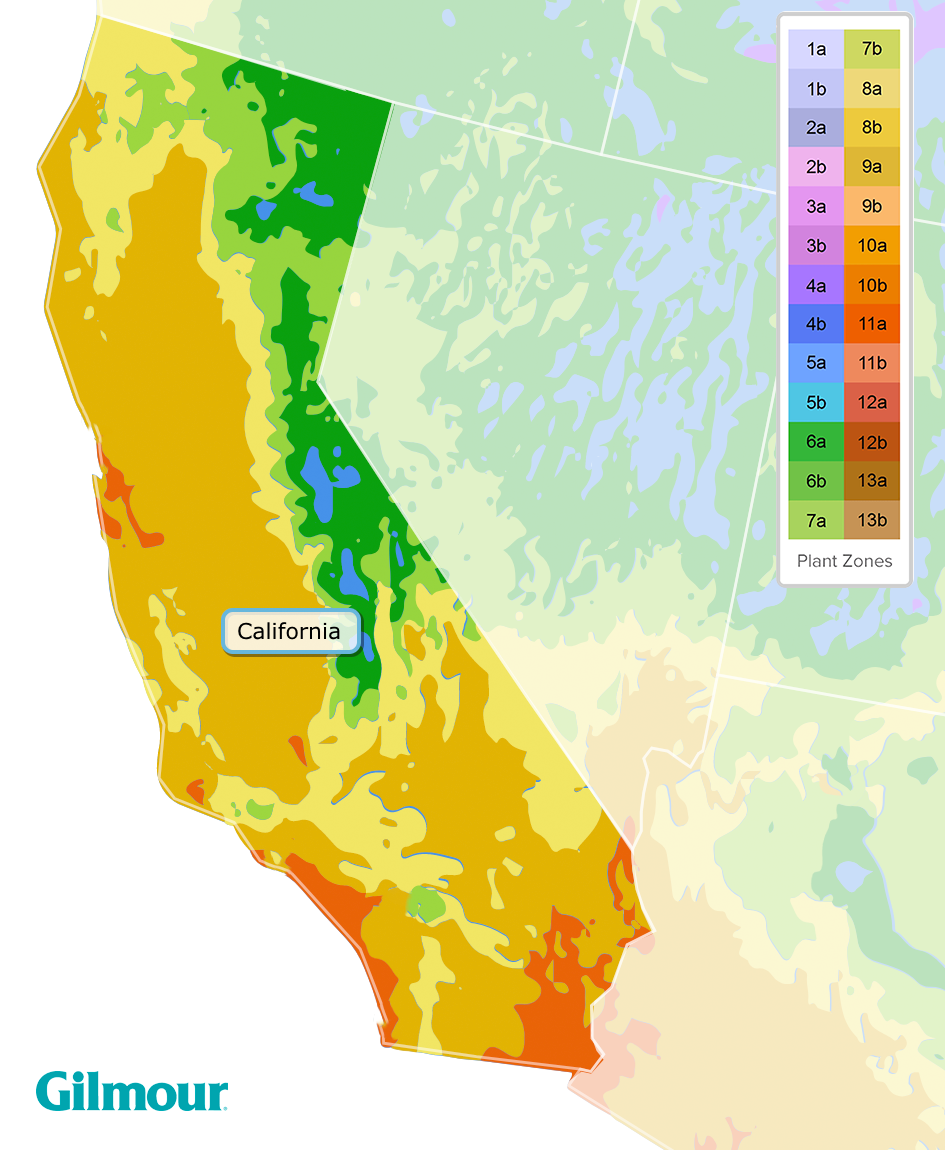
When gardeners ask about growing zones, they are almost always referring to the USDA Plant Hardiness Zone Map. This system divides regions based on their average annual minimum winter temperature, providing a baseline for what perennials can survive a typical winter.
The Coastal and Basin Zones
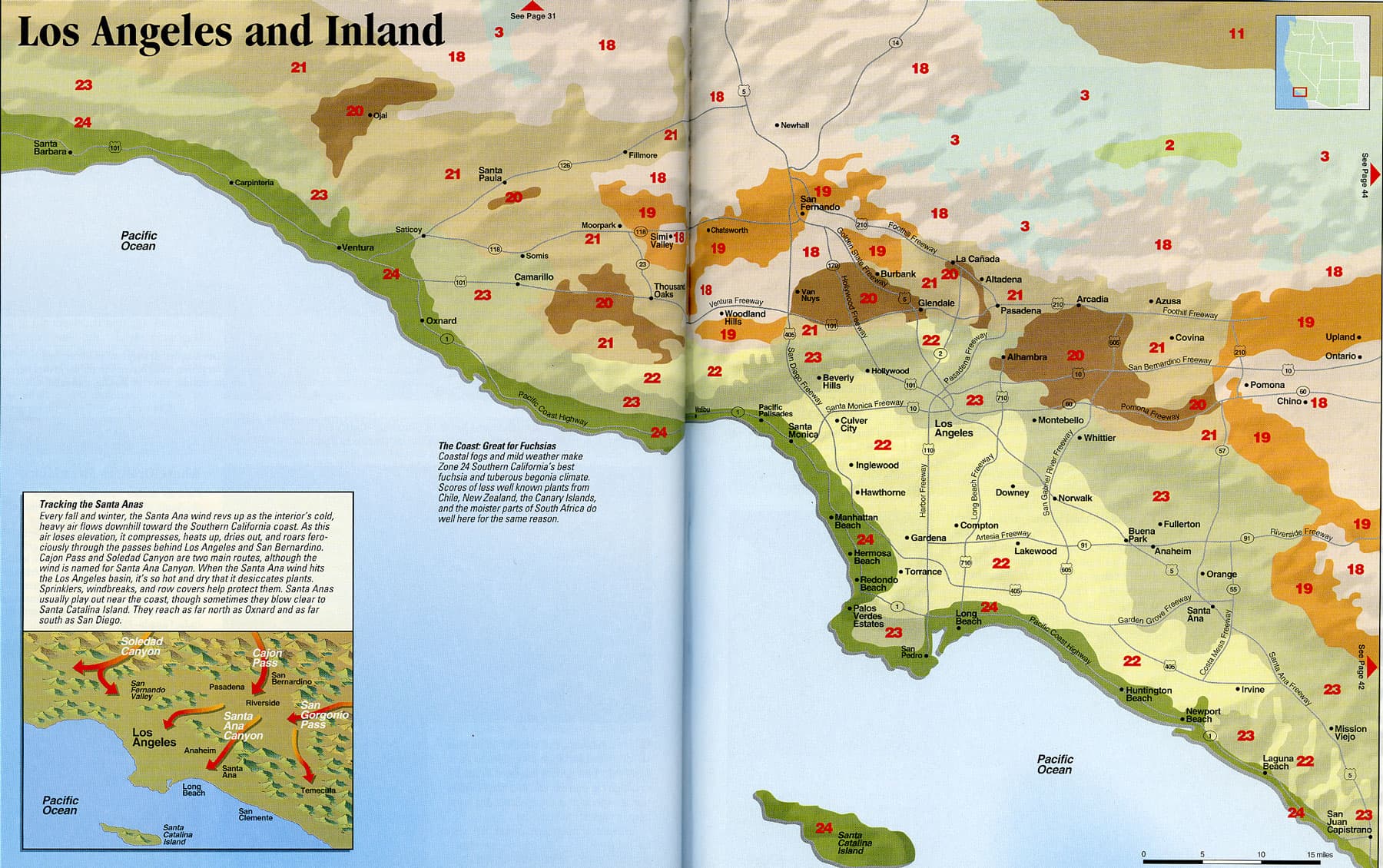
Most of the populated areas of Los Angeles fall into USDA Zones 10a and 10b. In these areas, the ocean acts as a massive thermal regulator. The marine layer, often called “June Gloom” by locals, keeps temperatures moderate, preventing the extreme frosts that would kill sensitive tropical and subtropical flora. This is why you can walk through neighborhoods like Beverly Hills or Santa Monica and see vibrant, year-round displays of bougainvillea, birds of paradise, and palms.
The Foothills and Inland Transitions
As you move inland toward Pasadena or closer to the San Gabriel Mountains, the influence of the ocean wanes. These areas often shift into Zone 9b, where winter nights can drop just enough to damage frost-sensitive plants. Gardeners here must be more selective, often opting for hardier native species that are adapted to the cooler, crisper mountain air.
Microclimates: The Hidden Variable in Los Angeles Gardening
While the USDA map provides a helpful framework, it is notoriously imprecise for Los Angeles. The city’s complex topography creates “microclimates”—small areas where the climate differs significantly from the surrounding region.
Topography and Airflow
The way a property is situated on a hillside can dictate its success. Cold air is denser than warm air and will flow downhill, often settling in low-lying valleys. A garden at the bottom of a canyon near Malibu might experience a frost that a garden just fifty feet higher up on the slope completely avoids. This “thermal belt” effect is well known to local nursery experts who advise homeowners to observe where water settles and where shadows cast early in the day.
Urban Heat Island Effects
In dense urban centers like Downtown Los Angeles, the sheer amount of concrete and asphalt retains heat long after the sun has set. This “urban heat island” effect can push a garden into a warmer zone than the official map suggests. Potted plants on a balcony near Grand Park benefit from this radiant heat, allowing for the cultivation of delicate species that might struggle in the more open, ventilated spaces of the San Fernando Valley.
Selecting Plants for the Mediterranean Climate
Los Angeles is defined by a Mediterranean climate characterized by wet, mild winters and dry, warm summers. Beyond just the hardiness zone, selecting plants that are compatible with this rhythm is critical for long-term sustainability.
Embracing California Natives
Integrating native species is perhaps the most effective way to garden in this region. Plants like the California Poppy, Ceanothus, and various sages are perfectly adapted to the local rainfall patterns. They require minimal supplemental water once established and provide essential habitats for local pollinators, which are crucial for maintaining the biodiversity found in regional treasures like Elysian Park.
Success with Mediterranean Exotics
Because the climate mirrors parts of the Mediterranean basin, South Africa, and parts of Australia, plants from these regions often thrive here. Citrus trees, olives, and lavender are staples of the Southern California landscape. They appreciate the long, dry summers, provided they receive deep, infrequent irrigation that encourages deep root growth.
The Challenge of Water Management
With long periods of drought, water conservation is a primary concern for any gardener in the region. Many homeowners are transitioning away from high-water-use lawns toward xeriscaping. By grouping plants with similar water needs—a practice known as hydrozoning—gardeners can create lush, beautiful spaces that respect the natural limitations of the Pacific Coast. Utilizing mulch is another essential practice, as it keeps roots cool during the intense heat of August and September and reduces evaporation.
Seasonal Tips for the LA Gardener
Gardening in Los Angeles is a year-round endeavor, but the tasks change drastically compared to other parts of the United States.
- Winter (December–February): This is the prime time for planting deciduous fruit trees and bare-root roses. The winter rains provide deep hydration, allowing roots to establish before the heat arrives. It is also the ideal time to prune dormant plants.
- Spring (March–May): As the weather warms, spring is the season for planting summer vegetables like tomatoes, peppers, and beans. The soil is warming up, and the risk of frost has typically passed.
- Summer (June–September): This is a maintenance phase. Focus on deep watering, applying mulch, and monitoring for pests. It is generally not the time to install new, delicate plants unless they are extremely drought-tolerant.
- Autumn (October–November): Often considered the “secret” gardening season in Los Angeles, the cooling temperatures and shorter days make this the perfect time to plant perennials, shrubs, and cool-season vegetables like kale, lettuce, and peas.
Creating a Sustainable Future
Whether you are gardening in a small backyard in Silver Lake or managing a larger plot in the outskirts, understanding that your zone is just the starting point will set you up for success. The true art of gardening in this city lies in observing your specific patch of earth, respecting the rhythms of the seasons, and working in harmony with the environment rather than against it. By choosing the right plants for your microclimate and managing water wisely, you can contribute to the unique horticultural tapestry that makes California such a vibrant place to live and explore. Through mindful practice, you can transform your outdoor space into a personal sanctuary that mirrors the natural beauty found throughout the wider Los Angeles area.
LifeOutOfTheBox is a participant in the Amazon Services LLC Associates Program, an affiliate advertising program designed to provide a means for sites to earn advertising fees by advertising and linking to Amazon.com. Amazon, the Amazon logo, AmazonSupply, and the AmazonSupply logo are trademarks of Amazon.com, Inc. or its affiliates. As an Amazon Associate we earn affiliate commissions from qualifying purchases.