
Understanding the geographic and climatic layout of Los Angeles is essential for anyone planning a visit to this sprawling metropolis. Often, travelers ask about “zones” in the context of weather, gardening, or time, but when it comes to navigating the city, it is best to view the region through its distinct microclimates and neighborhood districts. Because the city stretches from the Pacific Ocean to the rugged peaks of the San Gabriel Mountains, the “zone” you are in determines everything from your morning wardrobe to your choice of activities.
Understanding the Microclimates of Southern California
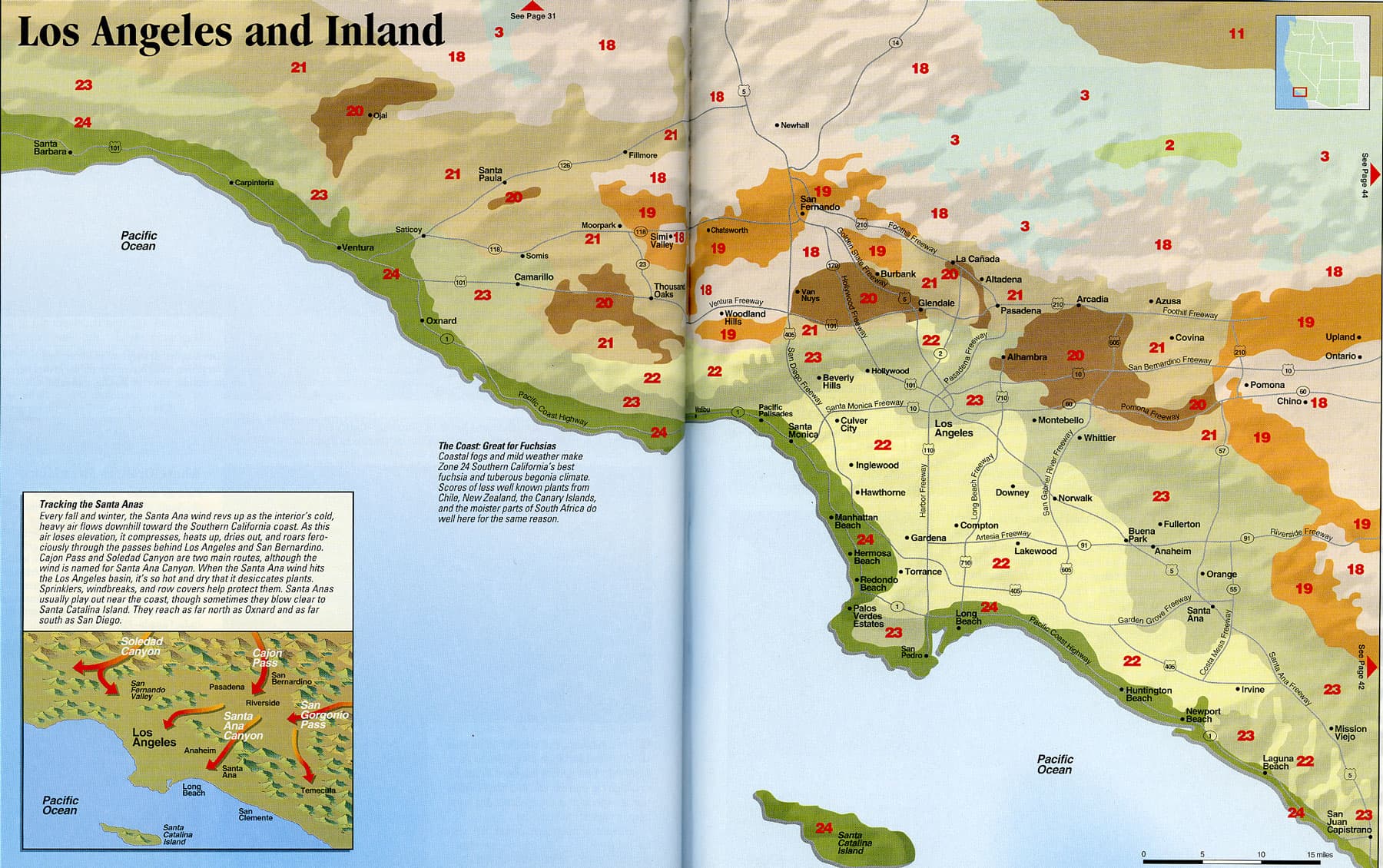
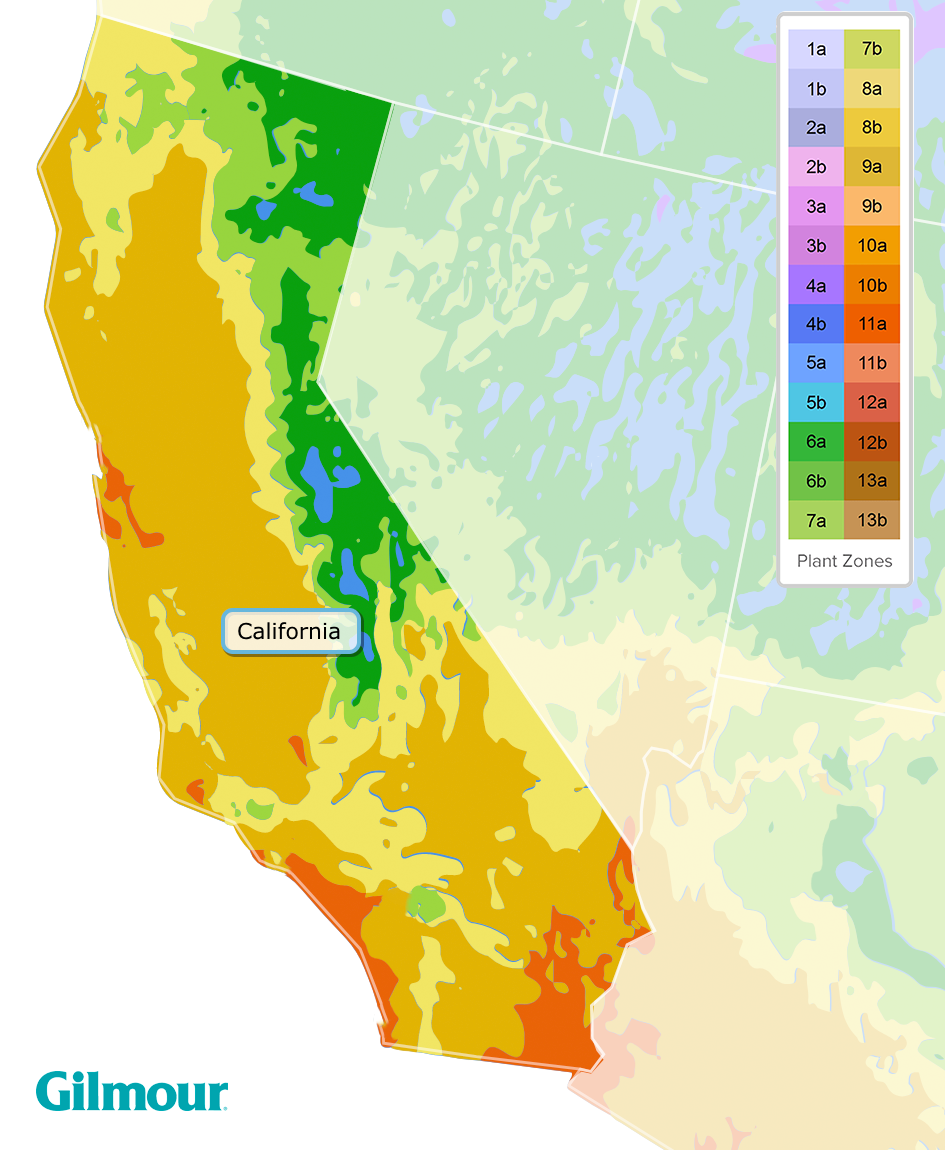
The most important “zone” system in California for residents and long-term visitors is the USDA Plant Hardiness Zone. However, for the average traveler, these zones act as a proxy for the city’s varied weather patterns. Los Angeles is primarily categorized as Zone 10, meaning it enjoys a Mediterranean climate characterized by mild, wet winters and warm, dry summers.
The Coastal Zone
The coastal zone includes iconic areas like Santa Monica and Venice Beach. Here, the influence of the Pacific Ocean keeps temperatures remarkably stable. If you are staying in a resort near the Santa Monica Pier, expect a natural air conditioning effect. The marine layer—a blanket of low-hanging clouds—often rolls in during the mornings, especially in the “June Gloom” period, keeping the air cool and crisp until the afternoon sun burns it away.
The Inland Basin and Valleys
Moving inland toward Downtown Los Angeles or across the hills into the San Fernando Valley, the “zone” shifts significantly. Without the direct tempering influence of the ocean, temperatures here can be 10 to 15 degrees Fahrenheit warmer than at the coast. This is the heart of the city’s concrete landscape, where the heat is absorbed by the urban environment. Travelers visiting Universal Studios Hollywood or the Griffith Observatory should prepare for sharper temperature fluctuations between day and night.
Navigating the Geographic Districts
Beyond weather zones, Los Angeles is organized into distinct districts, each offering a unique lifestyle experience. Understanding these zones is critical for logistical planning, as traffic in the city is notorious and moving between zones can take hours.
The Westside and Coastal Culture
The Westside is the quintessential image of Southern California living. It encompasses upscale neighborhoods like Beverly Hills, Bel Air, and Westwood. This zone is defined by luxury retail, high-end dining, and a relaxed, sun-drenched pace of life. If your travel goal is to experience the glamour of Rodeo Drive or the academic vibrance of the University of California Los Angeles, this is your primary zone of interest.
Hollywood and the Central Core
Hollywood serves as the cultural heart of the entertainment industry. This zone is dense, historical, and frequently crowded. When exploring the Hollywood Walk of Fame or visiting the TCL Chinese Theatre, you are engaging with the “Landmark Zone.” This area is less about expansive nature and more about the architectural history of the Golden Age of film. It is best navigated on foot or via organized tours to avoid the complexities of parking in such a high-traffic region.

The Arts and Civic District
Downtown, often referred to as DTLA, has seen a massive revitalization. It serves as the civic, transit, and cultural hub of the city. Here, you can find the Walt Disney Concert Hall and the The Broad. This zone offers a more urban, metropolitan experience compared to the sprawling residential feel of the outer suburbs. It is the best place to be if you enjoy museums, high-rise luxury hotels, and a burgeoning culinary scene.
Seasonal Considerations and Time Zones
While Los Angeles remains in the Pacific Time Zone, the “seasonal zone” of your visit can change your experience drastically.
The Winter Peak
During the winter months, the coastal regions remain mild, but the proximity to the mountains becomes an asset. You can technically spend the morning hiking in the Angeles National Forest and the afternoon at Malibu Beach. This unique ability to traverse climatic zones within a two-hour drive is what makes Los Angeles a world-class destination.
The Summer Heat
Summer in Los Angeles is dry and often quite hot, particularly in the inland basins. If you are traveling during July or August, prioritize activities in the coastal zones or visit the Getty Center, which sits atop a hill and benefits from cooling canyon breezes. It is also a peak time for visiting the Santa Monica Mountains, provided you start your excursions early in the morning before the heat of the day sets in.
Strategic Tips for Visiting the Different Zones
Regardless of where you land, the key to enjoying Los Angeles is to minimize the time spent crossing between zones. Because the city is so large, planning your itinerary by geographic cluster will save you hours of sitting in traffic on the 405 Freeway.
Focus on One Zone per Day
To truly enjoy your trip, dedicate one day to the Hollywood area, another to the Westside, and perhaps a third to Downtown Los Angeles. Do not try to pack a visit to Griffith Park and the Getty Villa into the same afternoon, as the distance between them is significant.
Dressing for the Variable Zones
Always follow the “layering” rule. Even in the middle of a hot summer, a sunset walk along the Pacific Coast Highway can become chilly once the sun dips below the horizon. Keep a light jacket or sweater with you, especially if your plans take you from an inland zone to the coast.
Utilizing Local Transit
While Los Angeles is known as a car-centric city, the Metro system is expanding and is particularly effective for getting between Downtown Los Angeles, Hollywood, and Santa Monica. Using public transit within a specific zone is a great way to avoid the stress of navigating unfamiliar roads and hunting for parking in popular tourist districts.
Ultimately, “what zone” Los Angeles is in depends on what you are seeking. Whether you are looking for the temperate climate of the coast, the urban energy of the center, or the rugged outdoors of the surrounding mountains, the city offers a diverse array of experiences. By breaking down your visit into these logical geographic and climatic segments, you can transform your trip from a series of transit frustrations into a curated exploration of one of the most vibrant cities in North America. From the surf of Manhattan Beach to the glitz of Beverly Hills, each zone has a story to tell, provided you take the time to listen.
LifeOutOfTheBox is a participant in the Amazon Services LLC Associates Program, an affiliate advertising program designed to provide a means for sites to earn advertising fees by advertising and linking to Amazon.com. Amazon, the Amazon logo, AmazonSupply, and the AmazonSupply logo are trademarks of Amazon.com, Inc. or its affiliates. As an Amazon Associate we earn affiliate commissions from qualifying purchases.