
Planning a trip to the City of Angels requires more than just a list of must-see spots; it demands an understanding of the Mediterranean climate that defines life in Los Angeles. While travelers often associate the region with perpetual sunshine, the reality is a nuanced tapestry of coastal breezes, inland heat, and seasonal shifts. Understanding the weather forecast is not just about checking for rain; it is about timing your visit to the Santa Monica Pier or planning a hike through Griffith Park under the perfect light.
Deciphering the Coastal Microclimates
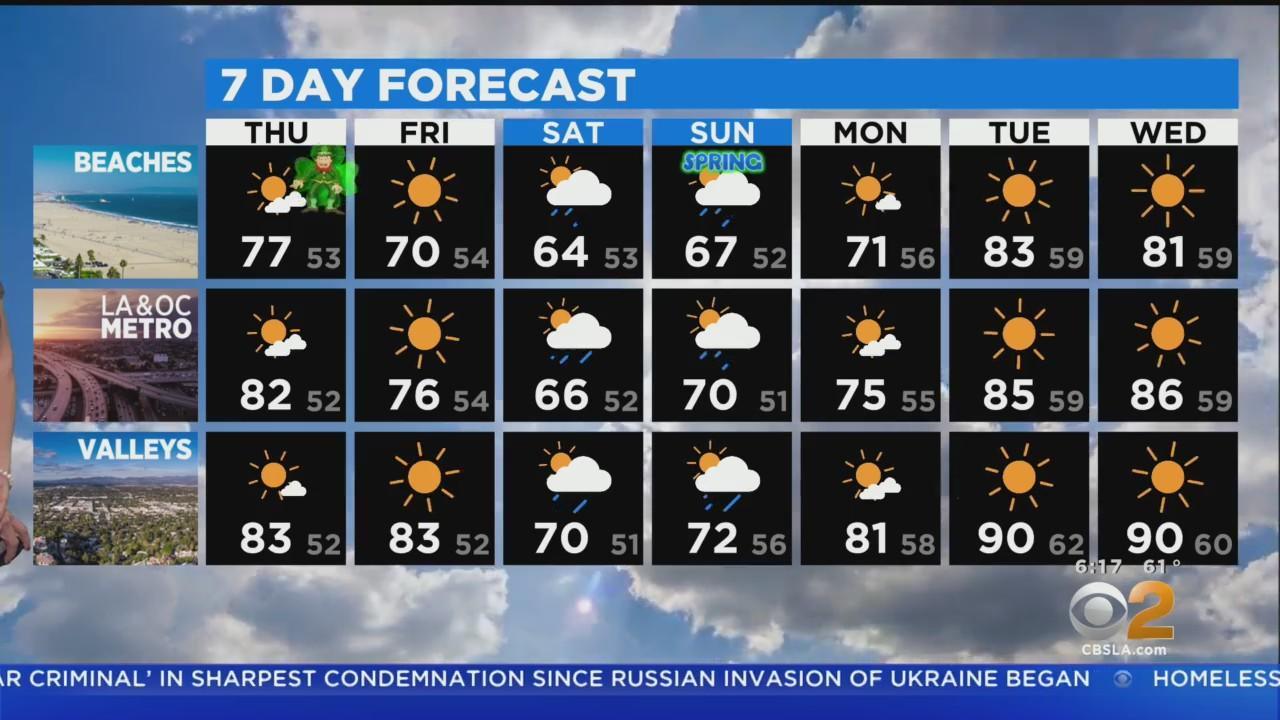
The meteorology of California is famously complex. A ten-mile drive can lead to a ten-degree temperature shift, thanks to the interaction between the Pacific Ocean and the surrounding mountain ranges. When you check the weather for tomorrow, you are not looking at a monolith; you are looking at a regional mosaic.
The Marine Layer Effect
Often, visitors wake up to a thick blanket of clouds known as the “marine layer.” This phenomenon is a hallmark of the Pacific Ocean coast. During the late spring and early summer—often jokingly referred to as “June Gloom”—this layer rolls in overnight, cooling the coastal regions significantly. If your itinerary includes a morning at Venice Beach, do not be discouraged by the morning grey. By early afternoon, the sun typically burns through, revealing the bright, crisp skies that define the region.
Inland vs. Coastal Variability
There is a profound difference between the climate at Malibu and the climate in the San Fernando Valley. While the beach cities benefit from the thermoregulation of the ocean, the inland valleys are shielded from these breezes. If the forecast predicts a high of 75°F for the coast, you can almost guarantee that Hollywood or Downtown Los Angeles will be five to ten degrees warmer. Always plan your outdoor attire in layers to accommodate these shifts as you traverse the metropolitan area.
Seasonal Rhythms and Travel Preparation

While tomorrow’s weather provides the immediate data needed for your daily plans, looking at the broader seasonal context ensures your overall trip is successful. Los Angeles does not follow the traditional four-season model; it adheres to a rhythm dictated by wind patterns and precipitation probabilities.
Winter and Spring Transitions
Winter in Southern California is mild by any national standard. Rain is infrequent, but when it does arrive, it usually comes in short, heavy bursts. This is the prime time to visit the Getty Center, as the crisp air provides incredible visibility for panoramic views of the basin. Spring brings a refreshing transition, with temperatures settling into a comfortable range that is ideal for exploring the Los Angeles County Museum of Art or walking the grounds of Exposition Park.
The Heat of Summer and Autumn
Summers are dry and warm, characterized by long days and very little humidity. This is the season for evening outdoor concerts and alfresco dining. However, be mindful of the “Santa Ana” winds, which typically occur in the autumn. These high-pressure winds bring warm, dry air from the desert, causing temperatures to spike unexpectedly. If the forecast mentions Santa Ana conditions, avoid strenuous activities in the canyons and opt for indoor cultural experiences, perhaps visiting the Academy Museum of Motion Pictures.
Maximizing Your Itinerary Based on Forecasts
The key to mastering Los Angeles is flexibility. When you check the weather for tomorrow, treat it as a tool for tactical adjustment rather than a rigid constraint.
Strategies for Sunny Days
If the forecast promises a clear, high-UV index day, prioritize outdoor landmarks. This is the optimal time to trek the Hollywood Sign trails or take a drive through the Angeles National Forest. Remember that even on sunny days, the reflection from the sand at Huntington Beach or the intensity of the sun in Beverly Hills can be deceptive. Use high-SPF protection and carry hydration, as the dry air masks the body’s dehydration signals.
Strategies for Overcast or “Cool” Days
If the forecast calls for overcast skies or temperatures in the low 60s, pivot your plans toward the city’s incredible concentration of indoor institutions. The Natural History Museum of Los Angeles County is perfect for a cool morning, followed by an afternoon exploring the historic architecture of Union Station. Overcast days are often the best time to visit popular tourist hubs like The Grove or Farmers Market, as the lack of intense heat makes the bustling crowds more manageable.

The Value of Local Insight
Ultimately, the weather in Los Angeles serves as a backdrop to the vibrant energy of the city. Whether you are planning a day at Universal Studios Hollywood or a quiet stroll through Echo Park Lake, look at the forecast as a guide for comfort. If you are ever unsure about the day ahead, simply observe the locals; they are the experts in managing the subtle shifts in the California atmosphere. By pairing the daily weather report with a strategic mindset, you can navigate the diverse geography of Southern California with the ease of a native. Whether tomorrow brings the iconic golden hour glow or a cozy marine layer, the city remains an unparalleled destination, offering unique charms that are only highlighted by the changing skies. From the mountain peaks of the San Gabriel Mountains to the shoreline of the Pacific Ocean, every shift in the weather creates a new perspective on this sprawling, magnificent metropolis. Keep your itinerary light, your jacket handy, and your expectations open to the unexpected beauty that comes with a day in this unique environment.
LifeOutOfTheBox is a participant in the Amazon Services LLC Associates Program, an affiliate advertising program designed to provide a means for sites to earn advertising fees by advertising and linking to Amazon.com. Amazon, the Amazon logo, AmazonSupply, and the AmazonSupply logo are trademarks of Amazon.com, Inc. or its affiliates. As an Amazon Associate we earn affiliate commissions from qualifying purchases.