
For those living in Los Angeles, the dream of stepping into your own backyard to harvest sun-warmed raspberries is entirely achievable, even if the region is better known for its sprawling urban landscape than for its bramble-filled forests. While the Mediterranean climate of Southern California presents unique challenges regarding heat and soil moisture, selecting the right cultivars through reputable online nurseries can transform your garden into a productive oasis.
Navigating the Climate Challenges of Southern California
Growing raspberries in an environment characterized by low humidity and intense seasonal heat requires a strategic approach. Unlike the lush, temperate climates of the Pacific Northwest, Los Angeles requires varieties that are heat-tolerant and early-bearing. Before browsing online catalogs, it is essential to understand the microclimates within your local zip code.
Selecting Heat-Tolerant Cultivars
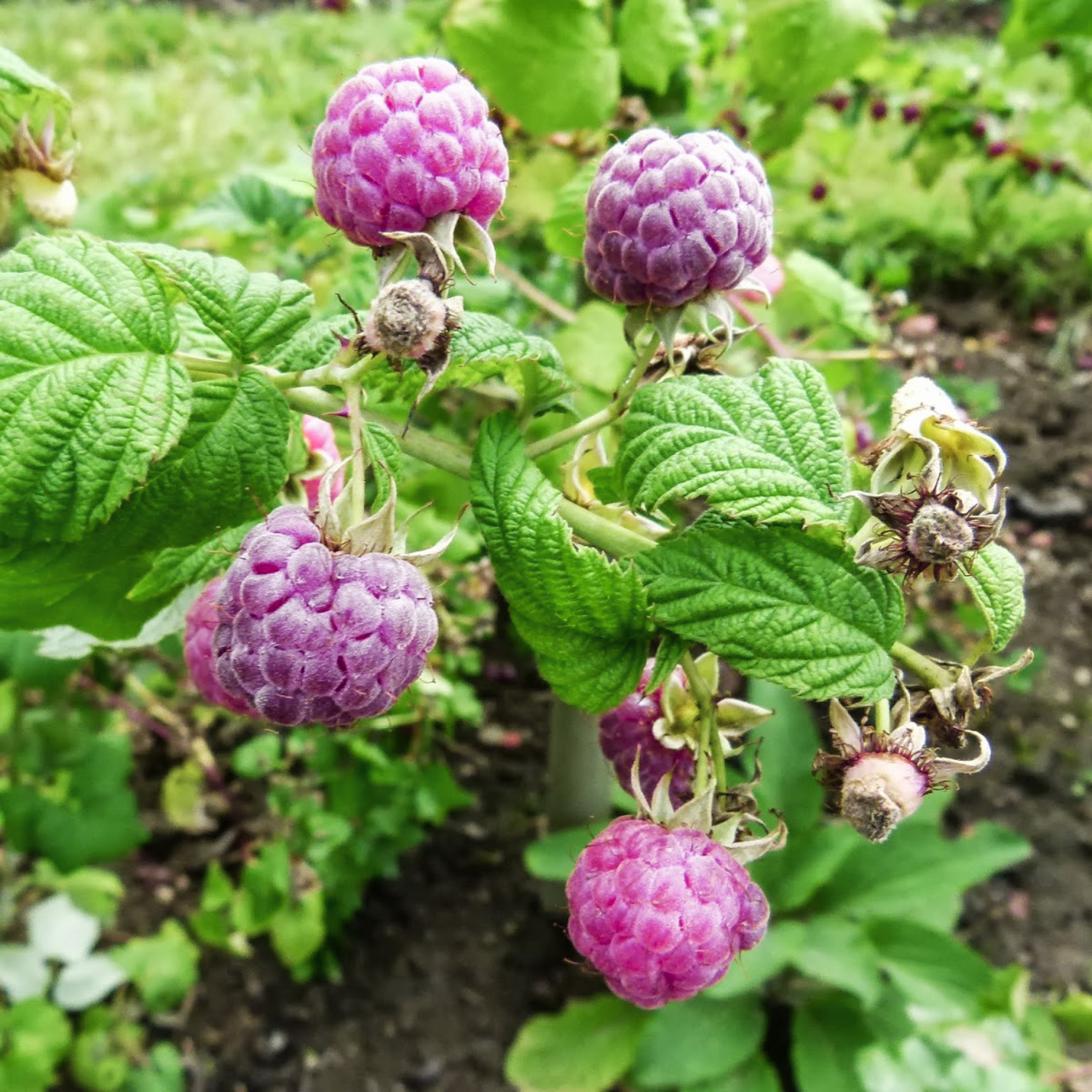
When purchasing online, look specifically for “low-chill” varieties. Raspberries typically require a certain number of “chill hours”—temperatures between 32 and 45 degrees Fahrenheit—to trigger dormancy and fruit production. Many traditional Northern varieties will struggle in the mild winters of the Los Angeles Basin. Varieties like ‘Baba’ or ‘Heritage’ are often cited by local horticulturists as being more resilient in warmer zones.
The Importance of Root Health
When ordering online, the quality of the rootstock determines your long-term success. Reputable nurseries that ship to California will often provide bareroot canes during the late winter or early spring. These dormant plants are easier to establish than container-grown specimens. Ensure that the online retailer performs rigorous pest inspections, as California has strict agricultural regulations regarding the introduction of soil-borne pathogens.
Top Online Resources for Berry Enthusiasts
While Los Angeles has several excellent local nurseries, online specialty shops offer a depth of variety that you simply cannot find in general-purpose home improvement stores. Accessing national growers allows you to choose from disease-resistant cultivars that have been specifically bred for home gardens.
Specialty Berry Nurseries
Major online nurseries often have dedicated sections for “Brambles” or “Small Fruits.” When shopping online, prioritize websites that provide detailed descriptions of the “Zone” compatibility. Ensure that your chosen vendor is willing to ship to Los Angeles and adheres to all state agricultural guidelines. These nurseries often provide better tracking and shipping protection, ensuring that your canes arrive moist and viable.
Evaluating Online Retailer Transparency
Before completing your purchase, evaluate the online shop’s customer service and shipping policies. A high-quality online plant retailer should offer:
- Clear guidelines on the best time to plant for Southern California.
- Detailed information on the specific hardiness zone.
- Assurance that their plants are “certified virus-free.”
- Responsive support for when your shipment arrives.
Best Practices for Planting and Maintenance
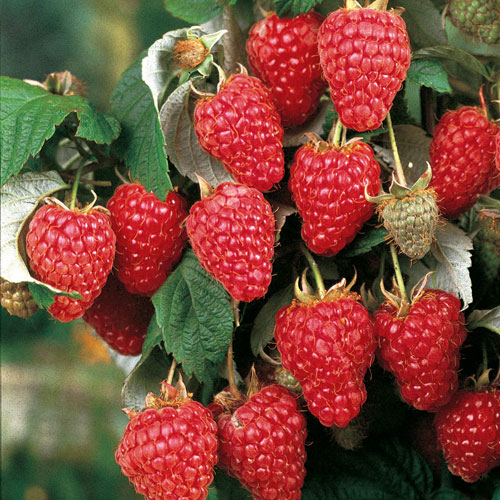
Once your raspberry plants arrive at your doorstep in Los Angeles, the success of your project shifts from selection to cultivation. Raspberries are perennials that, if treated correctly, can provide fruit for years. However, in California, they require a bit more “pampering” than they might in a cooler climate.
Soil Preparation and Irrigation
The heavy clay soil often found in Los Angeles can be problematic for raspberries, which require excellent drainage to prevent root rot. Before planting, amend your soil with high-quality organic matter, such as compost or aged manure. If you are planting in raised beds—a highly recommended method for the Los Angeles area—use a high-quality, well-draining potting mix. Drip irrigation is essential. The dry air of the Santa Monica Mountains or the San Fernando Valley can dehydrate plants rapidly, so a consistent moisture level is the secret to plump, juicy berries.
Strategic Placement for Sun Exposure
While raspberries generally love the sun, the intensity of the California sun can be too much for them during the peak of summer. Aim for a spot that receives morning sunlight but is protected from the scorching afternoon heat. Utilizing shade cloth during the hottest months of July and August can protect the leaves from burning and prevent the fruit from drying out on the cane.
Designing a Sustainable Berry Patch
Integrating a raspberry patch into your Los Angeles landscape is an exercise in both aesthetics and productivity. When you order your plants online, consider the spatial requirements for the varieties you choose. Some raspberries are “primocane” (bearing fruit on first-year growth), while others are “floricane” (bearing fruit on second-year growth). Planning your layout based on these growth habits will ensure your garden remains tidy and manageable.
Trellising and Support Systems
Raspberry canes can become top-heavy, especially when loaded with fruit. In the Los Angeles area, where seasonal Santa Ana winds can be forceful, providing a sturdy support system is not optional. Constructing a simple T-bar trellis with wire supports will keep your canes upright, improve air circulation, and make harvesting significantly easier. This structure also prevents the canes from trailing on the ground, which reduces the risk of pests and fungal issues.
Mulching to Retain Moisture
In a drought-prone region like Southern California, mulch is your best friend. Applying a thick layer of wood chips or straw around the base of your raspberry plants will regulate soil temperature, suppress weeds, and retain vital moisture. This mimics the cool, damp floor of a natural forest, creating a micro-environment that makes these plants feel much closer to home.
Enjoying the Harvest and Long-term Care
The ultimate reward for sourcing your plants from the best online retailers is the harvest. As your plants settle in, you will notice that the quality of your home-grown fruit is vastly superior to the supermarket variety. Because you control the inputs, you can ensure that your berries are grown organically and without unnecessary chemicals.
Seasonal Pruning for Success
Pruning is perhaps the most important long-term maintenance task. For primocane varieties, you can often cut the entire patch to the ground once a year after the late-season harvest, which simplifies care significantly. For floricane varieties, you must be more selective, removing only the canes that have already produced fruit. Keeping up with these seasonal tasks will ensure your plants remain vigorous and productive for many years to come.
Building Your Berry Collection
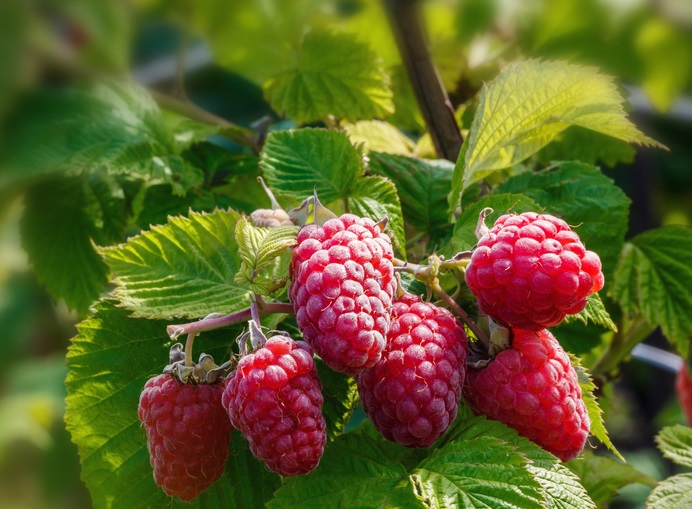
As you gain experience, you might choose to expand your collection. Many gardeners in Los Angeles start with a single variety and gradually add others as they identify which ones thrive in their specific location. By tracking your success and learning from the growth patterns of each cultivar, you can create a diverse, high-yielding backyard berry patch that serves as a beautiful and delicious centerpiece of your home landscape. With the right selection from online sources and diligent care, fresh, organic raspberries are well within your reach in the heart of Southern California.
LifeOutOfTheBox is a participant in the Amazon Services LLC Associates Program, an affiliate advertising program designed to provide a means for sites to earn advertising fees by advertising and linking to Amazon.com. Amazon, the Amazon logo, AmazonSupply, and the AmazonSupply logo are trademarks of Amazon.com, Inc. or its affiliates. As an Amazon Associate we earn affiliate commissions from qualifying purchases.