
The TCS New York City Marathon stands as the pinnacle of long-distance running, a grueling yet exhilarating 26.2-mile pilgrimage through the world’s most iconic metropolis. Every November, over 50,000 runners from every corner of the globe converge on New York City to test their mettle against the city’s distinct geography and the raucous, indomitable energy of the local crowds. Preparing for this race is not merely about physical conditioning; it is about mastering the logistical, tactical, and mental landscape of one of the most challenging courses in the world.
The Path to the Start Line: Navigating Entry Requirements
Securing a bib for this prestigious event is often described as the first marathon of the experience. Unlike smaller marathons, the demand to participate in the New York City race far exceeds capacity, making the entry process a competitive endeavor in its own right.

The Lottery and Time Qualification
For most international and national runners, the primary entry method is the non-guaranteed general entry drawing. The odds can be slim, reflecting the global prestige of the event. Alternatively, high-performance athletes can gain entry through time qualification, which requires meeting strict age and gender-specific standards at designated marathons. These standards are exceptionally high, ensuring that those who qualify through time add a elite competitive flair to the starting blocks.
The 9+1 Program
For dedicated local residents, the New York Road Runners offer the 9+1 program. This requires runners to complete nine qualifying events and volunteer at one additional New York Road Runners event within a calendar year. This pathway ensures that the starting field is peppered with athletes who have demonstrated long-term commitment to the local running community and the organization that powers the race.
Charity Partnerships
If you fail to gain entry via the lottery, charity partnerships offer a life-changing alternative. By committing to raise significant funds for an official charity partner, runners can secure a guaranteed entry. This path transforms the marathon into a mission, providing an extra layer of motivation as you hit the wall in Brooklyn or Queens.
Strategic Course Preparation: Mastering the Five Boroughs
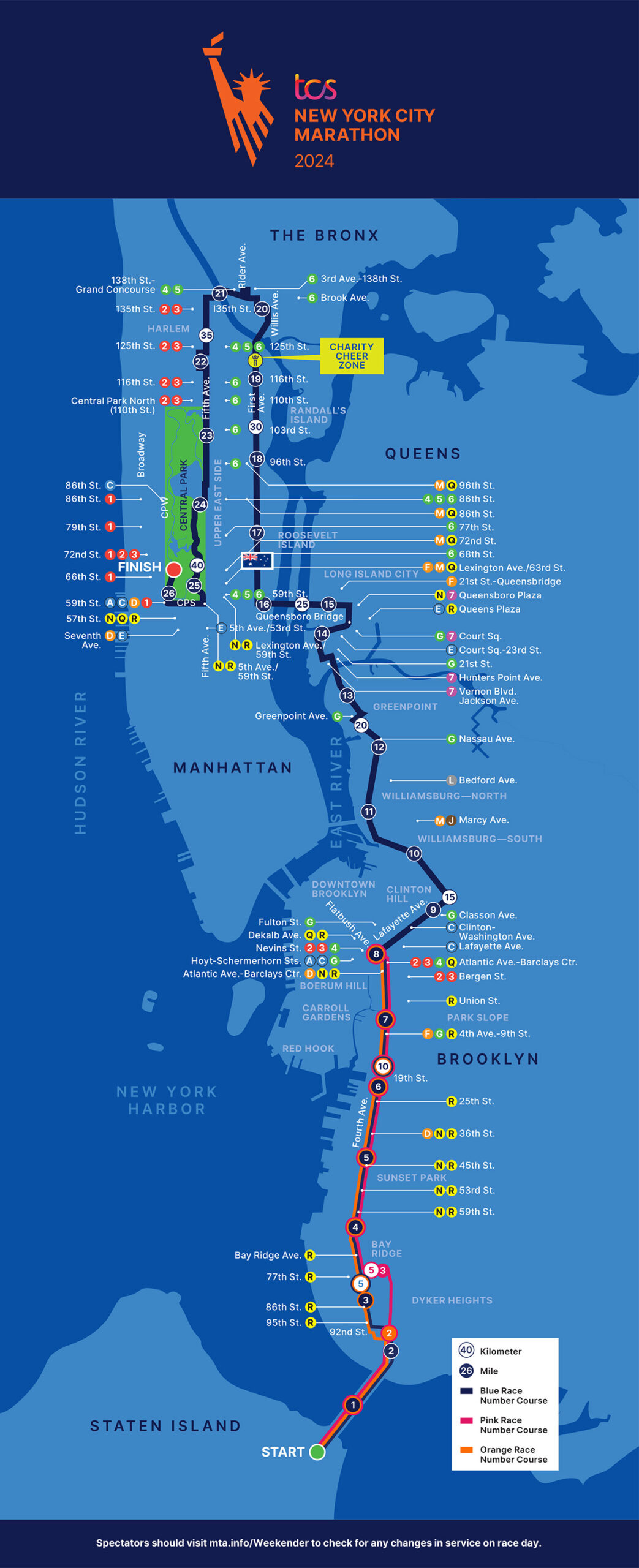
The TCS New York City Marathon is famous—or perhaps infamous—for being a course of two halves. Understanding the nuances of the terrain is vital for avoiding the common pitfall of starting too fast.
The Start: The Verrazzano-Narrows Bridge
The race begins on the upper level of the Verrazzano-Narrows Bridge. The ascent is steep and the wind can be brutal. Resist the urge to chase the pace set by adrenaline-fueled runners around you. If you go out too hard here, you will pay for it in the final miles. Keep your effort level controlled; it is a long day, and the beauty of Staten Island receding behind you should be savored, not suffered through at a sprint.

The Middle Miles: Brooklyn and Queens
Once you descend into Brooklyn, the course levels out and the crowds truly wake up. This is where the race begins to feel like a festival. You will pass through diverse neighborhoods, each with its own local flavor and support. However, stay focused. The long, flat stretches can lull you into a false sense of security. Save your energy for the bridges, which act as the subtle “peaks” of the course, and maintain a consistent hydration strategy.
The Transition: Queensboro Bridge
The Queensboro Bridge is arguably the most daunting section of the marathon. It is quiet, lonely, and physically demanding. You are climbing in silence, leaving behind the roar of the crowds in Queens. When you exit the bridge onto First Avenue in Manhattan, the wall of sound that hits you is one of the most emotional experiences in sports. It is the moment most runners say the race truly starts.
Logistics: Managing the Athlete Experience
Success at the TCS New York City Marathon depends on how well you manage your logistics, from travel to the final sprint.
Where to Stay
Selecting the right base is essential. Many runners prefer hotels in Midtown Manhattan for easy access to the race logistics, such as the shuttle buses and the finish line area. Staying near Central Park allows for an easier exit post-race, but be mindful that road closures can make transport tricky on Sunday. Booking well in advance is non-negotiable; hotel rates spike, and availability drops to near zero months before the race.
Nutrition and Hydration
The humidity and temperature variations in New York City during early November can be unpredictable. Train with the electrolyte products provided on the course to ensure your stomach handles them well. The aid stations are frequent, but during peak density, they can become crowded. Carry a handheld bottle if you prefer to bypass the busiest stations.
Mental Preparation and Recovery
The marathon is as much a mental game as it is physical. Break the 26.2 miles into four manageable segments:
- The Bridge and Staten Island (The Start)
- Brooklyn and Queens (The Middle)
- The Bronx (The Challenge)
- Central Park (The Finish)
When you hit the infamous rolling hills of Central Park in the final miles, remind yourself that the crowd is the loudest it has been all day. Use the energy of the spectators to keep your form together.
Post-Race: Celebrating in the City That Never Sleeps
After crossing the finish line, you will be directed through a massive runner-recovery zone before exiting into the streets of Manhattan. Do not underestimate the difficulty of walking post-race. Plan your post-marathon logistics ahead of time. Many runners book a celebratory dinner in Hell’s Kitchen or Times Square to soak in the atmosphere.
Remember to walk as much as possible in the days following the race to aid muscle recovery. Take advantage of the city’s world-class dining to replenish your glycogen stores, and perhaps take a stroll through the High Line to admire the skyline you just conquered. Running the TCS New York City Marathon is a transformative experience, one that cements your place in the legacy of New York City. Whether you finish with a personal best or simply with a medal around your neck, the memory of those 26.2 miles will stay with you forever.
LifeOutOfTheBox is a participant in the Amazon Services LLC Associates Program, an affiliate advertising program designed to provide a means for sites to earn advertising fees by advertising and linking to Amazon.com. Amazon, the Amazon logo, AmazonSupply, and the AmazonSupply logo are trademarks of Amazon.com, Inc. or its affiliates. As an Amazon Associate we earn affiliate commissions from qualifying purchases.