
When planning long-term care for an aging loved one, the financial implications can feel overwhelming. For many families in New York, the desire to keep a relative at home rather than placing them in an institution is a priority. Fortunately, the state has developed programs that allow family members to serve as paid caregivers. Understanding how these systems function is essential for those balancing the emotional rewards of family caregiving with the harsh realities of daily living expenses.
The Consumer Directed Personal Assistance Program (CDPAP)
The cornerstone of family-based care in the Empire State is the Consumer Directed Personal Assistance Program, commonly referred to as CDPAP. This program is a unique Medicaid initiative that empowers the patient—or their designated representative—to recruit, hire, and supervise their own personal care assistants.

Why CDPAP Changes the Landscape
Unlike traditional home health care where an agency sends a revolving door of aides, CDPAP allows the patient to choose the person they trust most: a family member. This arrangement often leads to better health outcomes, as the caregiver already understands the nuances of the patient’s personality, routines, and specific medical needs. For families living in vibrant communities like Brooklyn or the bustling boroughs of New York City, this program provides a sense of autonomy that traditional agencies cannot match.
Eligibility Requirements
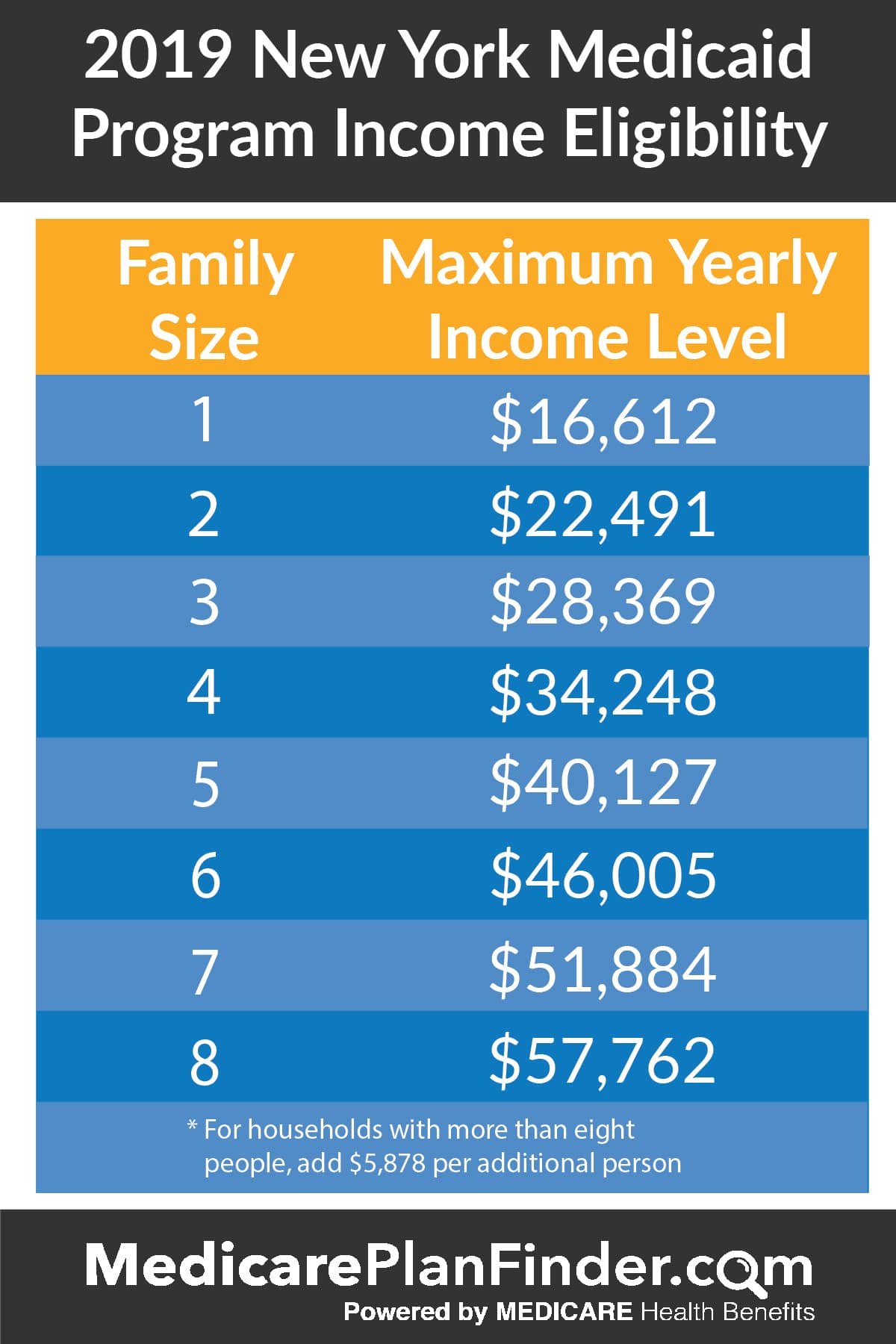
To participate, the recipient must be enrolled in Medicaid and require assistance with activities of daily living (ADLs), such as bathing, dressing, or mobility. Importantly, the caregiver can be almost any relative, including adult children, siblings, or spouses. However, there are specific legal restrictions regarding the primary representative; for instance, the parent of a minor child generally cannot be the paid caregiver under this specific structure.
Compensation Structures and Pay Rates
One of the most frequently asked questions concerns the specific dollar amount a family caregiver can expect to earn. Because New York is a massive state with varying costs of living, compensation is not uniform.
Regional Variances
Pay rates for CDPAP are influenced by the local Department of Social Services and the specific managed long-term care plan (MLTC) overseeing the patient’s benefits. In metropolitan areas like Manhattan or Queens, where labor costs and union standards are higher, hourly rates are typically set significantly above the state minimum wage.
Factors Influencing Your Paycheck
It is important to understand that you are not “paid” directly by the state in the traditional sense of a salary. Instead, you are employed through a Fiscal Intermediary (FI). The FI handles the administrative burdens—payroll, tax withholding, and compliance—while you focus on providing the care. The amount you take home depends on:
- The total hours authorized: A nurse or clinical coordinator evaluates the patient’s needs and assigns a specific number of weekly hours.
- The Union Status: Many caregivers in New York State are represented by labor unions like 1199SEIU, which can negotiate for higher wages, paid time off, and health benefits for their members.
- Overtime Rules: If you are providing live-in care or exceeding 40 hours per week, specific overtime regulations apply. However, these rules can be complex when dealing with “live-in” status versus hourly care, so consulting with your Fiscal Intermediary is vital.
The Administrative Path to Becoming a Paid Caregiver
Transitioning into the role of a paid caregiver requires navigating a series of administrative steps. It is a process that demands patience and organization, but the long-term benefit of being compensated for your time is significant.
Step-by-Step Enrollment
- Medicaid Enrollment: The patient must first be verified as Medicaid-eligible. If they are not already covered, you must apply through the Human Resources Administration or your local county office.
- Assessment: An assessment by a state-approved nurse will determine the level of care needed. This is the most critical phase, as the resulting “hour authorization” determines how much you will be paid.
- Selecting a Fiscal Intermediary: The choice of an FI is yours. You want a provider that is responsive, understands the unique needs of your specific county—whether you are in Westchester County or further upstate in Albany—and maintains a transparent billing process.
- Onboarding: Once an FI is selected, you will complete the necessary employment documentation. Unlike traditional employment, this process focuses on the patient’s ability to direct their own care, even if they have a family member acting as their proxy.
Maintaining Compliance
Consistency is key to keeping your eligibility and pay stable. You will be required to submit time sheets regularly. Errors in documentation are the most common reason for payment delays. Utilizing electronic visit verification (EVV) systems—which many agencies now use—can streamline this process, allowing you to log your hours digitally using a smartphone application rather than relying on paper logs.
Balancing Caregiving with Personal Financial Health
Providing care for a loved one is a profound commitment, but it carries a risk of “caregiver burnout.” While receiving compensation through Medicaid helps alleviate the financial burden of lost wages, the emotional toll of full-time caregiving remains a reality.
Financial Planning and Legal Protections
It is highly recommended that families consult with an elder law attorney in regions like Long Island or Buffalo. An attorney can assist in ensuring that the arrangement does not inadvertently disqualify the patient from other Medicaid benefits. Additionally, because family caregivers often sacrifice their own retirement savings to provide care, viewing this compensation as a legitimate source of income—rather than just “helping out”—is a professional shift in perspective that ensures the sustainability of the care arrangement.

Taking Advantage of Respite Care
Even when you are the primary caregiver, New York’s Medicaid system often provides provisions for “respite care.” This allows you to take a break while a temporary substitute aide steps in. This is not only essential for your mental well-being but is also a structural requirement that ensures the patient remains safe if you were to fall ill or need to travel for personal reasons.
In conclusion, while the compensation for family caregivers in New York is contingent upon the specific needs of the patient and the regulations of the local health plan, the CDPAP program remains one of the most effective ways to stabilize the home environment. By navigating the enrollment process with diligence and partnering with a reputable Fiscal Intermediary, you can ensure that your dedication to your family member is supported by a stable and reliable income stream. As you move forward, keep a close watch on changes in state policy through resources like the New York State Department of Health, as programs and hourly minimums are subject to legislative adjustments that directly impact your livelihood.
LifeOutOfTheBox is a participant in the Amazon Services LLC Associates Program, an affiliate advertising program designed to provide a means for sites to earn advertising fees by advertising and linking to Amazon.com. Amazon, the Amazon logo, AmazonSupply, and the AmazonSupply logo are trademarks of Amazon.com, Inc. or its affiliates. As an Amazon Associate we earn affiliate commissions from qualifying purchases.