
Traveling across Louisiana offers a unique glimpse into the diverse cultural tapestry of the American South. For those planning a journey between the state’s two most iconic urban centers, understanding the distance between New Orleans and Shreveport is essential for effective trip planning. While both cities share the same state boundaries, they sit at opposite ends of the geographic spectrum, providing travelers with a cross-section of bayous, piney woods, and urban evolution.
Navigating the Distance Between Two Worlds
The journey from the Gulf Coast to the Ark-La-Tex region spans a significant portion of the state. Understanding the logistics of this route is the first step in ensuring a smooth transition between these two distinct environments.
The Direct Route via I-49 and I-10
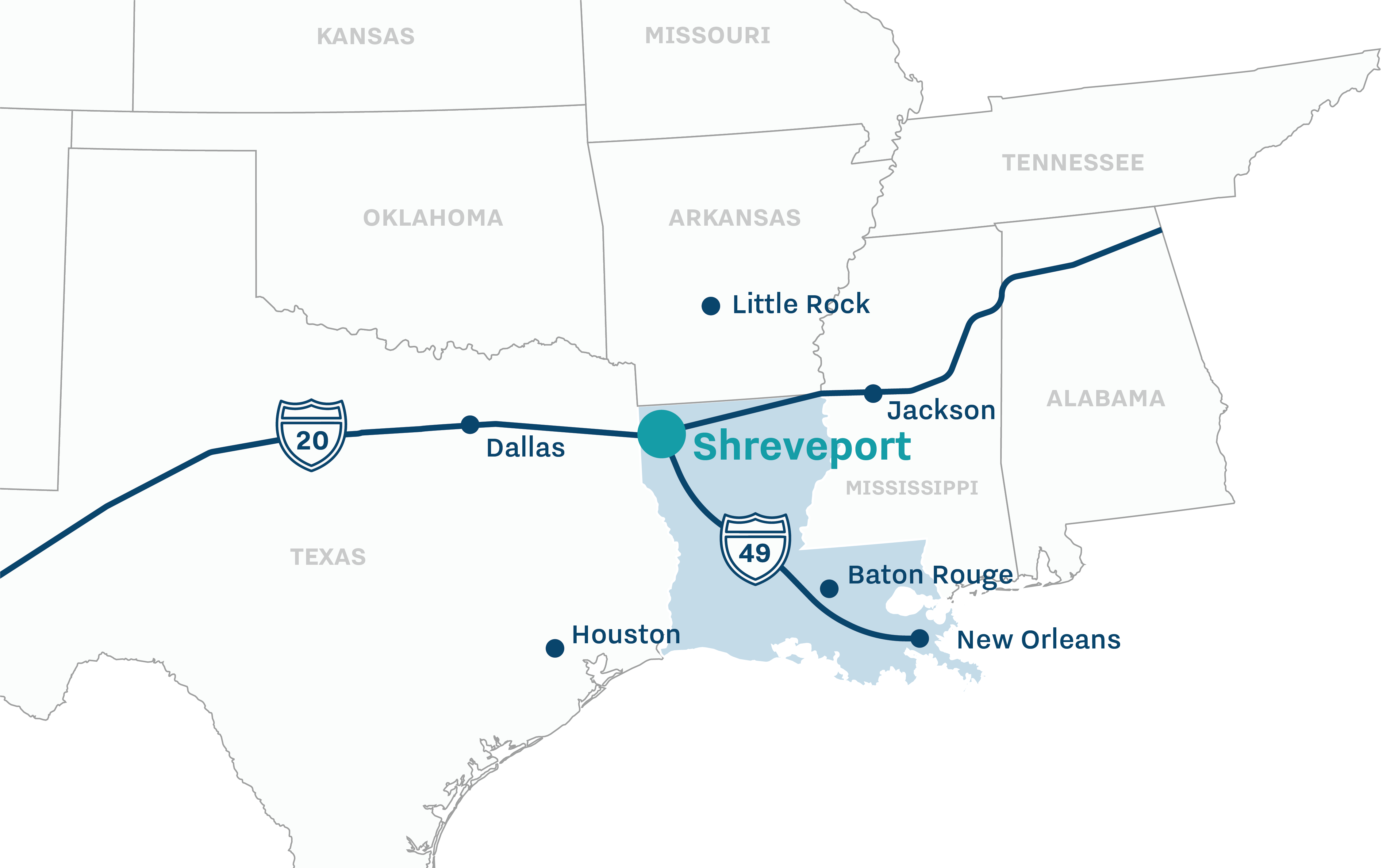
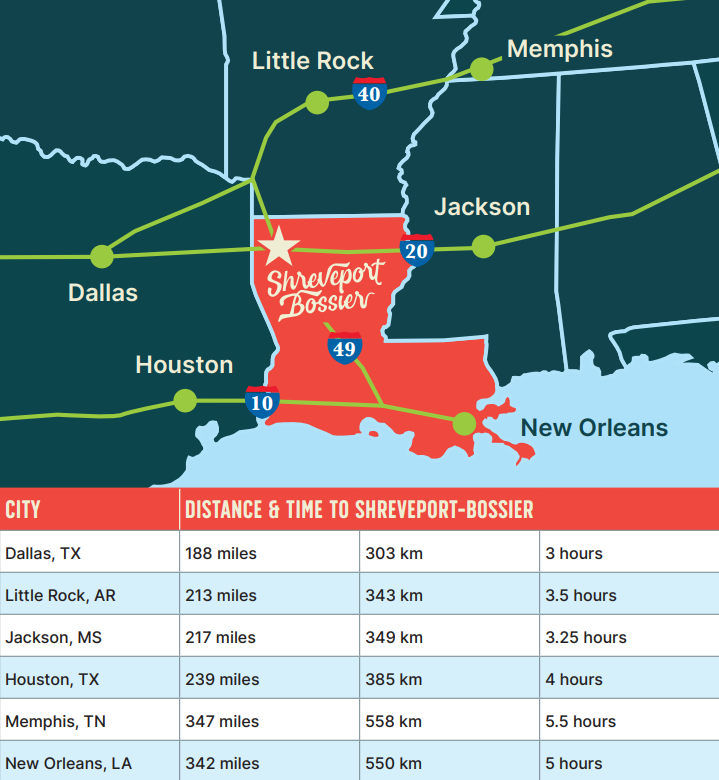
For most travelers, the primary route connecting these two cities involves a combination of major interstate highways. Spanning approximately 330 to 350 miles, the drive typically takes between five and six hours under optimal traffic conditions.
The path primarily follows Interstate 10 westward from New Orleans toward Lafayette. From there, motorists transition onto Interstate 49, which serves as the primary artery running north through the heart of the state. This transition marks the shift from the swampy, sea-level terrain of the southern delta to the more elevated, rolling hills of the northern interior.
Factors Influencing Travel Time
While the mathematical distance is fixed, the actual time spent on the road can vary significantly based on several external factors. Traffic congestion in the metropolitan areas of Baton Rouge and Alexandria can add unexpected delays to the trip. Additionally, Louisiana weather—particularly during summer thunderstorms or hurricane season—can impact highway speeds and visibility. Travelers are advised to check real-time traffic updates before departing to determine if they need to account for extra travel time.
A Journey Through the Heart of the Pelican State
Taking the time to drive between these two destinations allows for a deeper appreciation of the regional nuances that define the state. The landscape changes noticeably as one moves from the coast to the northern border, revealing the hidden gems of the United States.
Exploring the Acadiana Region
About two hours into the journey from New Orleans, travelers enter the Acadiana region. This area is famous for its vibrant Cajun heritage, distinct musical traditions, and world-class culinary scenes. A stop in Lafayette is highly recommended for those looking to experience authentic Creole cuisine or visit historic sites that celebrate the francophone roots of the region.
The Transition to the Piney Woods
As the interstate winds further north, the scenery shifts from the moss-draped oaks of the south to the towering pines of the northern parishes. Alexandria, situated near the geographical center of the state, serves as a perfect halfway point for a rest stop. The area offers various parks and historical markers that provide a glimpse into the military and agricultural history of the region, allowing travelers to stretch their legs and explore the transition zones between the state’s diverse ecosystems.
Optimizing Your Travel Strategy
Whether you are traveling for business, a weekend getaway, or a long-distance road trip, choosing the right mode of transportation and timing your departure can significantly enhance your experience.
Driving vs. Flying
For those pressed for time, flying is an option, though it is often more complex than one might expect. There are no direct, high-frequency commercial flights between Louis Armstrong New Orleans International Airport and Shreveport Regional Airport. Most flights involve a layover, usually in Dallas or Houston, which often negates the speed advantage of air travel when factoring in security lines and boarding times.
For the majority of travelers, driving remains the preferred method. It offers the flexibility to stop at Atchafalaya National Wildlife Refuge or visit small towns along the way that provide a more authentic look at local life than an airport terminal ever could.
Best Times to Depart
Traffic on Interstate 10 around Baton Rouge can become quite heavy during morning and evening rush hours. To ensure a more relaxing drive, it is best to leave New Orleans mid-morning after the initial commuter surge or early in the afternoon. If traveling on a Friday or Sunday, expect higher volumes of vacationers, especially during Mardi Gras season or other major festival weekends.
Beyond the Distance: What Awaits at the Destination
The contrast between the two cities is one of the most compelling reasons to make the trek. Each city offers a completely different side of the South, providing a well-rounded travel experience for anyone touring the region.
The Soul of New Orleans
New Orleans is a city that needs little introduction. Known for its French Quarter, jazz heritage, and architecture that defies the standard American mold, it is a destination that captures the imagination. From the late-night music clubs on Frenchmen Street to the historic Garden District, the city is a constant sensory experience.
The Charm of Shreveport
In contrast, Shreveport offers a more relaxed pace. Situated on the banks of the Red River, the city is known for its burgeoning riverboat gaming industry, diverse museums, and a growing arts district. The R.W. Norton Art Gallery and the Sci-Port Discovery Center are standout attractions that showcase the cultural depth of the northern part of the state.
Bridging the Gap
Traveling between New Orleans and Shreveport is more than just a commute; it is an exploration of the varied geography and culture that makes Louisiana a fascinating state to traverse. By understanding the road, the timing, and the potential stops, you can turn a five-to-six-hour drive into a memorable journey that highlights the best of the Gulf South. Whether you are moving toward the rhythmic pulse of the Mississippi River delta or heading into the inviting, wooded landscapes of the north, the distance between these two cities serves as a bridge between two distinct versions of the southern experience. Prepare your playlist, check your tires, and embrace the road trip—the beauty of the journey is found in the miles in between.
LifeOutOfTheBox is a participant in the Amazon Services LLC Associates Program, an affiliate advertising program designed to provide a means for sites to earn advertising fees by advertising and linking to Amazon.com. Amazon, the Amazon logo, AmazonSupply, and the AmazonSupply logo are trademarks of Amazon.com, Inc. or its affiliates. As an Amazon Associate we earn affiliate commissions from qualifying purchases.