
For those planning a journey to the deep south of the United States, understanding the natural rhythm of the daylight is essential for crafting the perfect itinerary. Whether you are aiming to capture the golden glow of the sunset over the Mississippi River or you want to ensure you are safely off the swamp tours before the bayou gets too dark, knowing when twilight descends upon Louisiana is key. As a state defined by its unique geography and subtropical climate, the transition from day to night here is often a dramatic, humid, and visually stunning affair.
The Seasonal Shift of Daylight in the Pelican State
Because Louisiana is situated at a relatively low latitude, the variation in daylight hours is less extreme than in northern states. However, the difference between the peak of summer and the depths of winter remains significant enough to impact your travel planning.
Summer Evenings in New Orleans
During the height of summer, specifically from June through August, you can expect long, lingering evenings. In cities like New Orleans, the sun often stays above the horizon until well after 8:00 PM. This is the prime time to enjoy outdoor dining in the French Quarter or a late-afternoon stroll through Jackson Square. The heat of the day tends to dissipate slightly as the sun dips, making the post-sunset hours the most social time of the day in the city.
Winter Twilight and Early Sunsets
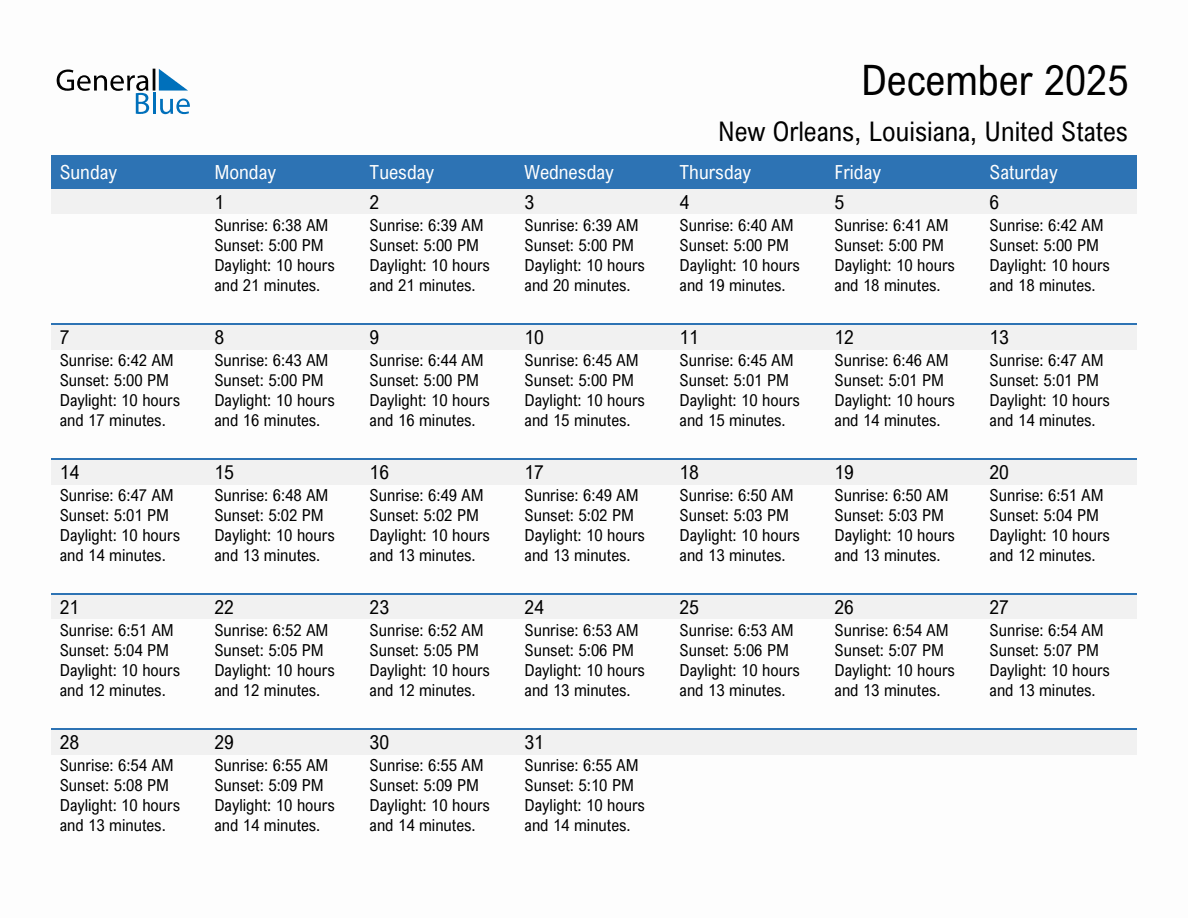
Conversely, during the winter months, daylight fades much earlier. By December, the sun can begin to set as early as 5:00 PM. While this gives you less time for outdoor photography, it perfectly highlights the festive atmosphere of the holiday season. If you are visiting Baton Rouge or Lafayette in the winter, plan your outdoor activities for the early morning or midday to make the most of the sun.
Optimizing Your Travel Itinerary Around Light
When traveling through Louisiana, the light levels dictate not just what you see, but how you experience it. The southern landscape, filled with wetlands, bayous, and historic plantations, takes on a completely different character once the sun goes down.
Bayou Tours and Wildlife Viewing
If you are booking a swamp tour—a quintessential activity in places like Honey Island Swamp—it is best to time your excursion for the morning or early afternoon. Wildlife, including the iconic American Alligator, is most active when the sun is high. As it gets dark, visibility on the water drops significantly, and most professional tour operators will wrap up their final sessions well before the onset of true darkness to ensure guest safety.
Sunset Photography at Plantations
For photography enthusiasts, the light in Louisiana offers a soft, diffused quality, especially near the coast. Visiting historic sites like Oak Alley Plantation or Laura Plantation during the “golden hour”—the period shortly before sunset—provides the best natural lighting for capturing the grandeur of the oak-lined paths and antebellum architecture. Knowing that the sun sets earlier in the winter means you should arrive at these locations by 3:00 PM to ensure you have enough time to explore the grounds before the light vanishes.
Regional Variations Across the State
While Louisiana is not a massive state, its longitudinal span can create a slight, albeit noticeable, variance in sunset times between the eastern border near Mississippi and the western border near Texas.
Eastern Louisiana: The New Orleans and Northshore Corridor
In the eastern part of the state, sunset times are slightly earlier than in the west. This is a standard geographic phenomenon, but for travelers moving quickly between cities, it is worth keeping in mind. If you are staying in Slidell or Covington and plan to drive into the city for dinner, the transition from dusk to dark happens quite rapidly, a characteristic of the humid southern atmosphere which can trap light and cause the sky to darken more quickly than in arid environments.
Western Louisiana: The Acadiana Experience
In the western regions, closer to Lake Charles and Shreveport, you gain a few extra minutes of evening light. This can be the deciding factor if you are driving across the state and hoping to reach a destination like the Atchafalaya National Wildlife Refuge before visibility becomes an issue. Travelers should always check local weather forecasts and sunset tables for their specific coordinate to avoid driving on rural highways after dark, where wildlife on the road can be a significant hazard.
Safety and Practical Tips for Travelers
Understanding the lighting schedule is more than just a matter of convenience; it is a fundamental aspect of safety while traveling in the American South.
Navigating Rural Louisiana
If you are planning a road trip along the Creole Nature Trail, remember that the roads are often narrow and surrounded by dense marshes. Once the sun goes down, these roads become significantly harder to navigate. It is highly recommended to finalize your driving routes while there is still ambient light. Furthermore, many of the smaller, charming towns in Louisiana have limited street lighting, making it easy to miss turns or signage.
Seasonal Nightlife Considerations
In the more urban centers, the darkness is when the culture truly comes alive. In New Orleans, the transition to night signifies the start of the musical heritage that defines the city. Frenchmen Street becomes the epicenter of live jazz as the sky turns black. While the days are for sightseeing, the nights are for immersion in the local arts.
Whether you are here to explore the rich history of the National WWII Museum or to experience the mystery of the Jean Lafitte National Historical Park and Preserve, you will find that managing your time around the setting sun allows you to experience the best of both worlds. The day belongs to the nature and architecture of the state, while the night belongs to the music, food, and hospitality that make Louisiana one of the most unique travel destinations in the world. Always keep an eye on your clock, plan for the earlier sunsets during the autumn and winter months, and you will ensure a seamless and enjoyable journey through this vibrant southern landscape.
LifeOutOfTheBox is a participant in the Amazon Services LLC Associates Program, an affiliate advertising program designed to provide a means for sites to earn advertising fees by advertising and linking to Amazon.com. Amazon, the Amazon logo, AmazonSupply, and the AmazonSupply logo are trademarks of Amazon.com, Inc. or its affiliates. As an Amazon Associate we earn affiliate commissions from qualifying purchases.