
The Miami Vice is more than just a cocktail; it is a sensory distillation of South Florida culture. By layering the creamy, tropical decadence of a Piña Colada with the sharp, crimson zest of a Strawberry Daiquiri, this iconic drink captures the neon-soaked energy of Miami. Understanding how to craft this libation requires an appreciation for local tradition, the right ingredients, and the signature aesthetic that defines the nightlife of the United States.
The Anatomy of a Tropical Icon
To master the Miami Vice, one must treat it as a dual-layered experience. It is fundamentally a structural balancing act, requiring two distinct frozen mixtures that harmonize rather than bleed into one another.
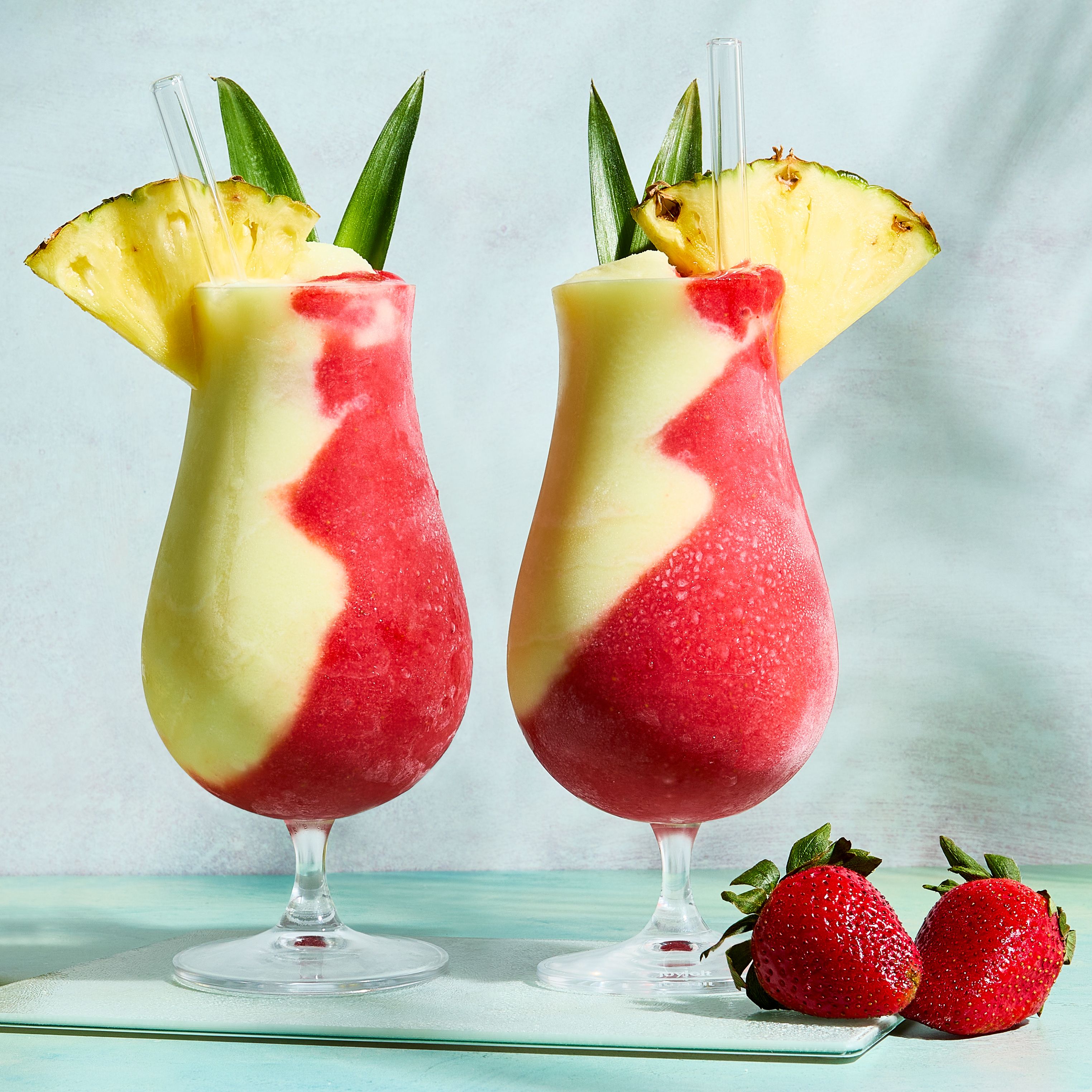
The Piña Colada Foundation
The base of the drink relies on the richness of coconut cream and the acidity of pineapple juice. When blended with white rum and an abundance of crushed ice, this layer provides a silky, luxurious texture. In the heat of the Sunshine State, this component acts as the cooling agent, balancing the bite of the alcohol with the sweetness of tropical fruit.
The Strawberry Daiquiri Crest
The top layer provides the contrast. Using fresh strawberries, white rum, and lime juice, this component is intentionally tart and vibrant. The key to a successful Miami Vice is ensuring that this strawberry layer maintains a slightly higher density or a more viscous consistency, allowing it to sit elegantly atop the coconut base without immediate emulsification.
Essential Ingredients and Preparation Techniques
Achieving the perfect pour is a skill honed in the bustling bars of Ocean Drive. Professionals emphasize the importance of temperature control and ingredient ratios to prevent a melted, watery mess.
Selecting the Right Spirits
While top-shelf liquors are often preferred for sipping, the Miami Vice thrives on a solid, reliable white rum. The spirit needs to be clean enough to let the fruit flavors shine through but robust enough to hold its own against the sugary syrups. Many bartenders in Miami Beach opt for aged white rums to add a hint of vanilla complexity that complements the coconut base.
Mastering the Frozen Consistency
The biggest mistake home bartenders make is failing to achieve the correct ice texture. The goal is a “slushy” consistency, not a liquid one.
- Use High-Quality Ice: Clear, filtered ice creates a cleaner flavor profile.
- Pre-Chill Your Glassware: A chilled glass keeps the frozen layers intact for longer, preserving the aesthetic of the “vice” for as long as possible.
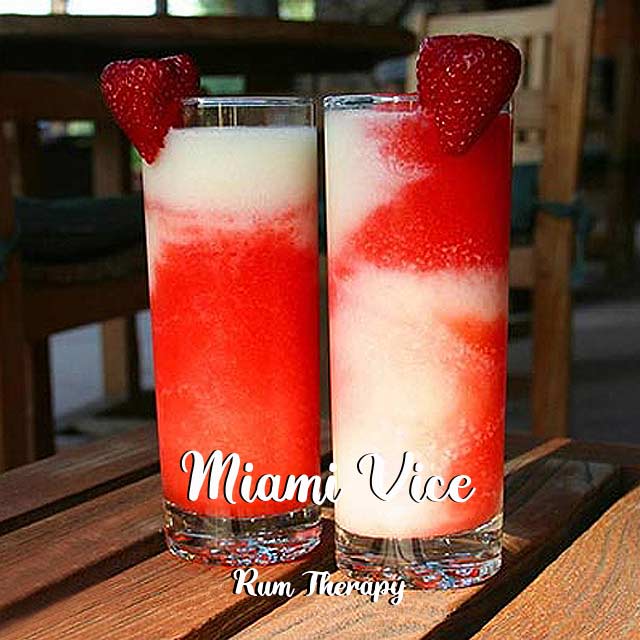
- The Pouring Technique: The secret to the visual appeal is the layered effect. Start by pouring the Piña Colada mix into the glass, then gently pour the Strawberry Daiquiri mix over the back of a spoon. This technique breaks the flow and allows the two colors to kiss at the center without fully blending into a murky pink hue.
Cultural Context and the Spirit of Miami
The drink is inseparable from the vibrant, high-octane lifestyle of Florida. It represents the intersection of luxury and leisure, a theme that permeates everything from the art deco architecture of Collins Avenue to the exclusivity of waterfront resorts like the Fontainebleau Miami Beach.
The Influence of 1980s Aesthetic
The name itself pays homage to the legendary television show that put the city on the global map. The bold, contrasting colors of the drink—white and red—mimic the vibrant color palettes and neon lights that define the city’s visual identity. Serving this drink is, in effect, serving a piece of history that continues to influence local hospitality standards.
Serving Suggestions for the Ultimate Experience
To truly elevate the experience, one must consider the presentation. In the upscale lounges surrounding Biscayne Bay, the drink is never served plain.
- Garnish with Purpose: A pineapple wedge and a fresh strawberry are mandatory. They signal the ingredients within and add a tactile element to the drink.
- The Vessel Matters: A classic hurricane glass is the traditional choice, as its curvature helps hold the two layers in their distinct positions, preventing the drink from collapsing as it begins to thaw.
- Environment: The Miami Vice is a drink designed for the outdoors. Whether you are lounging by a pool or taking in the sunset views from a high-rise balcony, the environment is just as crucial as the recipe itself.
Modern Interpretations and Variations
While the classic recipe remains the gold standard, the cocktail scene in Little Havana and beyond has begun to experiment with the format. These variations maintain the spirit of the original while introducing sophisticated nuances that cater to the modern palate.
Adding a Tropical Twist
Some contemporary mixologists have begun incorporating ingredients like coconut milk foam or house-made strawberry shrub to create a more refined flavor profile. Others replace the traditional white rum with aged rums or even a splash of mezcal to add a smoky undertone that cuts through the intense sweetness of the fruit.

The Mocktail Movement
As the demand for lower-ABV options grows, many establishments now offer “Virgin Vice” versions. By utilizing high-quality coconut cream and fresh strawberry purées, the flavor integrity remains intact even without the alcohol. This inclusivity ensures that the Miami Vice remains a staple at beachside events and family-friendly gatherings across the region.
Ultimately, crafting a Miami Vice is an act of celebration. It is a drink that demands attention, invites conversation, and provides a sensory escape. Whether you are a seasoned bartender in the heart of Downtown Miami or a weekend enthusiast looking to capture the essence of a tropical getaway, the process remains the same: balance the cream, respect the fruit, and embrace the vibrant, layered beauty of one of the world’s most recognizable cocktails. It is a testament to the fact that, in Florida, the best things in life are often found in the most beautiful, indulgent combinations.
LifeOutOfTheBox is a participant in the Amazon Services LLC Associates Program, an affiliate advertising program designed to provide a means for sites to earn advertising fees by advertising and linking to Amazon.com. Amazon, the Amazon logo, AmazonSupply, and the AmazonSupply logo are trademarks of Amazon.com, Inc. or its affiliates. As an Amazon Associate we earn affiliate commissions from qualifying purchases.