
The allure of Miami is defined by its vibrant coastline, turquoise waters, and an architectural skyline that seems to emerge directly from the Atlantic Ocean. For the millions of travelers who flock to this iconic metropolis every year, the city represents the pinnacle of tropical indulgence. Yet, as the climate landscape shifts globally, a persistent question haunts the conversations of urban planners, residents, and curious tourists alike: Is Miami truly below sea level? To understand the reality of this destination, one must look past the pristine sands of South Beach and delve into the unique geological composition of South Florida.
The Geological Reality of South Florida
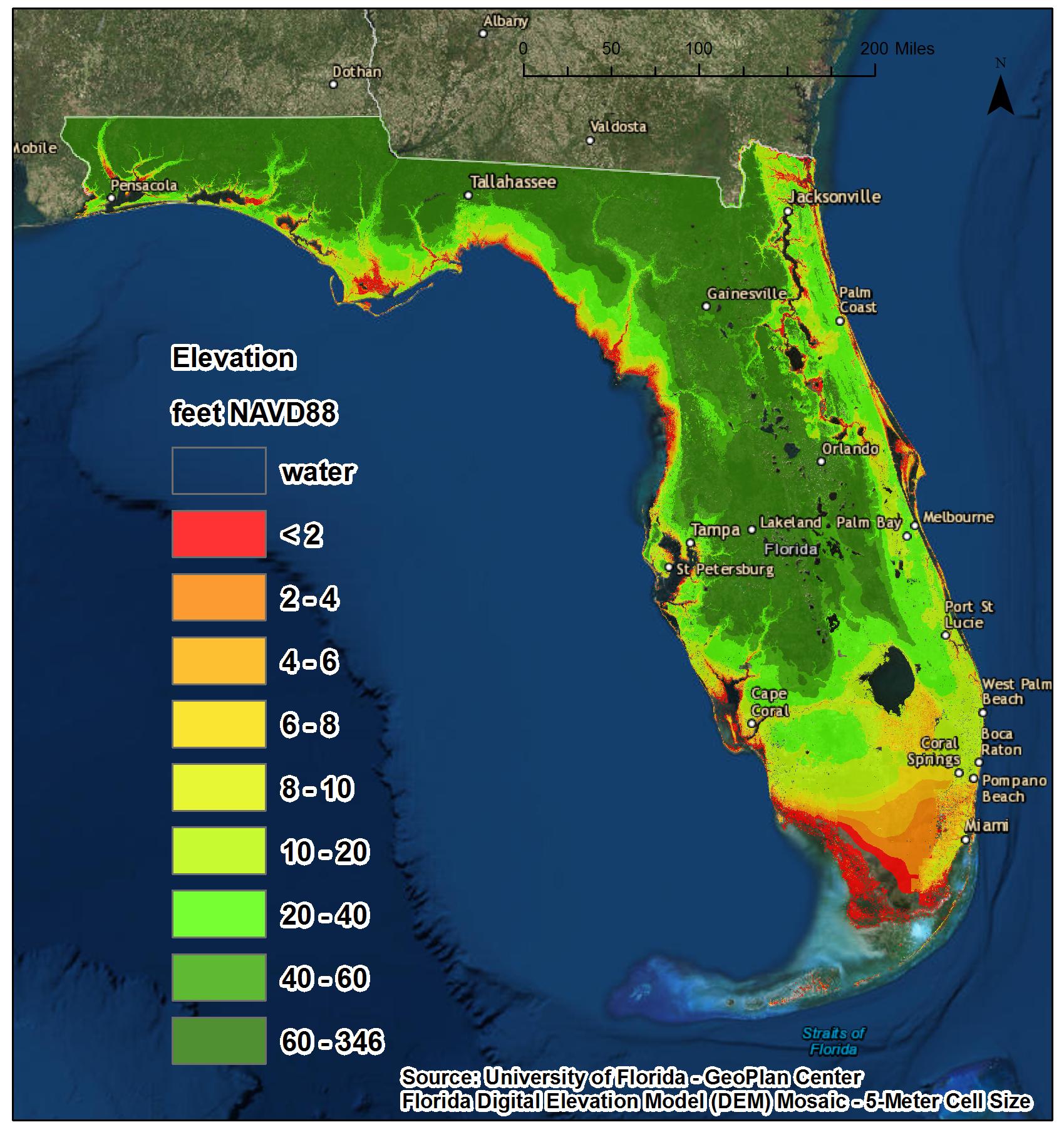
While many assume that Miami sits at or below sea level, the reality is more nuanced. Much of the city rests on a porous foundation of limestone, specifically the Oolite formation. Unlike the dense bedrock found in other major coastal cities, this limestone is riddled with tiny holes, functioning much like a natural sponge.
Elevation Statistics
Most of the metropolitan area sits at an average elevation of approximately six feet above sea level. However, this average is deceiving. Significant portions of the city, particularly the coastal areas bordering Biscayne Bay, are mere inches or a few feet above the waterline. The highest natural point in the city, known as the Miami Rock Ridge, reaches roughly 20 to 25 feet, providing a subtle but vital buffer against the elements.
The Porous Foundation Challenge
The primary concern for Miami is not necessarily that it is currently below sea level, but that it is fundamentally “leaky.” Because the ground is made of limestone, building seawalls—a common solution in other regions—proves ineffective. Water can simply flow underneath the walls through the porous rock, causing flooding from the ground up during extreme high tides. This phenomenon, known as “sunny day flooding,” is a reminder of the delicate balance between the urban environment and the Atlantic Ocean.
Navigating the Future of Coastal Tourism
The geographic position of Miami does not diminish its status as a world-class travel destination. Instead, it has sparked a massive wave of innovation in urban development and infrastructure. For those planning a visit to Florida, it is helpful to understand how the city is adapting to preserve its iconic charm.
Infrastructure and Urban Planning
The city has embarked on an ambitious multi-billion dollar effort to elevate roadways, install massive pump stations, and reinforce the drainage systems throughout districts like Downtown Miami and Brickell. These projects are designed to ensure that the quintessential Miami experience—from dining in the Design District to strolling through Wynwood Walls—remains seamless for decades to come.

Sustainable Travel and Preservation
Tourism remains the lifeblood of Miami. As travelers become more environmentally conscious, many are looking for ways to engage with the city sustainably. Protecting the Everglades National Park, which acts as a natural water filter and buffer for the region, has become a top priority. Visitors are encouraged to support eco-tourism initiatives that emphasize the preservation of the unique Florida Keys ecosystem, ensuring that the natural beauty surrounding the city continues to thrive.
Visiting Miami: What Travelers Need to Know
For the average visitor, the question of elevation is largely theoretical. The city’s infrastructure is highly sophisticated, and the tourist experience is expertly managed. Whether you are staying at a luxury resort in Bal Harbour or exploring the vibrant culture of Little Havana, you will find that the city functions with remarkable efficiency.
Choosing the Right Neighborhood
While all of Miami remains accessible, geography enthusiasts might find interest in the varying elevations across the city.
- Coastal Districts: Areas like Miami Beach offer direct access to the sea but are at lower elevations. These areas feature extensive, world-class beach nourishment programs to maintain their coastlines.
- Inland Neighborhoods: Regions like Coral Gables and Coconut Grove tend to have slightly higher elevations and offer a lush, canopy-covered aesthetic that differs from the coastal high-rises.
Best Times to Visit
Understanding the seasons is key to a comfortable trip. While Miami offers sunshine year-round, the late summer and early autumn months coincide with the peak of the hurricane season. During this time, the city’s flood mitigation systems are at their most tested. Travelers looking for the most stable weather and the most pleasant atmosphere often opt for the months between November and April, when the climate is dry, breezy, and the Atlantic Ocean is relatively calm.

The Resilience of a Global Icon
Miami is not “below” sea level in the sense of being a sunken city, but it is undoubtedly a coastal environment that requires constant attention. Its identity is tied to the water, and its future is being written through engineering ingenuity and a commitment to preservation.
The charm of Miami lies in its ability to reinvent itself. From its roots as a small trading post to its current status as a global hub for art, finance, and culture, it has always been a city of ambition. As it faces the challenges of the 21st century, it continues to welcome millions of visitors who come to witness its unique blend of tropical flair and urban sophistication.
Ultimately, for the traveler, the elevation of the city is secondary to the experience it provides. Whether you are visiting the historic Vizcaya Museum and Gardens or catching a professional sports game, Miami remains a testament to human resilience and beauty. As long as the city continues to invest in its infrastructure and protect its natural boundaries, it will remain a cornerstone of United States tourism, standing tall against the tides, vibrant and full of life, just as it always has.
When you plan your next trip, you can do so with confidence, knowing that behind the curtain of every luxury hotel and bustling boulevard, there is a dedicated effort to ensure that Miami remains a place where the sun, the sand, and the city lights converge in perfect harmony.
LifeOutOfTheBox is a participant in the Amazon Services LLC Associates Program, an affiliate advertising program designed to provide a means for sites to earn advertising fees by advertising and linking to Amazon.com. Amazon, the Amazon logo, AmazonSupply, and the AmazonSupply logo are trademarks of Amazon.com, Inc. or its affiliates. As an Amazon Associate we earn affiliate commissions from qualifying purchases.