
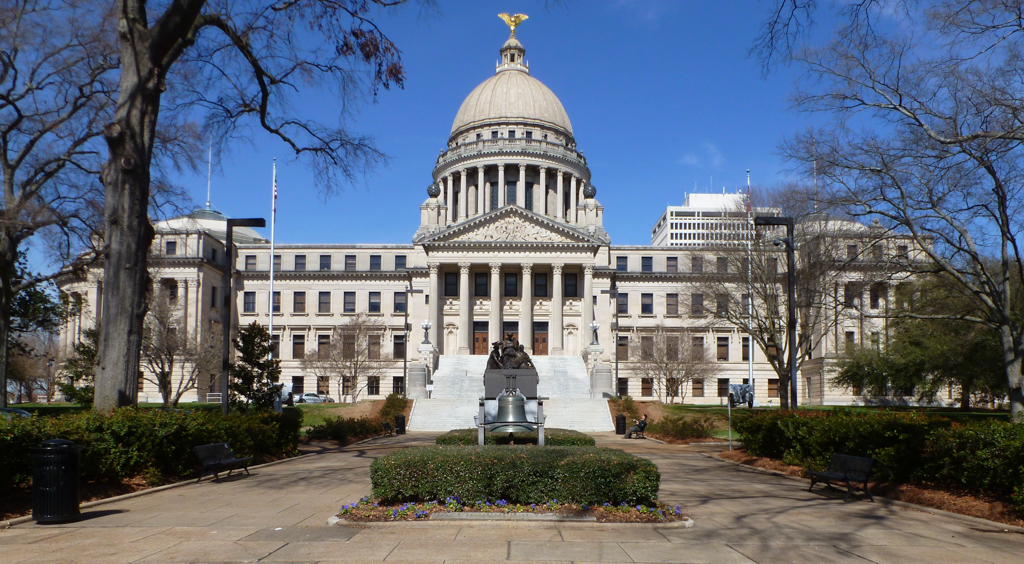
The Mississippi State Capitol, located in the heart of Jackson, stands as a monumental testament to the architectural ambition and political history of the American South. Often referred to by locals and historians alike as the “New Capitol,” this Beaux-Arts masterpiece has served as the seat of state government since its completion in 1903. For visitors interested in the intersection of government, history, and classical design, this landmark is perhaps the most significant structural achievement in Mississippi.
The Architectural Heritage and Significance
The architecture of the Mississippi State Capitol is a brilliant example of the “City Beautiful” movement that flourished in the United States during the late 19th and early 20th centuries. Designed by the architectural firm of Theo C. Link of St. Louis, the building was intended to reflect the dignity and permanence of the state’s legislative functions.

Design Elements and Materials
Constructed of limestone and concrete, the structure is crowned by a magnificent dome that rises 180 feet above the ground. The exterior features a series of grand columns and intricate stonework that echo the classical traditions of ancient Rome and Greece. Inside, the rotunda is a study in elegance, utilizing stained glass and marble sourced from across the globe, including fine marble from Italy and Vermont. The centerpiece of the interior is the central dome, which features Tiffany-style glass windows that bathe the rotunda in a soft, natural light during the day.
Historic Preservation
The building was placed on the National Register of Historic Places in 1969, a recognition of its architectural importance. Extensive renovations throughout the decades have ensured that the original craftsmanship remains intact, allowing modern visitors to witness the same level of grandeur that greeted legislators in the early 1900s. The site remains a functional administrative center, yet it welcomes tourists from all over North America to explore its storied corridors and public galleries.
Legislative Life and Political History
Beyond its physical beauty, the Mississippi State Capitol is the site where the laws governing Mississippi are debated and enacted. It houses the Mississippi State Senate and the Mississippi House of Representatives, forming the bedrock of the state’s democratic processes.
The Legislative Chambers
The chambers themselves are marvels of functional design. The House of Representatives chamber is particularly notable for its rich mahogany woodwork and the original desks that have been preserved for over a century. Walking through these halls, one gets a palpable sense of the debates that have shaped the state—from the early 20th-century agrarian policies to the landmark civil rights legislation of the mid-1900s.
Witnessing Democracy in Action
Public access is a core feature of the Capitol experience. During legislative sessions, citizens and tourists are invited to watch the proceedings from the gallery. This transparency is a cornerstone of the state’s civic identity. Visitors often find that observing the legislative process provides a deeper appreciation for the complex history of the United States political system and the specific challenges faced by the state.
Visiting the Capitol Grounds and Beyond
Located on a prominent hill overlooking the city of Jackson, the Mississippi State Capitol serves as the anchor for the surrounding Capitol complex. The grounds are meticulously landscaped and feature several significant memorials and statues that provide additional context for the state’s historical narrative.
Essential Landmarks on the Grounds
The grounds are home to the Old Capitol Museum, which served as the seat of government before the current building was completed. Together, these two landmarks provide a comprehensive timeline of the state’s history. Walking from the new building to the old allows visitors to contrast the Greek Revival style of the 1839 Old Capitol with the Beaux-Arts complexity of the 1903 structure.
Tourist Experience and Practical Tips
For those planning a visit, the Capitol offers guided tours that are highly recommended. These tours cover:
- The history of the dome and its Tiffany glass.
- The symbolism behind the various murals and sculptures.
- The role of the Governor’s office and how state policy is crafted.
The building is located within easy reach of other Jackson landmarks, such as the Mississippi Civil Rights Museum and the Mississippi Museum of Art. A visit to the Capitol is best paired with these institutions to gain a full picture of the state’s culture and societal evolution.
Cultural Symbolism and Future Outlook
The Mississippi State Capitol is more than just a stone monument; it is a symbol of the aspirations of the people of Mississippi. Throughout its history, it has been the site of protests, celebrations, and solemn moments of mourning. It reflects the diverse and often tumultuous history of the South, serving as a silent witness to the changes in civil rights, economic development, and social justice.
Architectural Legacy
As an architectural landmark, the Capitol ensures that the city of Jackson retains a distinct visual character. The golden eagle atop the dome—a iconic gilded statue—is a focal point that can be seen from miles away, signaling the prominence of the building as the state’s primary landmark.

A Destination for Education
Increasingly, the Capitol is viewed as an educational resource. School groups from all over Mississippi and beyond make the pilgrimage to the building to learn about the branches of government. By preserving this space, the state provides a bridge between its past and its future, ensuring that future generations understand the weight of their democratic responsibilities.
Whether you are an architecture enthusiast, a history buff, or a curious traveler exploring the American South, the Mississippi State Capitol offers an experience that is both intellectually stimulating and visually breathtaking. It remains a must-visit location for anyone wishing to understand the pulse of Mississippi. By keeping its doors open to the public, the Capitol continues to serve as the heart of the state’s civic life, inviting all who enter to consider their role in the ongoing story of this historic region. From the exquisite stained glass rotunda to the solemn, quiet hallways of the senate chamber, the Capitol stands as a testament to the pursuit of a “more perfect union,” etched in granite and marble for all time.
LifeOutOfTheBox is a participant in the Amazon Services LLC Associates Program, an affiliate advertising program designed to provide a means for sites to earn advertising fees by advertising and linking to Amazon.com. Amazon, the Amazon logo, AmazonSupply, and the AmazonSupply logo are trademarks of Amazon.com, Inc. or its affiliates. As an Amazon Associate we earn affiliate commissions from qualifying purchases.