
Traveling between the bustling urban corridors of the Northeast and the serene, rolling landscapes of the Southeast is a journey that many embark on throughout the year. Understanding the distance between New York City and North Carolina is essential for anyone planning a transition between these two distinct American cultural hubs. Whether you are seeking a weekend escape from the concrete jungle or planning an extended road trip down the Atlantic seaboard, the journey offers a fascinating look at the changing topography of the United States.
Calculating the Geographic Span
The distance between New York City and the various regions of North Carolina can vary significantly based on your specific destination. Because the state of North Carolina stretches from the rugged peaks of the Appalachian Mountains in the west to the tranquil shores of the Atlantic Ocean in the east, “how far” depends entirely on your target city.
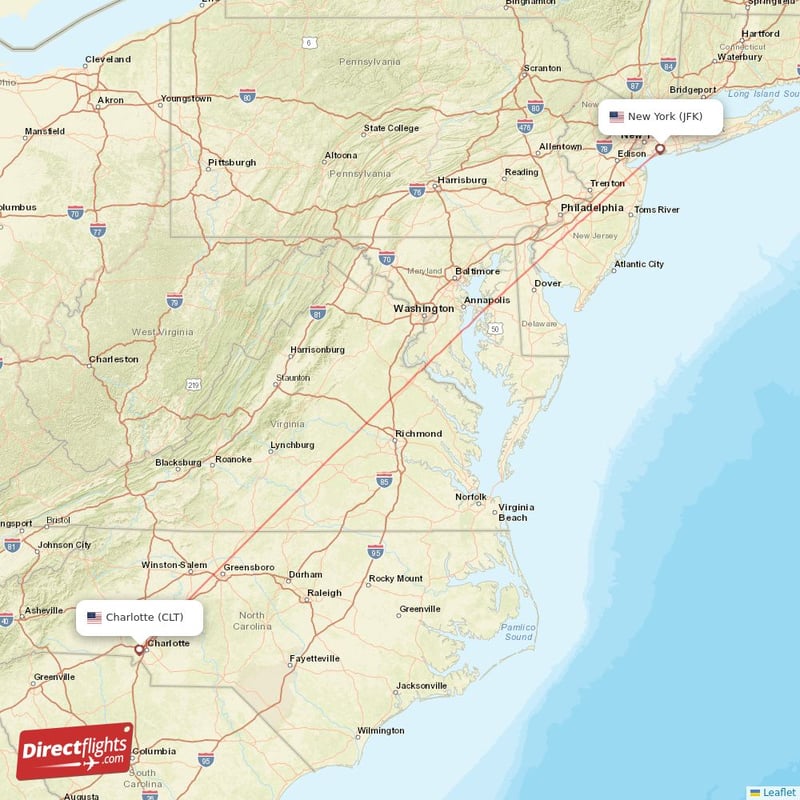
Distance to Major Urban Centers
If you are driving from Manhattan to Raleigh, the capital city, you are looking at a drive of approximately 500 miles. This journey typically takes between eight and nine hours, depending on traffic patterns through states like New Jersey, Delaware, Maryland, and Virginia.
If your destination is Charlotte, the state’s largest metropolitan hub, the distance increases to roughly 630 miles. This route typically adds another two hours to your travel time, pushing the drive into the ten-to-eleven-hour range. For those heading to the scenic coastline of Wilmington, expect a journey of about 600 miles.
Aerial Perspectives
For travelers who prefer efficiency over the scenic route, flying is the most popular mode of transport. A direct flight from John F. Kennedy International Airport or LaGuardia Airport to Charlotte Douglas International Airport usually takes between one hour and forty-five minutes to two hours in the air. This rapid transit makes North Carolina a highly accessible getaway for those based in the Big Apple.
Navigating the Primary Travel Corridors
The primary artery connecting these two regions is Interstate 95. This massive highway system serves as the backbone of East Coast travel. While the route is direct, it is notorious for congestion, particularly as you pass through metropolitan areas like Philadelphia, Baltimore, and Washington D.C..
Strategic Stops Along the Way
Turning the drive into a curated travel experience is the best way to manage the distance. Stopping in Richmond, Virginia, allows travelers to break up the monotonous highway stretches with a dose of history and southern hospitality. The city offers a unique blend of Civil War history and modern culinary innovation, making it an ideal midpoint stop.
Another popular stop is Philadelphia. Located just a few hours south of New York City, it provides a perfect opportunity to stretch your legs, visit the Liberty Bell, and enjoy a quick meal before pressing on toward the Mason-Dixon Line.

Traffic Management Tips
To minimize frustration on the road, timing is everything. Leaving New York City at the crack of dawn—or even late in the evening—can help you bypass the worst of the commuter traffic near Newark and Washington D.C.. Using real-time navigation apps is standard practice, as accidents and construction on Interstate 95 can add hours to your estimated arrival time without warning.
Alternative Travel Modes: Rail and Bus
For those who prefer not to drive, the Amtrak network provides a comfortable and reliable alternative. The Northeast Regional train line connects New York City directly to several major stops in North Carolina, including Durham and Raleigh.
The Rail Experience
Taking the train allows passengers to reclaim their time. Instead of gripping a steering wheel, travelers can work, read, or simply admire the changing scenery from the comfort of a spacious seat. The journey offers a more relaxed pace, avoiding the stressors of airport security lines and highway tolls. Furthermore, traveling by train allows you to experience the transition of the landscape in a way that driving simply does not, as the tracks hug the coast and weave through historic towns often bypassed by the interstate system.
Bus Travel Considerations
For budget-conscious travelers, various bus lines offer frequent service between New York City and North Carolina. While these options are generally the most affordable, they also require the longest travel time due to frequent stops and potential highway delays. If you choose this route, prioritize companies that offer Wi-Fi and power outlets to ensure your transit remains productive.
Planning Your Seasonal Departure
The distance remains the same regardless of the calendar, but the travel experience is heavily influenced by the seasons. Understanding how climate impacts your journey can help you decide when to make the trek.
Spring and Autumn
Spring and Autumn are widely considered the best times to travel between New York City and North Carolina. During these months, the temperatures are moderate, and the foliage along the highways of Virginia and Maryland is breathtaking. Autumn, in particular, offers a brilliant display of color that can turn a standard road trip into a scenic adventure.

Summer and Winter Challenges
Summer travel is characterized by heavy beach-bound traffic and intense humidity. If you are planning a trip during July or August, be prepared for heavier volume on roads leading toward the Outer Banks or other coastal retreats.
Winter travel requires a different kind of preparation. While North Carolina generally enjoys a milder climate than New York City, the mountainous regions near Asheville can experience significant snowfall and icy road conditions. If you are heading into the higher elevations, ensure your vehicle is equipped for winter weather and stay informed about road closures in the Blue Ridge Mountains.
Regardless of the method or season you choose, the trip from the northern metropolitan heart of the United States to the southern charm of North Carolina is a classic American journey. By planning ahead and understanding the logistical landscape, you can ensure that the transition between these two iconic states is as seamless as the final destination is rewarding.
LifeOutOfTheBox is a participant in the Amazon Services LLC Associates Program, an affiliate advertising program designed to provide a means for sites to earn advertising fees by advertising and linking to Amazon.com. Amazon, the Amazon logo, AmazonSupply, and the AmazonSupply logo are trademarks of Amazon.com, Inc. or its affiliates. As an Amazon Associate we earn affiliate commissions from qualifying purchases.